

Ross Downing GMC of Gonzales

Blog

All Gonzales GMC Dealer Gonzales GMC Service Ross Downing GMC of Gonzales Service

What Gonzales Drivers Should Know About GMC Engine Recalls And Warranty Coverage In 2026

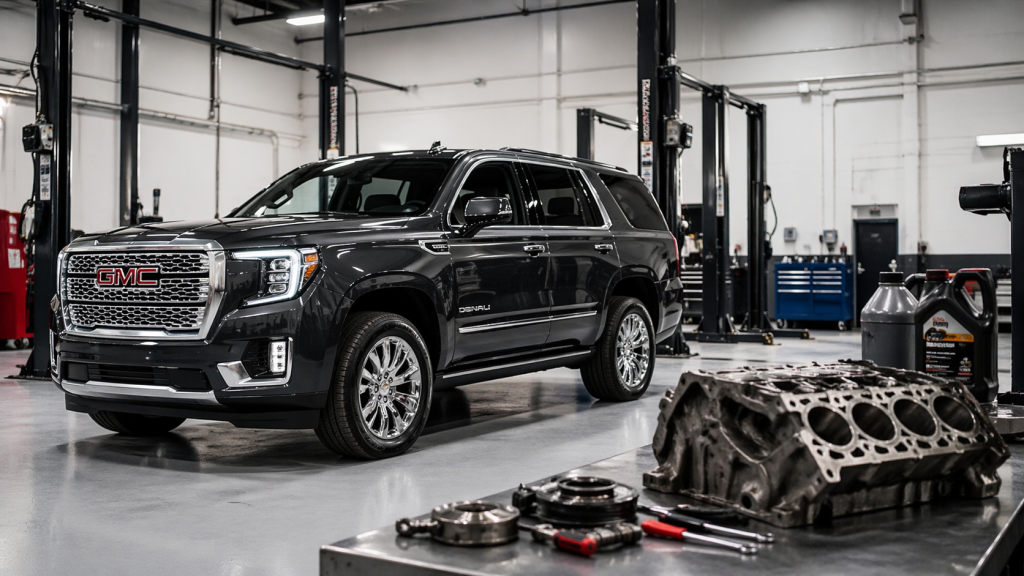
GMC trucks are built to deliver strength, durability, and long term confidence, but even well engineered systems can require attention when issues are identified at a broader level. For many drivers in Gonzales, hearing about an engine recall or questioning warranty coverage creates uncertainty about what it means for their vehicle and what happens next. These concerns are not just about the engine itself. They are about understanding how manufacturers identify issues, how service is handled, and who is responsible for the repair. When recall and warranty processes are clearly understood, ownership becomes more predictable and far less stressful. How GMC Engine Recalls Are Identified And What They Mean Many drivers ask what a GMC engine recall actually is and whether it means something is wrong with their specific vehicle. A recall is a manufacturer issued action that addresses a defect related to safety or performance that has been identified across a group of vehicles. In a GMC Sierra, this process begins when data from vehicles in use reveals a pattern that indicates a potential issue. Engineers analyze this information to determine whether the concern is related to a component, system design, or manufacturing process. Once a recall is issued, it applies to vehicles that share the same condition. more Recalls are based on identified defects, not routine wear The issue must meet specific safety or performance criteria Not every vehicle experiences the issue, but all affected vehicles are included This distinction matters because a recall does not mean a vehicle is failing. It means the manufacturer is addressing a known condition before it becomes a larger problem. How Warranty Coverage Applies To Engine Issues Drivers often want to know whether engine repairs are covered under GMC warranty and how that differs from a recall. Warranty coverage applies to defects in materials or workmanship within a defined time and mileage period. In a GMC Sierra engine system, warranty coverage is evaluated based on how the issue occurred. If a component fails due to a defect, the repair is typically covered. If the issue is related to wear, maintenance, or external factors, it may not be included. The key difference between recall and warranty lies in responsibility. Recalls are fully covered regardless of vehicle age or mileage Warranty coverage is limited by time and mileage terms Both apply to defects, but under different conditions Understanding this difference helps clarify whether a repair will be covered and why. What Happens During A GMC Recall Service Visit A common concern is what actually happens during a recall repair and how the process works. A recall service visit follows a structured approach designed to confirm the condition and apply the correct solution. At a GMC dealership, technicians begin by verifying that the vehicle is included in the recall. This ensures the correct procedure is followed. Next, the affected system is inspected to confirm the presence of the condition. Depending on the recall, this may involve updating software, replacing a component, or addressing a specific part of the engine system. Verification confirms the vehicle is part of the recall Inspection ensures the correct condition is identified Repair or update resolves the issue based on manufacturer guidance This process is designed to be precise, ensuring the issue is addressed correctly rather than broadly assumed. When Engine Repair Or Replacement Is Required Drivers often ask whether an engine will be replaced under a recall or warranty and what determines that outcome. Engine repair or replacement depends on the severity and location of the issue within the system. In a GMC Sierra, if a defect affects a specific component, the repair may involve replacing only that part. If the issue impacts the engine more broadly or cannot be isolated to a single component, replacement may be required. Component level issues are typically repaired rather than replaced System wide defects may lead to engine replacement Decisions are based on diagnostic findings and manufacturer guidelines This approach ensures that the solution matches the scope of the issue rather than applying unnecessary repairs. How To Navigate Recalls And Warranty With Confidence For many drivers, the challenge is not just understanding recalls and warranty coverage but knowing how to respond when a situation arises. The key is to approach these processes with clarity rather than uncertainty. Drivers can begin by checking whether their vehicle is affected by a recall using official manufacturer resources. If a recall is present, scheduling service ensures the issue is addressed promptly. Understanding warranty coverage allows drivers to anticipate what is included and what falls outside of that protection. Check recall status using manufacturer or dealership tools Schedule service promptly if a recall is identified Review warranty terms to understand coverage boundaries For GMC owners in Gonzales, this approach turns what can feel like a complex situation into a clear and manageable process. When the system is understood, decisions become easier and confidence in ownership remains intact.

GMC Yukon Vs Yukon XL Which SUV Fits Growing Louisiana Families In 2026

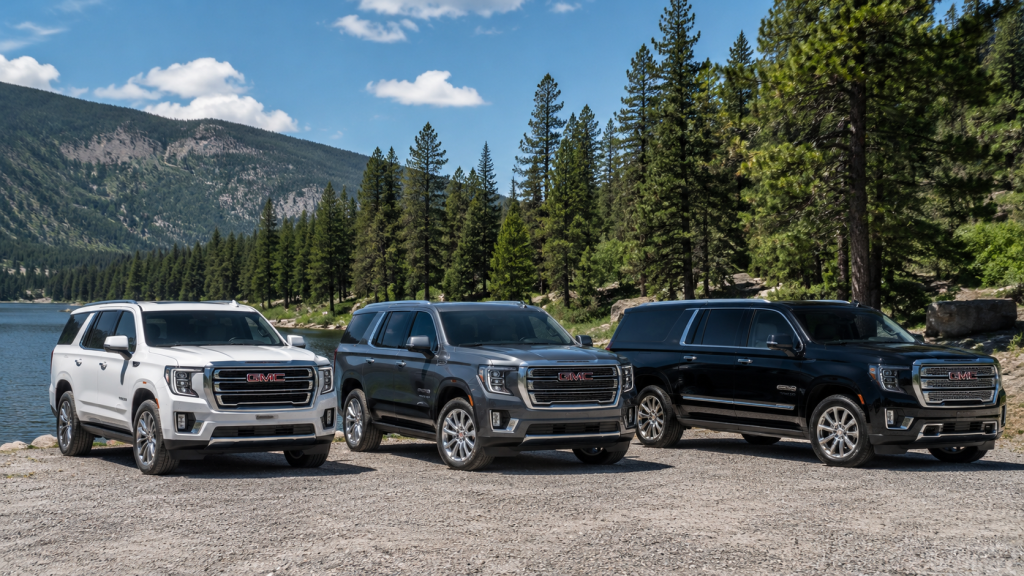
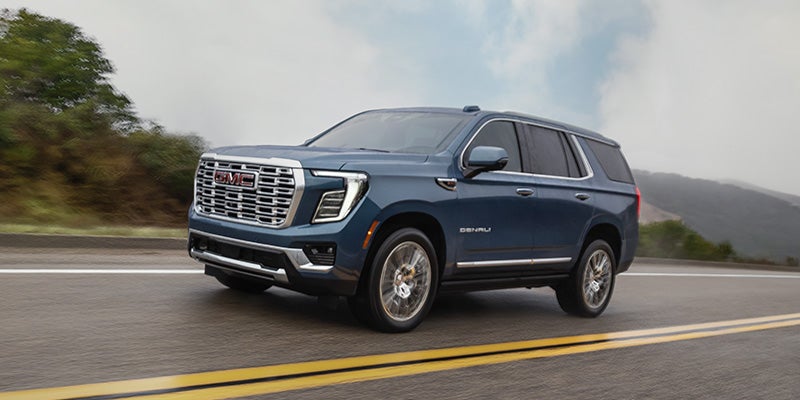
GMC designs its full size SUVs to support how families move, not just where they go. The GMC Yukon and Yukon XL share the same foundation, the same capability, and the same design language, yet they are built to solve different problems. For growing Louisiana families, the decision is not simply about choosing the larger vehicle. It is about understanding how space, structure, and daily usability change between the two. The difference between Yukon and Yukon XL is not about features. It is about how those features are experienced when passengers, cargo, and real routines come into play. How Yukon And Yukon XL Are Built On The Same Platform With Different Dimensions Many drivers ask what the difference is between the GMC Yukon and Yukon XL. The difference is defined by length and wheelbase, which directly influence how space is distributed throughout the vehicle. Both the Yukon and Yukon XL are built on the same underlying platform. This means they share powertrains, technology, and core engineering. The Yukon XL extends that platform by increasing the wheelbase and overall length, which changes how interior space is allocated. In a GMC Yukon, the shorter wheelbase creates a more compact footprint. In the Yukon XL, the extended structure increases distance between the axles, allowing more room behind the third row and additional passenger space. more Yukon uses a shorter wheelbase for a more compact overall size Yukon XL extends the wheelbase to increase interior volume Both maintain the same core systems and capability This structural difference matters because it determines how usable the interior space becomes when the vehicle is fully occupied. How Length And Wheelbase Change Third Row Space Families often want to know which GMC SUV offers more usable third row space. Third row space refers to the amount of legroom, headroom, and seating comfort available for passengers in the rear most seats. In the GMC Yukon, the third row is designed to accommodate passengers, but space becomes more limited when the vehicle is fully loaded. The shorter wheelbase means less distance between seating rows. In the GMC Yukon XL, the extended wheelbase increases the spacing between rows. This allows for more legroom and a more natural seating position in the third row. Increased wheelbase creates more legroom for rear passengers Seating positions feel less compressed in the Yukon XL Longer interior layout supports more consistent comfort across all rows For families with older children or frequent third row use, this difference becomes noticeable during longer drives. How Cargo Space Actually Differs In Daily Use Drivers often ask whether the Yukon XL has more cargo space, but the real question is how that space works in everyday situations. Cargo space refers not just to volume, but to usable depth behind the third row. In the GMC Yukon, cargo space behind the third row is more limited. When all seats are occupied, storage must be managed carefully, especially for larger items. In the GMC Yukon XL, the added length significantly increases cargo depth. This allows more room for luggage, sports equipment, or everyday items without needing to fold seats. Yukon XL provides deeper cargo space behind the third row Yukon requires more frequent seat adjustments for larger loads Additional cargo depth improves flexibility for family use This difference becomes important during travel, school activities, and daily routines where both passengers and cargo need to fit at the same time. How Size Impacts Driving And Maneuverability Another concern is whether the larger Yukon XL is harder to drive. Size impacts how a vehicle responds in tight spaces, during parking, and in everyday maneuvering. In the GMC Yukon, the shorter length makes it easier to navigate urban environments, park in smaller spaces, and manage tighter turns. The GMC Yukon XL, while larger, is designed to maintain control and stability. The longer wheelbase provides a more planted feel at higher speeds, but it requires more awareness in confined areas. Shorter length improves maneuverability in tight spaces Longer wheelbase enhances stability on open roads Parking and turning require more space in the Yukon XL For drivers, this means the choice involves balancing ease of movement with the benefits of added space. How To Choose Based On Family Size And Lifestyle Needs Choosing between the GMC Yukon and Yukon XL depends on how your family uses space every day. The decision is not about choosing the larger vehicle by default. It is about choosing the vehicle that aligns with your routine. If your daily driving involves moderate passenger use and occasional cargo needs, the GMC Yukon provides a balanced solution that is easier to manage in tighter environments. If your routine includes full seating, frequent travel, or the need to carry both passengers and cargo at the same time, the GMC Yukon XL offers the additional space required to support that lifestyle. Consider how often the third row will be used Evaluate how much cargo space is needed with all seats occupied Think about driving environments and parking conditions For Louisiana families, where travel, activities, and daily movement vary, this decision becomes clearer when viewed through real use rather than specifications.

When To Replace Your Cabin And Engine Air Filters - What Louisiana Truck Owners Should Watch For

Every GMC truck is built to handle changing conditions with strength and precision. From daily commutes through Gonzales to long drives across Louisiana highways, each system is designed to respond to its environment. Air filters are part of that system, working quietly in the background to protect performance and maintain comfort. Many drivers only think about air filters when they are mentioned during service, yet their role is constant. Understanding how these filters function and when they actually need attention helps bring clarity to maintenance decisions and prevents unnecessary service. How Engine And Cabin Air Filters Work In GMC Trucks Drivers often ask how often they should replace an engine air filter, but that question begins with understanding what the filter does. An engine air filter is designed to prevent dust, debris, and contaminants from entering the engine while allowing clean air to flow through the intake system. In a vehicle like the GMC Sierra, the engine depends on a precise balance of air and fuel to operate efficiently. The air filter ensures that the air entering the combustion process is clean, which supports consistent performance and protects internal components. The cabin air filter serves a different purpose. In a GMC Yukon, the cabin air filter cleans the air that enters the interior through the ventilation system. It removes particles such as dust, pollen, and pollutants before they reach the cabin. more The engine air filter protects combustion efficiency and internal engine components The cabin air filter supports interior air quality and HVAC system performance Both filters rely on unrestricted airflow to function correctly These systems work continuously, meaning their condition directly affects how the vehicle performs and how it feels inside. What Happens When Air Filters Become Restricted Or Dirty Many drivers wonder what actually happens if an air filter is not replaced. As filters collect debris over time, airflow becomes restricted. This restriction changes how the system operates. In the GMC Sierra engine system, reduced airflow limits the amount of oxygen available for combustion. This can lead to reduced efficiency and less responsive acceleration because the engine cannot maintain its ideal air to fuel balance. In the GMC Yukon cabin system, a restricted filter affects how air moves through the ventilation system. This can reduce airflow from vents and impact how effectively the system controls temperature and air quality. Restricted engine airflow can affect combustion efficiency and responsiveness Reduced cabin airflow can impact comfort and air circulation Increased strain on systems can lead to additional wear over time These changes often happen gradually, which is why they are not always immediately noticeable. How Driving Conditions In Louisiana Affect Filter Lifespan Drivers frequently ask how often air filters should be replaced, but the answer depends heavily on where and how the vehicle is driven. In Louisiana, environmental conditions can influence how quickly filters become restricted. Dust, humidity, and airborne particles all contribute to filter buildup. In areas around Gonzales, driving on rural roads, construction zones, or during seasonal changes can increase the amount of debris entering both engine and cabin systems. Humidity also plays a role by causing particles to adhere more easily to filter surfaces, accelerating restriction. Dust and road debris increase filter load over time Humidity can accelerate buildup on filter surfaces Frequent short trips can prevent systems from clearing accumulated particles This means replacement timing is not fixed. It is shaped by real driving conditions rather than a single mileage number. How To Tell When Replacement Is Actually Needed A common concern is whether a filter truly needs to be replaced or if it is being recommended too early. Recognizing the signs of restriction provides clarity. In the GMC Sierra, a dirty engine air filter may lead to reduced responsiveness or a feeling that the engine is working harder than usual. These changes are often subtle but noticeable over time. In the GMC Yukon, a cabin air filter that needs replacement may result in reduced airflow from vents or changes in how the interior air feels. Reduced airflow from vents can indicate cabin filter restriction Decreased responsiveness can suggest limited engine airflow Visible debris on inspection confirms buildup Inspection provides the most reliable answer. Instead of relying only on mileage, evaluating the condition of the filter ensures replacement happens when it is actually needed. How To Follow A Maintenance Rhythm Without Over Servicing Many drivers want to avoid unnecessary service while still maintaining their vehicle properly. The key is to approach air filter replacement as part of a broader maintenance rhythm rather than a fixed schedule. For GMC truck owners, this means combining periodic inspection with an understanding of driving conditions. Filters should be checked regularly and replaced when restriction begins to affect system performance. Align inspections with routine service visits Adjust expectations based on driving environment Focus on condition rather than strict mileage intervals This approach allows maintenance to remain practical and responsive rather than reactive or excessive. For drivers in Louisiana, where conditions can vary, this balance ensures that air filters continue to support performance and comfort without creating unnecessary service decisions.

Gonzales SUV Shopping: What Drivers Look For in Space, Safety & Technology

SUV shopping in Gonzales is driven by comparison. Most buyers are not looking at just one vehicle. They are evaluating multiple options at the same time, trying to understand how differences in space, safety, and technology will impact their daily driving experience. The challenge is not a lack of information. It is understanding how that information applies to real life. Measurements, feature lists, and safety ratings all provide value, but they do not always explain how an SUV will function once it becomes part of a routine. When these factors are evaluated through the lens of everyday use, the decision becomes more clear and more confident. How Interior Space Functions in Real Life Interior space is one of the first things SUV shoppers compare, but raw numbers only tell part of the story. Legroom, headroom, and overall dimensions matter, but how that space is arranged has a greater impact on comfort. Seat positioning plays a key role in how spacious an SUV feels. The angle of the seatback, the height of the seating position, and the distance between rows all contribute to passenger comfort. Two SUVs with similar interior measurements can feel very different depending on how that space is designed. more For families, second-row accessibility and spacing are especially important. Getting in and out of the vehicle, installing car seats, and managing passengers all rely on how easily the interior can be used rather than how large it appears on paper. Front-seat space also matters for daily drivers. Visibility, reach to controls, and overall driving position influence comfort during commutes and longer trips. These elements are often overlooked but play a significant role in how the vehicle feels over time. Understanding how interior space works beyond measurements helps buyers choose an SUV that fits their routine, not just their expectations. How Cargo Space Changes With Use Cargo space is often presented as a single number, but in reality, it changes depending on how the vehicle is configured. This is one of the most important factors for buyers who rely on their SUV for more than just passenger transport. With all seats in place, cargo space is typically limited to smaller items like groceries, bags, or everyday essentials. This setup works well for daily errands but may not support larger loads. Folding the rear seats expands the available space significantly, making room for larger items such as luggage, sports equipment, or home improvement materials. However, this also reduces passenger capacity, which creates a trade-off between space and seating. For families, this balance becomes part of everyday decision-making. A vehicle that can quickly transition between passenger and cargo use provides greater flexibility, especially for road trips or busy schedules. Looking at how cargo space functions in different configurations gives a more accurate understanding of what the SUV can handle. How Safety Systems Operate in Real Driving Conditions Safety is a priority for most SUV shoppers, but many of the systems designed to improve safety are not fully understood. Feature names alone do not explain how these systems behave on the road. Automatic emergency braking, for example, is designed to detect potential collisions and apply braking if the driver does not respond in time. This system works in specific conditions and is most effective at certain speeds, which means understanding its limitations is just as important as knowing it exists. Lane keep assist helps maintain vehicle positioning by making small steering adjustments when the vehicle begins to drift. It is not a replacement for driver control but rather a support system that enhances awareness. Blind zone alerts monitor areas that are difficult to see using mirrors alone. These systems provide visual or audible warnings when another vehicle is detected, helping reduce the risk of lane-change incidents. When buyers understand how these systems function in real scenarios, they can better evaluate which features provide meaningful value for their driving habits. How Technology Impacts Everyday Use Technology has become a central part of the SUV experience, but its value depends on how easily it integrates into daily driving. A long list of features does not always translate to a better experience. Infotainment systems are often the primary interface between driver and vehicle. Screen size, responsiveness, and menu structure all affect how quickly information can be accessed. Systems that are intuitive reduce distraction and improve usability. Smartphone integration, such as Apple CarPlay and Android Auto, allows drivers to connect familiar apps directly to the vehicle. This simplifies navigation, communication, and media control, making the transition between devices seamless. Driver information displays also contribute to the overall experience. Clear, easy-to-read layouts help drivers stay informed without taking attention away from the road. Technology that is designed with usability in mind becomes part of the driving experience rather than a distraction from it. How Different Buyers Approach SUV Decisions SUV shoppers often have different priorities based on how they plan to use the vehicle. Identifying these priorities early helps narrow down the right type of SUV. Smaller households or commuters may focus on efficiency, ease of driving, and compact size. These buyers often prioritize maneuverability and fuel economy over maximum space. Growing families typically need more flexibility. Passenger space, safety features, and cargo adaptability become more important as daily routines become more complex. Drivers who travel frequently or take longer trips may prioritize comfort, seating support, and technology that enhances the driving experience over extended periods. Cargo-focused buyers often look for maximum storage capability and interior flexibility. Their needs are driven by what they carry rather than how many passengers they transport. Each of these approaches leads to a different evaluation process, even when considering similar vehicles. Why Local SUV Shopping Behavior Matters in Gonzales Search behavior shows that many SUV shoppers begin with location-based queries, reflecting a preference for convenience and accessibility. This local focus influences how decisions are made. Access to inventory is one of the most immediate advantages of shopping locally. Being able to see multiple SUVs in person allows buyers to compare space, features, and configurations more effectively than online research alone. Test driving also plays a critical role. Experiencing how an SUV feels on local roads provides insight that cannot be gained through specifications or reviews. Service proximity is another factor that shapes long-term ownership. Routine maintenance and unexpected repairs are easier to manage when the dealership is nearby, reducing disruption to daily schedules. Local dealerships also bring an understanding of regional driving conditions and lifestyle needs. This context helps align vehicle recommendations with how buyers will actually use their SUV. Making a Confident SUV Decision SUV shopping is not about finding the vehicle with the most features. It is about understanding how space, safety, and technology work together to support everyday driving. When buyers evaluate how an SUV fits into their routine, how its features function in real conditions, and how it will be supported over time, the decision becomes more straightforward. The result is an SUV that not only meets expectations but continues to perform in ways that matter long after the purchase.

How Gonzales Truck Shoppers Evaluate Capability, Pricing & Dealer Experience

Truck shopping in Gonzales is rarely a single-decision process. Most buyers move through a comparison phase where capability, pricing, and dealership experience all compete for priority. The challenge is not finding options. It is understanding how those options translate into real-world ownership. This is where many shoppers get stuck. Specs are easy to compare. Outcomes are not. A truck that looks strong on paper may not align with how it will actually be used day to day. A lower price may not represent better value once long-term costs and dealer support are considered. Understanding how to evaluate each of these areas together is what leads to a confident purchase decision. How Capability Translates to Real-World Use Capability is often the first filter in truck shopping, but it is also the most misunderstood. Numbers like towing capacity and payload are important, but they only matter when they align with how the truck will actually be used. Towing capacity reflects how much weight a truck can pull behind it, but real-world towing depends on more than a single number. Trailer type, terrain, and frequency of use all impact how that capacity feels in practice. A buyer towing occasionally on flat roads has very different needs than someone hauling equipment daily. more Payload capacity is equally important, especially for work-focused buyers. This measures how much weight the truck can carry in the bed and cabin combined. Tools, materials, and passengers all count toward that number, which means it directly affects how the truck performs under load. Engine performance ties both of these together. Torque plays a major role in how a truck accelerates with weight, while transmission tuning determines how smoothly that power is delivered. Two trucks with similar horsepower can feel very different depending on how they are engineered to handle load and movement. For many buyers, the right decision comes down to matching capability to actual use rather than choosing the highest available numbers. How Pricing Is Evaluated Across Dealerships Pricing is rarely as straightforward as it appears. Most shoppers begin by comparing listed prices across multiple dealerships, but those numbers do not always reflect the full picture. Vehicle pricing typically starts with MSRP, but dealership pricing can vary based on incentives, market demand, and inventory availability. Discounts, rebates, and financing offers can shift the total cost significantly, which is why two similar trucks may appear differently priced at first glance. Trade-in value is another major factor. Many buyers focus on the price of the new truck without considering how their current vehicle affects the final transaction. A stronger trade-in offer can offset a higher vehicle price, resulting in a better overall deal. Financing also plays a role in how pricing is experienced. Interest rates, loan terms, and monthly payment structures all contribute to the long-term cost of ownership. A lower monthly payment does not always mean a lower total cost. Shoppers who evaluate pricing effectively look beyond the initial number and consider the full transaction structure. What Defines a Strong Dealership Experience Price and capability matter, but dealership experience often determines where buyers ultimately choose to purchase. Trust is built through clarity, consistency, and support throughout the process. Inventory selection is one of the first indicators. A dealership with a wide range of trucks allows shoppers to compare trims, configurations, and features in person rather than relying solely on online research. This makes it easier to understand how different setups feel and function. Transparency is equally important. Clear communication around pricing, incentives, and financing options helps buyers feel confident in their decision. When information is easy to understand, the process becomes more efficient and less stressful. Service support also plays a long-term role. A dealership is not just where the vehicle is purchased. It is where maintenance, repairs, and ongoing support will take place. Buyers often factor in the strength of the service department when deciding where to buy. Reviews and reputation reinforce all of these elements. Consistent positive feedback around customer experience, service quality, and communication provides a clearer picture of what to expect. How Different Buyers Evaluate Trucks Not all truck shoppers are looking for the same outcome. Understanding your primary use case helps narrow down the right combination of capability, pricing, and features. Work-focused buyers prioritize durability and performance under load. Towing capacity, payload strength, and long-term reliability are central to their decision. Interior features matter less than how the truck performs in demanding conditions. Daily drivers often look for balance. Fuel efficiency, ride comfort, and technology features become more important, especially for those using their truck for commuting or family use. Capability still matters, but it is not the only priority. Mixed-use buyers fall somewhere in between. They need a truck that can handle occasional towing or hauling while still being comfortable for everyday driving. Flexibility becomes the key factor in their decision. Each of these buyer types approaches the same vehicles differently, which is why understanding personal use is essential before comparing options. How Ownership Costs Influence the Decision The cost of owning a truck extends beyond the purchase price. Fuel, maintenance, and long-term wear all contribute to the overall investment. Engine size and drivetrain configuration directly affect fuel consumption. Larger engines and four-wheel drive systems provide greater capability but often come with higher fuel costs. For buyers who drive frequently, this can become a significant factor over time. Maintenance requirements also vary based on how the truck is used. Trucks that regularly tow or carry heavy loads may require more frequent servicing. Tire wear, brake maintenance, and suspension components all experience additional strain under these conditions. Insurance costs can differ as well, depending on the truck’s value, configuration, and usage. These ongoing expenses are often overlooked during the initial purchase process but play a role in long-term affordability. Evaluating ownership costs alongside capability and pricing creates a more complete picture of what the truck will require over time. Why Local Shopping Behavior Matters in Gonzales Search behavior shows that many buyers begin with “near me” queries, reflecting a preference for convenience and accessibility. Local dealerships offer advantages that extend beyond proximity. Availability is one of the most immediate benefits. Being able to see and test drive a vehicle without delay helps buyers move through the decision process more efficiently. It also allows for quicker adjustments if a different configuration is needed. Service access is another factor. Routine maintenance and unexpected repairs are easier to manage when the dealership is nearby. This reduces downtime and simplifies scheduling over the life of the vehicle. Local knowledge also plays a role. Dealerships in Gonzales understand the driving conditions, work demands, and lifestyle needs specific to the area. This context helps align recommendations with real-world use rather than generic assumptions. For many buyers, these factors make local purchasing not just convenient, but practical. Making a Confident Truck Decision Truck shopping is not about choosing the highest capability or the lowest price in isolation. It is about understanding how capability, pricing, and dealership experience work together to support long-term ownership. When buyers take the time to evaluate how a truck will actually be used, how pricing is structured, and how a dealership supports them beyond the sale, the decision becomes clearer. The result is not just a better purchase, but a better ownership experience overall.

GMC Terrain vs Acadia: Which SUV Fits Your Daily Driving and Space Needs

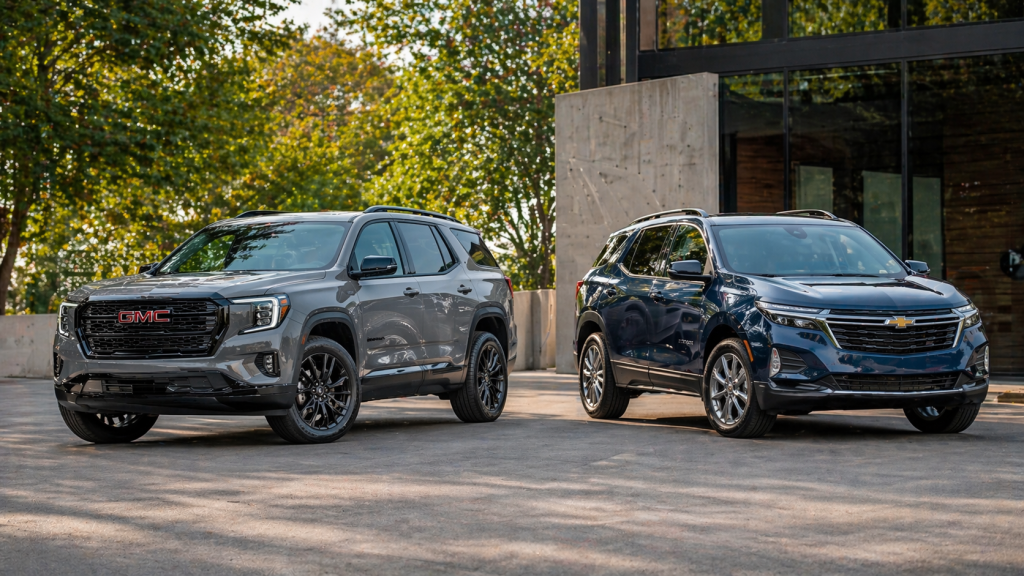
Choosing between the GMC Terrain and GMC Acadia comes down to how size, seating, and capability translate into everyday use. Many shoppers comparing these SUVs are trying to understand what the difference between a compact SUV and a midsize SUV actually means when it comes to commuting, family needs, and long-term ownership. While both models reflect GMC’s focus on practical design and modern technology, the way each vehicle is engineered creates very different outcomes in how they handle daily driving, passenger space, cargo flexibility, and towing capability. This guide breaks down how the GMC Terrain and GMC Acadia differ by explaining how their structure and intended purpose affect real-world driving and ownership decisions. Compact SUV vs Midsize SUV: What Changes in Real Driving Many shoppers ask what the difference between the GMC Terrain and GMC Acadia actually means beyond size. A compact SUV is a smaller two-row vehicle designed for efficient daily driving and easier maneuverability, while a midsize SUV is a larger vehicle that prioritizes passenger capacity and expanded interior space, often with a third row. The GMC Terrain compact SUV uses a shorter overall length and tighter wheelbase, which directly improves turning behavior and parking control. A shorter wheelbase reduces the distance between axles, allowing the GMC Terrain to rotate more easily during low-speed maneuvers such as navigating parking lots or making tight turns. more The GMC Acadia midsize SUV uses a longer wheelbase and larger overall body structure. This increases interior volume but also requires a wider turning arc. The added length changes how the vehicle behaves in confined environments, requiring more space to complete turns and park. For daily driving, this creates a clear distinction. The GMC Terrain daily driving fit favors drivers who regularly navigate tight spaces, while the GMC Acadia daily driving experience prioritizes interior room and stability over compact maneuverability. Passenger Space and Seating Needs Shoppers often ask which GMC SUV is better for families, and the answer depends on how many passengers you need to accommodate on a regular basis. The GMC Terrain seating capacity supports up to five passengers across two rows, while the GMC Acadia three-row seating expands capacity up to eight passengers. The difference is not just in seat count but in how the cabin is arranged. The GMC Terrain interior focuses on maximizing space within a two-row layout, creating a more open cargo area behind the second row. In contrast, the GMC Acadia interior distributes space across three rows, which requires a different balance between passenger seating and cargo storage. From a design standpoint, adding a third row changes how seat spacing and legroom are allocated. The GMC Acadia uses a longer cabin to maintain usable second- and third-row seating positions, while the GMC Terrain concentrates space into fewer rows for a more open rear cargo area. For buyers evaluating family use, consider how seating needs change over time: The GMC Terrain seating layout works well for individuals, couples, or smaller families with occasional rear passenger use The GMC Acadia three-row layout supports larger households, carpooling, and situations where multiple passengers are a regular part of daily driving Choosing between the two comes down to whether you need consistent passenger capacity or prefer a more flexible two-row layout. Cargo Flexibility for Daily Use and Travel Many shoppers compare GMC Terrain cargo space and GMC Acadia cargo space without understanding how differently that space functions. Cargo flexibility depends on whether the vehicle is configured for passengers or storage at any given time. The GMC Terrain cargo space benefits from its two-row design. With no third row in place, the rear cargo area remains open and accessible, allowing larger items to fit without reconfiguring seating. This makes the GMC Terrain well suited for everyday errands, grocery trips, and transporting gear without sacrificing passenger space. The GMC Acadia cargo space offers significantly more total volume, but that capacity is tied to seat configuration. With all three rows in use, cargo space is more limited. As seats are folded, the available cargo area expands, allowing the GMC Acadia to carry larger loads when fewer passengers are present. This creates two distinct use cases: The GMC Terrain cargo setup provides consistent, always-available storage behind the second row The GMC Acadia cargo setup provides maximum flexibility when alternating between passenger transport and larger cargo loads For buyers who regularly carry passengers and cargo together, understanding this tradeoff is critical to choosing the right SUV. Performance, Power, and Towing Differences Another key question is how the GMC Terrain towing capacity compares to the GMC Acadia towing capacity and what that means for real-world use. Towing capacity is the maximum weight a vehicle can pull when properly equipped, and it reflects both engine output and structural design. The GMC Terrain towing capacity reaches up to 1,500 pounds, which aligns with its role as a compact SUV focused on daily driving. This level of capability supports lighter loads such as small utility trailers, bike racks, or compact recreational equipment. The GMC Acadia towing capacity reaches up to 5,000 pounds when properly equipped, reflecting its larger engine output and stronger chassis design. The GMC Acadia engine produces significantly more power, allowing it to handle heavier loads such as small campers, larger trailers, or multiple recreational vehicles. From a mechanical perspective, towing capability depends on how the vehicle manages load forces across the frame and drivetrain. The GMC Acadia’s larger structure distributes those forces more effectively, improving stability and control under heavier loads. For buyers comparing capability, the distinction is clear. The GMC Terrain supports light-duty utility, while the GMC Acadia is designed for more demanding towing scenarios and heavier family-use applications. Which GMC SUV Makes More Sense for Your Driving Routine Many shoppers ultimately want to know whether the GMC Terrain or GMC Acadia is the better choice for their lifestyle. The answer depends on how often space, passenger capacity, and capability are needed versus how important daily driving convenience is. The GMC Terrain is the right fit for drivers who prioritize: Easier maneuverability in parking lots and urban environments A consistent cargo area without needing to reconfigure seating A right-sized SUV for commuting and smaller households The GMC Acadia is the better fit for drivers who need: Three-row seating for larger families or frequent passengers Greater cargo capacity when seats are folded for travel or gear Stronger towing capability for recreational or utility use Understanding how each SUV is engineered for different types of use is the key to making the right decision. The GMC Terrain delivers efficiency and simplicity for everyday driving, while the GMC Acadia provides the space and capability needed for expanding families and more demanding workloads.

GMC Yukon vs Yukon XL: Space, Towing & Family Features Compared

Choosing between the GMC Yukon and GMC Yukon XL comes down to how size translates into real-world use. Many shoppers comparing these full size SUVs are trying to understand what the added length of the GMC Yukon XL actually changes in terms of passenger space, cargo usability, and towing behavior. While both models share the same engines, technology, and overall design, differences in wheelbase and overall length directly affect how each vehicle performs on the road and how it supports everyday driving. This guide breaks down how the GMC Yukon and GMC Yukon XL differ by explaining how their underlying structure influences comfort, storage, and capability. Wheelbase and Size Differences Explained Many shoppers ask what the difference between the GMC Yukon and GMC Yukon XL actually means in real-world driving. The key difference is wheelbase, which is the distance between the front and rear axles. The GMC Yukon uses a shorter wheelbase, while the GMC Yukon XL extends that distance to create a longer overall frame. This change affects both ride quality and how interior space is distributed. more From a mechanical standpoint, a longer wheelbase allows the GMC Yukon XL to absorb road imperfections more gradually. Because the front and rear wheels encounter bumps at a greater distance apart, the vehicle experiences less abrupt vertical movement. This results in a smoother, more stable ride on highways and long-distance drives. For shoppers comparing the two, the GMC Yukon feels easier to manage in tighter spaces, while the GMC Yukon XL prioritizes ride stability and expanded interior layout. Cargo Space Usability in Real-World Scenarios When comparing GMC Yukon cargo space to GMC Yukon XL cargo space, the most important difference appears behind the third row. While total cargo volume is often highlighted, usability with all seats occupied is what most families actually experience. The GMC Yukon cargo area behind the third row is limited by the shorter rear overhang, meaning vertical stacking becomes necessary when carrying multiple items. In contrast, the GMC Yukon XL cargo area extends the load floor, allowing cargo to spread horizontally rather than vertically. This changes how the space functions in everyday use: The GMC Yukon cargo space is best suited for smaller loads when all seats are occupied The GMC Yukon XL cargo space allows full-size luggage, sports gear, or bulkier items to fit without folding seats The extended cargo floor in the GMC Yukon XL improves load stability by reducing stacking height For families traveling with multiple passengers, the GMC Yukon XL provides a more practical solution for maintaining both seating and storage capacity. Passenger Comfort and Interior Space Distribution Shoppers deciding between the GMC Yukon and GMC Yukon XL often ask which is better for families, especially on longer drives. The difference comes from how the extended wheelbase changes seat spacing and passenger positioning. In the GMC Yukon XL interior, the added wheelbase increases the distance between seating rows. This allows engineers to adjust seat track placement and legroom distribution, particularly in the second and third rows. The result is more consistent spacing across all rows rather than prioritizing front-seat comfort. Seat height and hip point positioning also benefit from the longer frame. With more room to position seats without compressing space between rows, passengers experience less knee bend and improved posture during long trips. For family use, this leads to: More usable third-row seating for adult passengers Improved legroom balance between second and third rows Greater comfort during extended travel without frequent seat adjustments The GMC Yukon interior remains comfortable for most needs, but the GMC Yukon XL interior is better suited for larger families or frequent long-distance travel. Towing Capability and Stability Differences Many buyers compare GMC Yukon towing capacity to GMC Yukon XL towing capacity and assume the experience will be identical. While both models can achieve similar maximum ratings when properly equipped, towing stability differs due to wheelbase length. The GMC Yukon XL towing setup benefits from its longer frame, which improves weight distribution between the vehicle and trailer. A longer wheelbase increases the distance over which forces act on the vehicle, reducing the likelihood of trailer sway. From a technical perspective, stability during towing is influenced by how the vehicle resists rotational forces caused by wind, road conditions, or trailer movement. The GMC Yukon XL’s extended wheelbase creates a larger moment arm, which helps the vehicle maintain a straighter path under load. For drivers, this means: The GMC Yukon towing capability is strong for general use and moderate loads The GMC Yukon XL towing stability provides more control when hauling heavier trailers The GMC Yukon XL offers increased confidence during highway towing and long-distance trips If towing is a frequent requirement, the added stability of the GMC Yukon XL becomes a meaningful advantage. Daily Driving, Parking, and Maneuverability Tradeoffs A common concern when comparing the GMC Yukon vs GMC Yukon XL is whether the added size makes the vehicle harder to drive. This difference is largely tied to turning radius and overall length. The GMC Yukon turning radius is slightly tighter because of its shorter wheelbase. A shorter distance between axles allows the front wheels to change direction more efficiently, requiring less space to complete a turn. The GMC Yukon XL turning behavior requires a wider arc. Because the rear axle is positioned farther from the front, the vehicle needs more space to rotate during low-speed maneuvers such as parking or navigating tight lots. In everyday driving: The GMC Yukon is easier to park and maneuver in urban environments The GMC Yukon XL requires more awareness in confined spaces but remains manageable with driver assistance features Both models benefit from camera systems and sensors that reduce the impact of size differences Most drivers adapt quickly, but those frequently driving in tight areas may prefer the GMC Yukon. Is the GMC Yukon XL Worth the Extra Size Many shoppers ultimately want to know if the GMC Yukon XL is worth the additional length. The answer depends on how often space, passenger capacity, and towing stability are priorities. The GMC Yukon is a strong fit for drivers who want full size capability with easier maneuverability for daily use. It balances space and usability in a way that works well for mixed driving environments. The GMC Yukon XL is worth it for shoppers who regularly need maximum cargo space behind the third row, improved passenger comfort across all seating positions, or increased stability when towing. Its longer wheelbase delivers measurable benefits in how the vehicle carries passengers, manages cargo, and handles heavier loads. Understanding how these structural differences affect real-world driving is the key to choosing the right model. Both vehicles are capable, but the right choice depends on whether your priorities lean toward flexibility in tight spaces or maximizing space and stability.

How Gonzales SUV Shoppers Weigh Space, Safety, and Pricing When Choosing a GMC SUV

When Gonzales drivers begin comparing GMC SUVs, the decision usually starts with size. But space alone is not enough. Buyers evaluate three measurable categories: passenger capacity and cargo volume, safety system integration, and overall pricing tier relative to long-term ownership needs. The GMC SUV lineup spans compact to full-size. Understanding the structural differences between the GMC Terrain, GMC Acadia, and GMC Yukon helps align the vehicle with daily use rather than simply choosing the largest option available. Compact vs Midsize vs Full-Size: What That Actually Means Compact SUVs such as the Terrain are engineered for efficiency, maneuverability, and daily commuting practicality. Wheelbase length and overall body width are optimized for urban driving. Midsize SUVs like the Acadia introduce third-row seating while maintaining moderate exterior dimensions. Full-size SUVs such as the Yukon ride on truck-based architectures with body-on-frame construction. They provide maximum towing and interior volume but require more parking and maneuvering space. Choosing the correct category determines how comfortable the SUV feels in everyday traffic and long-distance travel. more GMC Terrain: Compact Efficiency and Everyday Practicality The Terrain is a five-passenger compact SUV powered by a turbocharged four-cylinder engine. Key Characteristics: Two-row seating Strong fuel efficiency compared to larger SUVs Manageable footprint for city parking Available all-wheel drive Cargo capacity behind the second row supports groceries, sports equipment, and moderate travel needs. Fold-flat rear seats expand storage when needed. For small families or commuters who prioritize fuel economy and ease of driving, the Terrain provides practical balance. GMC Acadia: Three-Row Midsize Flexibility The Acadia occupies the middle of the lineup. It introduces standard three-row seating in its current generation. Highlights: Seating for up to seven depending on configuration Larger cargo capacity than Terrain Turbocharged engine tuned for responsive torque Available advanced driver assistance systems Google built-in infotainment integration The third row provides flexibility for carpooling or extended family trips. Cargo space increases significantly when rear seats are folded. For buyers who need occasional third-row seating but do not require full-size SUV dimensions, the Acadia bridges the gap effectively. GMC Yukon: Full-Size Capability and Maximum Space The Yukon is engineered on a full-size platform with substantial towing and interior volume capability. Key Structural Advantages: Body-on-frame construction V8 engine options Independent rear suspension in current generation Seating for up to eight passengers Significant cargo capacity even with third row in place Independent rear suspension dramatically improved third-row legroom and ride comfort in newer Yukons. For large families, RV owners, or drivers towing boats and trailers, the Yukon offers the highest capacity in the lineup. Cargo Space Comparison Cargo capacity often determines final decisions. Terrain: Designed for daily storage needs Ideal for compact SUV buyers Acadia: Usable cargo space behind third row Expands substantially when rear rows fold Yukon: Generous cargo capacity even with full passenger load Maximum storage volume when rear seats fold flat Families who regularly travel with luggage, strollers, or sports equipment benefit from understanding real usable cargo dimensions rather than relying on seat count alone. Safety Systems Across the GMC SUV Lineup Safety integration is consistent throughout the lineup. Standard and available systems may include: Forward collision alert Automatic emergency braking Lane keep assist Blind zone steering assist Rear cross traffic braking Adaptive cruise control Higher trims and larger SUVs often introduce expanded features such as Super Cruise hands-free driving capability on compatible highways. Safety is not limited to size. Even compact models integrate advanced driver assistance features. Engine and Fuel Economy Tradeoffs Terrain: Turbocharged four-cylinder Highest fuel efficiency in the lineup Acadia: Turbocharged engine with increased output Balanced fuel economy for a midsize three-row SUV Yukon: V8 engine options Greater towing strength Lower fuel economy compared to compact and midsize options Fuel economy differences scale with vehicle mass and engine displacement. Buyers balancing long commutes with occasional towing should evaluate how often maximum capability is truly needed. Pricing Tiers and Trim Strategy Each SUV is available in trims such as: Elevation AT4 Denali Pricing increases with: Interior material upgrades Advanced technology integration Premium audio systems Enhanced suspension systems Compact SUVs typically begin at lower price tiers, midsize models occupy middle pricing brackets, and full-size SUVs represent the highest investment due to structural complexity and engine size. The key is determining whether additional size and capability justify the increased cost based on daily use. All-Wheel Drive Availability All three models offer available all-wheel drive configurations. All-wheel drive benefits: Improved traction in wet conditions Added confidence on rural roads Better stability under certain towing conditions Drivers in regions with varying weather patterns often prioritize AWD as part of their evaluation process. How Gonzales Buyers Make the Final Choice Shoppers typically evaluate: Number of passengers transported weekly Amount of cargo carried regularly Towing needs Commute length and fuel cost sensitivity Parking space availability Long-term ownership budget Choosing the right GMC SUV is less about selecting the largest model and more about aligning platform size with real-world demand. Compact efficiency, midsize flexibility, and full-size capability each serve distinct purposes. Understanding those structural and performance differences ensures confident decision-making based on lifestyle rather than assumption.

What Gonzales Drivers Compare When Shopping for GMC Sierra 2500HD and GMC Sierra 3500HD

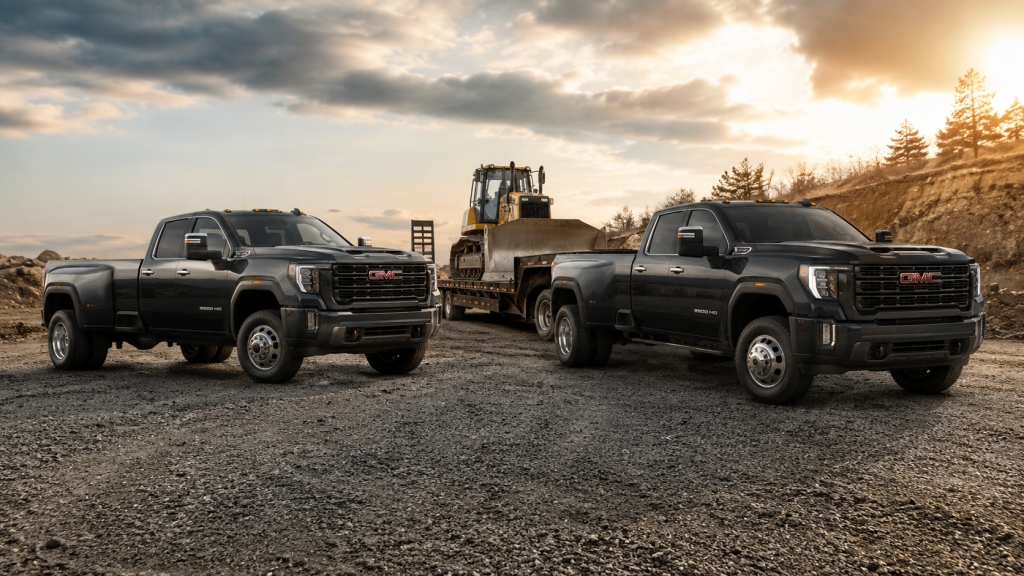
When Gonzales drivers shop for a GMC heavy-duty truck, the conversation centers on capability, not appearance. The decision usually comes down to three technical factors: 2500HD versus 3500HD, gas versus diesel, and single rear wheel versus dual rear wheel. Heavy-duty trucks are engineered around frame strength, axle ratings, drivetrain durability, and cooling capacity. Understanding how those systems differ ensures you choose the right platform for your workload rather than simply stepping into the largest badge. 2500HD vs 3500HD: Structural and Capacity Differences Both the Sierra 2500HD and 3500HD share core heavy-duty architecture. They use reinforced boxed frames, heavy-duty rear axles, and commercial-grade suspension components. The difference lies in capacity thresholds. Sierra 2500HD: more Designed for substantial towing and hauling without stepping into maximum commercial limits Lower gross vehicle weight rating than the 3500HD Ideal for large campers, equipment trailers, and contractor work Sierra 3500HD: Higher gross vehicle weight rating Available in single rear wheel and dual rear wheel configurations Built for maximum fifth-wheel and gooseneck stability The 3500HD does not just increase towing numbers. It increases payload strength, rear axle durability, and frame load tolerance. If you routinely tow near the upper limit of a 2500HD, stepping into a 3500HD provides margin and long-term drivetrain protection. Gas vs Diesel: 6.6L V8 or 6.6L Duramax Engine choice is one of the most researched decisions in heavy-duty truck ownership. 6.6L V8 Gas Engine: Strong horsepower delivery Lower upfront cost Simpler emissions systems compared to diesel Well-suited for moderate towing and daily work use 6.6L Duramax Turbo-Diesel: Significantly higher torque output Designed for sustained heavy towing Greater low-RPM pulling strength Paired with the Allison 10-speed automatic transmission Torque matters more than horsepower when towing heavy trailers. The Duramax diesel produces substantial torque at lower engine speeds, which supports pulling large fifth-wheel campers or equipment trailers without constant high RPM operation. For drivers towing occasionally, the gas engine may provide sufficient capability. For drivers towing heavy loads regularly, diesel torque and durability provide long-term benefit. The Allison 10-Speed Automatic Transmission The Duramax diesel is paired with the Allison 10-speed automatic transmission. This transmission is engineered specifically for heavy-duty torque management. Benefits include: Closer gear ratios for smoother acceleration under load Improved engine braking control Enhanced cooling under sustained towing conditions Reduced stress on drivetrain components Transmission strength is critical in heavy-duty applications. The Allison system is calibrated for commercial-grade durability. Towing Capacity and Real-World Application Towing capacity varies significantly based on configuration. Sierra 2500HD: Maximum conventional towing over 20,000 pounds when properly equipped Sierra 3500HD: Fifth-wheel and gooseneck towing exceeding 30,000 pounds in certain dual rear wheel configurations These numbers reflect properly equipped models with appropriate axle ratios and trailering packages. When evaluating towing needs, consider: Trailer type: conventional, gooseneck, or fifth-wheel Trailer weight fully loaded, not dry weight Cargo inside the truck while towing Fifth-wheel towing requires additional bed-mounted hardware and weight distribution planning. The 3500HD, particularly in dual rear wheel form, provides greater lateral stability under heavy fifth-wheel loads. Payload Capacity: What the Bed Can Handle Payload is the total weight your truck can carry including passengers, cargo, and hitch weight. Higher payload ratings are essential for: Construction materials Heavy equipment in the bed Fifth-wheel pin weight The 3500HD typically provides higher maximum payload compared to the 2500HD due to reinforced rear suspension and axle strength. Choosing a truck with sufficient payload capacity prevents overloading the rear suspension and maintains braking and steering integrity. Single Rear Wheel vs Dual Rear Wheel One of the most visible distinctions in heavy-duty trucks is rear wheel configuration. Single Rear Wheel: Easier daily maneuverability Narrower footprint More convenient parking and city driving Dual Rear Wheel: Increased stability when towing heavy fifth-wheel trailers Higher payload capacity Wider rear stance for load distribution Dually configurations are ideal for RV owners towing large campers or operators hauling extremely heavy trailers. However, they require more space awareness in daily use. GVWR and GCWR Explained Gross Vehicle Weight Rating refers to the maximum total weight of the truck including passengers and cargo. Gross Combined Weight Rating refers to the maximum total weight of the truck plus trailer combined. Understanding these ratings prevents exceeding engineered limits and protects braking, steering, and frame integrity. Heavy-duty trucks are built with these ratings in mind. Matching your trailer and cargo weight to appropriate GVWR and GCWR ensures safe operation. Cab and Bed Configurations Sierra HD models are available in: Regular Cab Double Cab Crew Cab Bed lengths vary to support either work-site utility or fifth-wheel mounting space. Longer beds provide: Improved weight distribution for gooseneck towing Greater cargo flexibility Crew Cab models provide rear passenger space suited for job crews or family travel. Trim Levels and Buyer Priorities Available trims include: Pro for work-focused configurations SLE and SLT for balanced utility and comfort AT4 for off-road enhancements Denali and Denali Ultimate for premium interior materials and technology Capability remains central across trims, but interior refinement and driver assistance features scale upward in premium models. How Gonzales Drivers Make the Decision The typical evaluation process includes: Determining maximum trailer weight Calculating payload requirements including hitch weight Choosing gas or diesel based on frequency of heavy towing Deciding between single and dual rear wheel stability Balancing daily drivability with maximum capacity Heavy-duty trucks are investments in durability and capability. The correct configuration is defined by real workload, not marketing labels. For Gonzales drivers towing livestock trailers, construction equipment, or large RVs, understanding these mechanical distinctions ensures long-term confidence and safety.

2026 GMC Acadia Space and Technology Overview: What Families Should Know

The 2026 GMC Acadia represents a structural shift for GMC’s midsize SUV lineup. It is larger, more powerful, and more technology-focused than the prior generation. For families evaluating space, seating flexibility, and daily functionality, the redesign is not cosmetic. It is architectural. This breakdown explains how the new platform, interior layout, and technology systems affect real-world family use. Platform Growth and Dimensional Changes The 2026 Acadia rides on an expanded platform compared to its predecessor. The wheelbase has increased, overall length has grown, and interior packaging has been reconfigured. What that means in practical terms: more Standard three-row configuration across the lineup Increased passenger volume More third-row legroom Expanded cargo capacity behind the third row Previous Acadia generations leaned closer to compact proportions in certain trims. The 2026 model returns firmly to the midsize three-row category. Families who found earlier models tight in the third row will notice the difference immediately. Seating Configuration and Passenger Capacity The 2026 Acadia seats up to seven passengers depending on configuration. Second-row options include: Bench seat for maximum capacity Captain’s chairs for easier third-row access Third-row usability matters for family SUVs. The updated Acadia provides: Improved legroom over the prior generation More usable headroom Easier entry due to wider rear door openings The third row is designed for children and younger passengers for longer drives, but adults can fit for shorter trips. Rear climate controls and improved airflow distribution support comfort in all three rows. Cargo Capacity and Storage Flexibility Cargo space is often the deciding factor for families. The 2026 Acadia provides: Usable cargo space behind the third row for groceries or sports gear Substantial expansion when the third row is folded Maximum cargo volume when both rear rows are down Fold-flat functionality improves loading ease for strollers, travel luggage, or larger items. The larger overall footprint translates directly into more practical family hauling capacity. Powertrain and Towing Capability The 2026 Acadia is powered by a turbocharged 2.5L engine engineered for balanced output. This engine provides: Strong torque delivery at lower RPM Improved responsiveness compared to naturally aspirated four-cylinder setups Confident merging and highway acceleration Paired with an 8-speed automatic transmission, the powertrain is tuned for both efficiency and usable strength. Trailering capability supports small campers, utility trailers, and recreational equipment when properly equipped. For families with weekend towing needs, the Acadia provides capability without stepping into full-size SUV territory. Interior Technology and Digital Integration Technology is one of the most visible upgrades in the 2026 model. Key interior features include: 15-inch diagonal infotainment touchscreen Digital driver display Google built-in integration Wireless Apple CarPlay and Android Auto Available Super Cruise hands-free driving system The vertical infotainment layout centralizes navigation, audio, and vehicle controls in a single high-resolution display. Google built-in allows direct access to Google Maps, Google Assistant, and compatible apps without requiring smartphone pairing. This integration improves navigation clarity and real-time traffic accuracy for daily school runs and road trips. Super Cruise Availability Available Super Cruise introduces hands-free driving capability on compatible highways. This system uses: Camera-based driver monitoring GPS mapping Advanced sensor input For long highway drives, it reduces fatigue while maintaining safety oversight. It is designed as a driver assistance system, not an autonomous feature, but it enhances travel comfort for families covering significant distance. Safety Systems and Driver Assistance The 2026 Acadia includes an expanded suite of driver assistance features. Standard and available systems may include: Forward collision alert Automatic emergency braking Lane keep assist Blind zone steering assist Rear cross traffic braking Adaptive cruise control Families evaluating midsize SUVs consistently prioritize safety technology. The Acadia integrates these systems as part of its core value structure rather than optional afterthoughts. Trim Strategy for Family Buyers The 2026 Acadia is offered in trims such as: Elevation: Focused on clean design and core features Strong value positioning AT4: Off-road-oriented enhancements Raised ride height All-terrain capability Denali: Elevated interior materials Premium audio systems Advanced driver assistance integration Family buyers often evaluate whether they prioritize rugged versatility or refined interior features. The platform remains consistent, but trim focus shifts capability and comfort emphasis. Is the 2026 Acadia a True Midsize Family SUV? Yes. With: Standard three-row seating Expanded cargo capacity Modern turbocharged powertrain Advanced digital integration Enhanced driver assistance systems the 2026 Acadia aligns with expectations in the midsize SUV segment. The redesign addresses prior size limitations while adding meaningful technology upgrades. For families weighing space, comfort, and digital connectivity, the Acadia’s platform expansion is the defining change. Understanding how seating flexibility, cargo capacity, and powertrain behavior support daily routines ensures the right decision is made based on real use rather than segment labels.

GMC Canyon vs GMC Sierra 1500: Which Truck Fits Your Daily Driving and Towing Needs?

Choosing between the GMC Canyon and Sierra 1500 is not about which truck is better. It is about scale, platform strength, and how often you truly use full-size capability. Both are engineered for real work. The difference is how much truck you need every day. This comparison focuses on frame architecture, engine output, towing ratings, payload capacity, and daily usability so you can match the truck to your actual workload. Platform and Frame Differences The Canyon is a midsize truck built on a smaller frame architecture. It offers a narrower body, shorter overall length, and lighter curb weight. That translates to easier maneuverability and lower overall operating mass. The Sierra 1500 is a full-size truck built on a larger, stronger frame. It provides wider track width, longer wheelbase options, and greater structural capacity for towing and hauling heavier loads. Key structural differences: more Canyon is optimized for moderate towing and daily flexibility. Sierra 1500 is engineered for higher gross vehicle weight ratings and larger trailer loads. Sierra offers more cab and bed configurations to support work-focused builds. If you regularly tow heavier trailers or carry construction materials, frame size matters. If most of your driving is commuting with occasional weekend utility use, midsize efficiency can be an advantage. Engine Lineup Comparison GMC Canyon Powertrain The current Canyon is powered by a 2.7L Turbo engine tuned for strong torque delivery. This engine is engineered to provide diesel-like torque characteristics in a gasoline platform. High torque output at low RPM Designed for trailering and off-road use Paired with an 8-speed automatic transmission This turbocharged four-cylinder produces torque figures competitive with some older V8 platforms while maintaining a more compact engine footprint. GMC Sierra 1500 Powertrains The Sierra 1500 offers multiple engine options: 2.7L TurboMax 5.3L V8 6.2L V8 3.0L Duramax Turbo Diesel The 2.7L TurboMax provides strong torque and improved fuel efficiency relative to V8 engines. The 5.3L and 6.2L V8 engines deliver higher horsepower for heavy towing and acceleration under load. The 3.0L Duramax diesel provides exceptional torque and improved highway efficiency for long-distance hauling. If maximum output flexibility matters, the Sierra provides more powertrain choices. Towing Capacity Comparison This is often the deciding factor. GMC Canyon: Maximum towing capacity approximately 7,700 pounds when properly equipped. GMC Sierra 1500: Towing capacity ranges significantly depending on configuration. Properly equipped Sierra 1500 models can exceed 13,000 pounds. That difference is substantial. If you tow: A small utility trailer A mid-size boat A compact camper the Canyon may be fully capable. If you tow: Large travel trailers Equipment trailers Heavy work loads regularly the Sierra 1500’s higher rating provides necessary margin and stability. Towing is not only about weight rating. Wheelbase length and frame mass contribute to stability under load. The Sierra’s larger footprint offers greater confidence for heavier trailers. Payload Differences Payload capacity reflects how much weight can be carried in the bed and cabin combined. Canyon: Designed for moderate payload needs. Ideal for landscaping materials, recreational gear, and light jobsite equipment. Sierra 1500: Higher maximum payload depending on configuration. More suitable for construction materials, heavy cargo, and contractor tools. If your truck regularly carries dense material such as gravel or construction supplies, payload capacity matters as much as towing. Cab and Bed Configurations Canyon typically offers: Crew Cab configuration Standard bed length Sierra 1500 offers: Regular Cab, Double Cab, and Crew Cab Multiple bed lengths including short, standard, and long bed options The Sierra’s flexibility allows it to be configured as a dedicated work truck or a family-ready truck with maximum interior space. Interior room is another distinction. The Sierra provides more rear-seat legroom and wider cabin space for passengers. Daily Driving and Maneuverability Where the Canyon has an advantage is size management. Easier to park in tighter urban spaces Narrower body width improves maneuverability Lighter weight improves agility in city driving For drivers who commute daily, navigate downtown traffic, or park in residential garages, the Canyon’s smaller footprint reduces fatigue. The Sierra remains manageable but requires more space awareness, particularly in tighter parking lots. Fuel Economy Considerations Fuel economy varies by engine and drivetrain. In general: The Canyon’s smaller size supports improved efficiency relative to V8 Sierra configurations. Sierra models equipped with the 2.7L TurboMax or 3.0L diesel offer competitive highway efficiency for a full-size truck. Fuel economy differences narrow when comparing turbocharged engines across both trucks. Larger V8 configurations increase fuel consumption, particularly under load. Suspension and Ride Character Canyon: Tuned for balance between utility and daily comfort. More compact suspension geometry. Sierra 1500: Broader suspension tuning range. Available adaptive systems and enhanced trailering suspension setups. Full-size trucks generally offer more ride isolation over rough surfaces due to longer wheelbase and heavier mass. If ride smoothness under load is critical, the Sierra’s larger platform provides an advantage. Trailering Technology and Driver Assistance Both trucks offer advanced trailering systems, but the Sierra 1500 includes expanded camera systems and available trailering technology packages suited for larger trailers. Features may include: Trailer brake controllers Multi-camera towing views Hitch guidance systems Technology support scales with intended use. The Sierra’s systems are designed for heavier-duty scenarios. Which Truck Fits Your Needs? Choose the Canyon if: You want a truck that fits daily driving comfortably Your towing needs stay under midsize limits Maneuverability and efficiency matter You want strong torque in a smaller footprint Choose the Sierra 1500 if: You regularly tow heavy trailers You need higher payload capacity You want multiple engine choices Maximum interior space matters The decision is not about brand hierarchy. Both trucks are engineered with purpose. The key is aligning truck size with real-world demand. Understanding how often you use maximum capability versus everyday practicality will guide the right choice.

How Gonzales Families Research GMC SUVs: Space, Pricing and Safety Considerations

When families in Gonzales begin researching GMC SUVs, the process is rarely driven by styling or performance alone. Most buyers focus on how an SUV supports daily routines, protects passengers, and adapts as family needs change. Space, safety systems, and long term value tend to guide decisions more than any single specification. Understanding how families evaluate these factors helps clarify which GMC SUV fits their household and why certain features matter in real world use. Interior Space and Seating Usability Interior space is one of the first factors families evaluate, but square footage alone does not tell the full story. Families look closely at how seating is configured, how easily passengers can enter and exit, and how the cabin supports child seats and growing passengers. GMC SUVs are designed with practical interior layouts that balance passenger comfort and cargo needs. Rear seat spacing, door opening angles, and seat height all influence how manageable daily use feels, especially during school drop offs, grocery runs, or long trips. Families often assess: more Rear seat legroom for children and adults Ease of installing and accessing child safety seats Seating flexibility for multiple passengers and cargo combinations Visibility from the driver’s seat when managing busy environments An interior that feels usable and accessible often matters more than maximum dimensions on paper. Cargo Space and Everyday Flexibility Cargo capacity plays a critical role in family SUV research. Families consider how well the SUV accommodates strollers, sports equipment, groceries, and luggage without constant reorganization. GMC SUVs emphasize adaptable cargo areas that transition easily between passenger and storage needs. Folding rear seats, low cargo floors, and wide liftgate openings support everyday hauling while maintaining cabin comfort. Practical cargo considerations include: Ability to carry bulky items without removing seats entirely Accessibility of storage areas with the rear seats in use Stability of cargo during daily driving This flexibility allows families to use one vehicle for multiple roles without compromise. Safety Systems and How They Support Families Safety is a central priority for family buyers. Rather than focusing only on crash ratings, many families want to understand how safety systems help prevent incidents in the first place. GMC SUVs integrate driver assistance technologies that monitor surrounding traffic, support braking and steering, and improve awareness in complex driving environments. These systems are designed to operate continuously and assist the driver during common scenarios such as merging, parking, and navigating busy streets. Safety systems commonly evaluated include: Forward collision awareness and braking support Lane position monitoring during highway travel Blind zone alerts during lane changes Rear visibility assistance when reversing For families, these systems contribute to confidence and peace of mind during everyday driving rather than reacting only after an incident occurs. Child Passenger Considerations Families with younger children often research how well an SUV accommodates car seats and child passengers. This includes evaluating rear seat access, anchor placement, and overall cabin layout. Key considerations typically include: Clear access to rear seats without excessive bending or reaching Secure and intuitive child seat anchoring points Adequate rear seat space as children grow An SUV that simplifies these tasks reduces daily stress and supports long term usability as family needs evolve. Pricing Value and Ownership Predictability Pricing research for family SUVs tends to focus on value rather than lowest cost. Families often evaluate how features, safety systems, and interior space justify the overall investment. Ownership predictability plays a major role. Buyers consider factors such as maintenance expectations, durability, and resale value when evaluating long term cost. An SUV that delivers consistent performance and predictable upkeep often represents stronger value over time. Families commonly compare: Feature content relative to trim level Long term reliability expectations Fuel efficiency based on daily driving patterns Resale value when planning future upgrades This approach helps families choose a vehicle that fits both current needs and future plans. All Wheel Drive and Family Confidence All wheel drive is often evaluated for the confidence it provides rather than extreme off road capability. Families consider how traction systems support driving in rain, poor road conditions, or occasional travel outside urban areas. GMC all wheel drive systems are designed to manage traction automatically, adjusting power distribution as conditions change. This enhances stability and control without requiring driver input, which is especially valuable in unpredictable driving environments. For families, this translates to: Improved confidence during adverse weather Reduced stress during longer trips Consistent handling when roads are less than ideal Comparing GMC SUVs as Family Needs Change Family needs are rarely static. Many buyers research GMC SUVs with future growth in mind, considering how well the vehicle will adapt as children get older or schedules become more demanding. This includes evaluating: Interior space growth potential Ability to support multiple passengers comfortably Flexibility for evolving cargo needs Safety systems that remain relevant over time Selecting an SUV that supports these changes helps families avoid needing to replace their vehicle prematurely. Final Perspective Gonzales families researching GMC SUVs prioritize practicality, safety, and long term value. Interior usability, adaptable cargo space, advanced safety systems, and predictable ownership costs shape purchasing decisions more than individual specifications. By focusing on how an SUV supports daily family life and adapts over time, buyers can choose a GMC SUV that delivers confidence, comfort, and flexibility throughout ownership.

Contact Us

Fill out this form below and we'll contact you shortly
*Required Fields