

Ross Downing GMC of Gonzales

Blog / Gonzales GMC Dealer

Blog

All Gonzales GMC Dealer Gonzales GMC Service Ross Downing GMC of Gonzales Service

GMC Acadia vs Yukon for Growing Gonzales Families

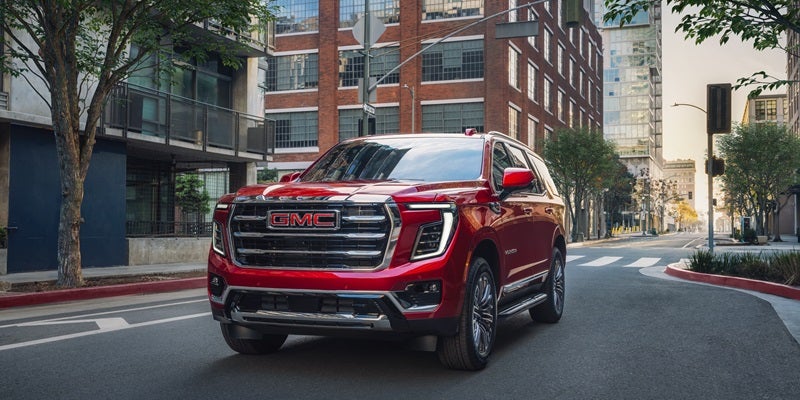
The GMC Acadia vs Yukon decision starts with how often your family fills the third row and cargo area. Acadia uses a midsize three row layout. Yukon uses a larger full size structure. Both can seat up to eight people. However, those seats do not provide the same space or travel role. A clear choice starts with who rides in each row. It also starts with what must fit behind them. Trailer plans, garage size, and daily parking should enter the review as well. Why Seating Capacity Does Not Settle the Choice Both GMC SUVs can offer seating for up to eight. Still, equal seat counts do not create equal cabin space. Acadia gives families three rows in a smaller body. Yukon adds more room for people, gear, and mechanical hardware. The question is not only how many people fit. Instead, ask who will sit in the third row. Young children may need less legroom than adults. Older children may also need easier entry during school or sports travel. more Seat width matters when several child seats stay installed. Door openings and second row movement matter too. Therefore, families should test their own seats before making a choice. Acadia may cover a household that uses row three several times each week. Yukon may suit homes with frequent adult riders or larger teens. Even so, passenger count alone should not control the purchase. How Third Row Use Changes the Decision The third row should be judged by time, access, and passenger size. A short ride across Gonzales creates one need. A long interstate trip creates another. Acadia can provide flexible seating without full size exterior dimensions. That can work well for children, friends, or occasional guests. However, frequent adult use may point toward Yukon. Families should test several details during the visit: Install each child seat in its likely position. Then check access to row three. Move the second row forward. Confirm that passengers can enter without strain. Sit in every occupied row for several minutes. Check knee, foot, and head room. Confirm that climate vents and charging ports reach each regular passenger. Furthermore, seat placement can change daily routines. A child seat may block the easiest path into row three. Folded second row sections may also reduce seating choices. For this reason, the strongest choice comes from a full cabin test. Bring the people who ride most. Then repeat the entry process several times. Cargo Behind Passengers Creates a Clear Divide Maximum cargo numbers require folded seats. Therefore, they do not describe a family trip with every needed row raised. Current Acadia data lists 23 cubic feet behind row three. Current Yukon data lists 25.5 cubic feet in the same area. That difference may sound small. Yet the shape of the floor and side walls can change what fits. A stroller, cooler, sports bag, and grocery load can fill the space quickly. Large suitcases can also block rear visibility. Therefore, families should test their own gear before relying on one published number. Acadia reaches 97.5 cubic feet with rear rows folded. Yukon reaches 122.8 cubic feet. Those figures matter when fewer passengers travel. They matter less when all three rows stay occupied. Yukon XL may enter the review when full passenger loads also bring heavy luggage. Its longer rear body adds more space behind row three. Still, that extra length asks for more garage depth and parking room. When Towing Pushes a Family Toward Yukon Acadia can tow up to 5,000 pounds when properly equipped. Yukon can reach up to 8,400 pounds with the proper configuration. Those ceilings create a strong dividing point. However, the trailer label is only the starting number. Loaded trailer weight must include water, food, gear, fuel, and installed equipment. Tongue weight also presses down on the SUV. Passengers, cargo, accessories, and tongue weight share the payload limit. Therefore, a full family cabin can reduce the remaining trailer allowance. Acadia may fit smaller campers, utility trailers, or light recreational loads. Yukon may fit heavier campers, boats, or frequent trailer travel. The exact answer still comes from the chosen engine, drivetrain, hitch equipment, and payload label. Yukon also offers V8 and diesel engine choices. Acadia uses a 2.5L turbo engine. As a result, Yukon gives families more powertrain paths for heavier work. Before towing, compare the exact SUV with the loaded trailer. Do not rely on the largest published number alone. When Acadia Is Easier to Live With More room is not always the smarter daily choice. Acadia gives families three rows in a smaller exterior package. Therefore, it may fit school lines, shopping lots, and home garages with less effort. A smaller body can also make routine errands simpler. Tight turns, narrow spaces, and crowded parking areas may require fewer corrections. In addition, Acadia can carry three rows without the full size footprint of Yukon. Families should measure the garage before visiting. Include shelving, steps, stored items, and liftgate clearance. Also consider the space needed to open rear doors beside another car. Acadia may cover most family needs when row three carries children or occasional guests. It may also cover moderate trailer plans within the exact rating. Yukon earns its larger footprint when the family uses that room each week. Otherwise, Acadia may provide enough seats and cargo space for normal weeks. Which Family Routines Justify Yukon Yukon makes the strongest case when several demanding needs occur every week. Frequent adult third row use is one sign. Heavy trailer plans are another. Before choosing, review these repeated routines: Adults or larger teens use the third row during long trips. The family carries many passengers and bulky gear at the same time. A camper, boat, or trailer approaches Acadia limits after loading. V8 or diesel engine choice matters for regular trailer travel. The home garage and normal parking areas can handle Yukon dimensions. Acadia remains a strong fit when three rows matter but full size space does not. It can serve school travel, family errands, and lighter towing within the exact rating. Ross Downing GMC Gonzales can place both SUVs side by side for a clearer review. Bring child seats, travel gear, and trailer details to that visit. Therefore, the comparison reflects your normal family routine. The right answer becomes clearer when space, cargo, towing, and parking are reviewed together. Acadia covers many growing families well. Yukon fits families whose repeated loads require more room and stronger trailer support.

What Is MSRP for GMC Shoppers in Gonzales Louisiana

What is MSRP when buying a new GMC in Gonzales, Louisiana? MSRP means Manufacturer’s Suggested Retail Price, which is the vehicle price recommended by GMC. The number gives shoppers a starting point for comparing models, trims, and factory equipment. However, it is not the same as the final amount due at purchase. A new GMC can show several prices during the shopping process. Each number serves a separate purpose. Therefore, clear comparisons require more than one figure. What MSRP Means on a New GMC MSRP begins with the manufacturer, not the dealership. GMC assigns a suggested retail price to each model, trim, and factory configuration. The word suggested matters because the dealership can set the selling price. MSRP appears on the new vehicle window label. That label identifies the exact truck or SUV and lists its factory equipment. In addition, it shows the price attached to each factory option or package. more What does MSRP stand for in a dealership conversation? It stands for Manufacturer’s Suggested Retail Price. Therefore, it gives everyone the same starting reference for that exact vehicle. Still, MSRP does not settle the full transaction. Dealer pricing, incentives, trade credit, taxes, registration, and financing enter later. For this reason, shoppers should treat MSRP as the first number in a longer pricing review. What Appears on the Window Sticker A base MSRP usually reflects the starting price for a specific model and trim. However, the exact vehicle may include added factory equipment. Those choices raise the total shown on its window label. A GMC Sierra may include a different engine, drivetrain, wheel package, or trailering package. A GMC Yukon may include different seating, technology, or appearance packages. Therefore, two vehicles with the same trim name can show different sticker totals. The window label can include these pricing lines: The base price for the model and trim starts the calculation. Factory options and packages add their listed amounts. The destination charge covers delivery from the manufacturer. The total vehicle price combines the listed factory pricing lines. Destination deserves close review because websites can display pricing in different ways. One page may lead with base MSRP. Another may show a total that already includes destination. Therefore, compare the same line on both vehicles. Dealer installed accessories may appear outside the factory window label. Ask whether the vehicle includes tint, steps, protection products, or other added items. Then request the price for each item in writing. Why Dealer Pricing Can Differ From MSRP Can a dealership sell a GMC below MSRP? Yes. Dealer discounts or manufacturer incentives may lower the advertised selling price. Inventory levels, model demand, and promotional periods can also shape the listed amount. A vehicle can also appear above MSRP. A market adjustment or dealer installed item may raise the price. Therefore, ask what created the difference before comparing offers. Several prices may appear beside one GMC listing. The page may show MSRP, a dealer discount, an incentive amount, and a final advertised price. Each line needs its own explanation. In addition, some incentives require specific qualifications. A program may apply only to current owners, military members, recent graduates, or certain financing choices. Eligibility rules and expiration dates can change the amount available. The strongest comparison uses the same equipment and the same qualification rules. Otherwise, one offer may appear lower because it includes an incentive unavailable to another shopper. How Incentives and Trade Credit Enter the Deal Does a rebate change the original MSRP? No. The manufacturer’s sticker remains the same. Instead, the rebate lowers the transaction amount for an eligible shopper. Dealer discounts work differently from manufacturer incentives. The dealership provides one reduction, while the manufacturer supports the other. Therefore, the purchase worksheet should identify each amount separately. Trade credit belongs on its own line as well. The dealership assigns a figure to the current vehicle. That credit reduces the remaining balance, but it does not change the new GMC’s MSRP. Keeping these figures separate makes the offer easier to review. First, confirm the selling price before trade credit. Next, review the trade amount. Then examine taxes, fees, and financing. A shopper with negative trade equity may carry an unpaid balance into the new loan. By contrast, positive equity may reduce the amount financed. Therefore, the trade can change the loan without changing the new vehicle’s sticker. Why Monthly Payment Is Not the Final Price A monthly payment does not show the complete cost of a GMC. The payment comes from the amount financed, interest rate, loan term, and payment schedule. Down payment and trade equity also change the financed balance. A longer loan term can reduce the monthly amount. However, it can also increase total interest paid. Therefore, compare the annual percentage rate, term length, amount financed, and total of payments. Optional products can also enter the loan. These may include service contracts, protection plans, or other selected items. Ask whether each product is optional and review its separate price. Why can a higher priced GMC show a lower monthly payment? It may carry a lower rate, larger down payment, longer term, or stronger incentive. Therefore, payment alone cannot identify the lower cost offer. Before signing, review every figure on the finance contract. Confirm the selling price, trade credit, cash down, amount financed, annual percentage rate, term, and total payments. Which Number Gonzales Shoppers Should Compare The out the door price gives Gonzales shoppers the clearest total for comparing offers. It includes the agreed selling price plus taxes, registration, and listed dealership charges. It also reflects approved discounts and incentives. Request the total in writing for the exact GMC under review. Then confirm that each quote uses the same equipment, incentive qualifications, and trade assumptions. A complete comparison should show: The exact vehicle identification number connects the quote to one GMC. The MSRP and selling price appear as separate figures. Each discount and incentive appears on its own line. Taxes, registration, documentation, and added items appear clearly. Trade credit and financing terms remain separate from the vehicle price. Ross Downing GMC Gonzales can answer local pricing and financing questions for shoppers near Gonzales, Baton Rouge, and Prairieville. Bring the written quote, window label, and trade details into the conversation. MSRP gives shoppers a useful starting point, but it is only one part of the purchase. Therefore, compare the sticker, selling price, credits, fees, and financing separately. That process creates a clearer view of the final GMC cost.

GMC Yukon AT4 vs Denali: Which Trim Is Right for You?

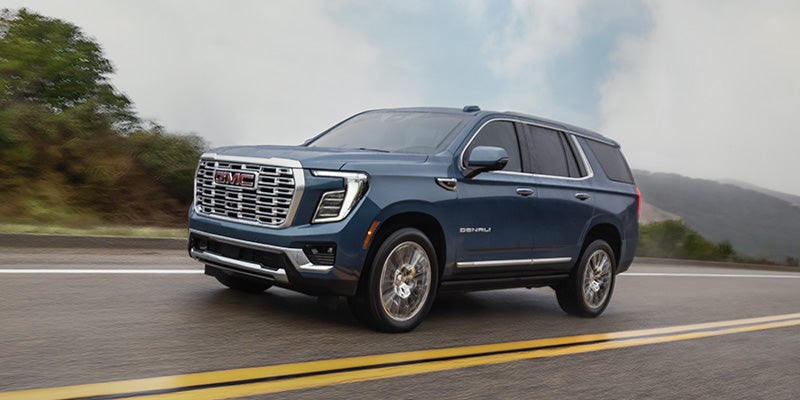
The GMC Yukon AT4 vs Denali decision starts with a single question: what do you use your Yukon for most? Both trims sit at the top of the Yukon lineup. Both carry the same full-size platform, the same three-row cabin, and the same core technology suite. The divergence is in how each trim is engineered to perform — one for terrain, one for road composure and interior refinement. Two Different Design Philosophies The AT4 and the Denali share a body. They do not share a suspension calibration, a tire specification, a drivetrain default, or an interior priority. GMC engineers those two trims from different starting points. The AT4 begins with a terrain-capable foundation and layers interior content on top. The Denali begins with road composure and interior refinement and layers available off-road capability underneath. more That difference shows up on the highway before it ever shows up on a trail. The AT4's suspension is calibrated for terrain response — firmer damping that absorbs trail impacts but transmits more road texture to the cabin at highway speed. The Denali uses Magnetic Ride Control, a system that adjusts damper firmness thousands of times per second based on road conditions. On smooth pavement, the Denali is noticeably more composed. On broken pavement or gravel, the AT4 absorbs irregularities more predictably. Neither trim is unusable in the other's environment. Each one is optimized for a specific priority. Powertrain: Where They Diverge First The AT4 comes standard with the 5.3L V8, producing 355 horsepower and 383 lb-ft of torque. The Denali comes standard with the 6.2L V8, producing 420 horsepower and 460 lb-ft of torque. That 65-horsepower gap is the first mechanical difference between the two trims and the one with the most direct effect on daily driving. At highway speeds, the 6.2L pulls more confidently under load. When the Denali merges onto a highway towing a trailer near its rated capacity, the larger engine maintains momentum without the transmission hunting for a lower gear. The 5.3L in the AT4 is a capable engine. It handles the same towing loads when properly configured. At full trailer weight, it works harder to maintain speed on grades and requires more throttle input in passing situations. Both trims offer the 3.0L turbo diesel I-6 as an alternative for buyers who prioritize range and fuel efficiency over peak output. AT4 Off-Road Hardware Explained The AT4's off-road advantage comes from four hardware components that the Denali does not include: skid plates, all-terrain tires, Active Response 4WD as the standard drivetrain, and optional air ride adaptive suspension. The skid plate package protects three specific underbody areas — the transfer case, the front differential, and the fuel tank. Those are the components most exposed during low-clearance trail travel, creek crossings, and rock contact. On pavement, skid plates add weight without benefit. On technical terrain, they are the difference between a recoverable situation and component damage. The AT4 rides on all-terrain tires from the factory. That specification gives the tire a more aggressive sidewall and tread pattern than the highway-oriented tires on the Denali. The grip difference on loose gravel, wet grass, or dirt roads is measurable without any additional hardware. Active Response 4WD is standard on the AT4, meaning 4WD engagement is the default configuration rather than an add-on. The available air ride adaptive suspension raises ground clearance by up to two inches over the AT4's already elevated stance. For buyers who travel unpaved roads regularly or take the vehicle into light technical terrain, that additional clearance changes the approach and departure angles in ways that matter. For buyers who rarely leave pavement, the base AT4 suspension handles the load without the air system. Denali Interior and Technology The Denali delivers two things the AT4 does not come standard with: the 6.2L V8 and Magnetic Ride Control. Beyond those two mechanical advantages, the Denali separates from the AT4 through interior specification. The Denali comes standard with open-pore Paldao wood trim, genuine leather seating surfaces, a 16.8-inch diagonal infotainment screen, and a 15-inch head-up display. The AT4 includes a 16.8-inch screen as well, but uses different interior materials oriented toward durability rather than refinement. The Denali's cabin is quieter at highway speed, partly because of the Magnetic Ride Control's effect on body motion and partly because of additional sound insulation in the door panels and headliner. Super Cruise hands-free driver assistance is available on the standard Denali as an option. It is not included in the base Denali price. On the Denali Ultimate, Super Cruise is standard equipment. On the AT4, Super Cruise is available as an option at the AT4 Ultimate level. Buyers comparing standard trim pricing should not assume Super Cruise is included in either case. The Denali Ultimate Upgrade Path The Denali Ultimate takes the standard Denali further in three specific directions. Air suspension becomes standard at the Denali Ultimate level, replacing the Magnetic Ride Control setup and giving the driver adjustable ride height at the press of a button. Wheel size increases to 24 inches. The interior adds massaging front seats, an 18-speaker Bose Performance Series audio system, and dual 12.6-inch rear seat entertainment displays. Super Cruise moves from available to standard. For buyers who want the most complete version of the Denali, the Ultimate package represents a single upgrade decision rather than a list of individual options to select. Towing: Which Trim Fits the Job Both the AT4 and the Denali reach a maximum towing capacity of 8,200 pounds when equipped with the Max Trailering package. That package is not included in the base price of either trim. It adds an integrated trailer brake controller, a hitch guidance camera system, a trailering app with sway control, and the necessary cooling upgrades to sustain towing at high load. Without the Max Trailering package, the towing ceiling on both trims is lower. Buyers who plan to tow consistently should confirm Max Trailering is on the build sheet before comparing total prices. The Denali has a towing confidence advantage that does not appear on the spec sheet. The standard 6.2L V8 provides more reserve torque at highway towing speeds than the AT4's standard 5.3L. Towing at 7,000 pounds on a flat highway, both trims handle the load. Towing that same weight up a long grade in summer heat, the 6.2L maintains speed more naturally while the 5.3L runs closer to its threshold. For buyers who tow heavy loads regularly on varied terrain, that reserve matters over the course of a long haul. Which Buyer Each Trim Is Built For The AT4 is built for buyers who want a full-size SUV that can handle unpaved roads, light trails, or terrain that changes without notice. The skid plates, all-terrain tires, and 4WD-default drivetrain remove the hesitation that comes with taking a highway-tuned SUV off pavement. The AT4 is also the right choice for buyers who want a capable tow vehicle that does not prioritize interior refinement above function. At $78,595, it enters the premium Yukon tier at the lowest price point of the two trims. The Denali is built for buyers who want the Yukon's most refined version of every daily drive. The 6.2L standard engine, Magnetic Ride Control, premium interior materials, and the clear path to the Denali Ultimate package make it the stronger choice for buyers who prioritize long-distance comfort, interior quality, and the option to add Super Cruise and air suspension without moving to a different model. At $82,595, the $4,000 premium over the AT4 buys a different powertrain and a fundamentally different interior specification. For buyers who want off-road hardware and maximum interior content in one vehicle, the AT4 Ultimate at $98,395 and the Denali Ultimate at $104,395 represent the highest-specification versions of each philosophy, with the towing, audio, and technology packages available in both.

Certified Pre-Owned GMC Yukon vs New: Which Makes Sense?

The certified pre-owned (now CarBravo) GMC Yukon vs new decision is not simply about price. It is about where the Yukon's value curve sits at the moment you buy it. It is also about what warranty protection transfers to you and whether front-end savings justify any coverage differences. Both paths lead to the same capable full-size SUV. The financial structure of each path is fundamentally different. How the GMC Yukon Depreciates The Yukon loses more value in its first year than in any subsequent year after purchase. First-year depreciation on a new Yukon runs between 20 and 25 percent of the purchase price. On a 2026 Yukon starting at approximately $69,200, that loss runs roughly $13,800 to $17,300 in the first 12 months of the original owner's possession. By year two, the rate slows considerably. A two-year-old Yukon with average mileage has already absorbed the steepest part of the depreciation curve. CarEdge data shows the Yukon depreciates approximately 55 percent over five years. The buyer who purchases at the two-year mark steps into a vehicle that has shed its most expensive depreciation period. That two-year-old unit lists $15,000 to $20,000 below the equivalent new model year's MSRP based on trim level and options. more That gap is the financial foundation of the CPO argument. The Yukon's strong resale reputation means that gap does not grow indefinitely. Beyond year three or four, the discount relative to new narrows in percentage terms. The Yukon holds value better than average for its segment. The two-year window is where the depreciation advantage is most pronounced. What the GMC CPO Program Covers The GMC Certified Pre-Owned program covers Yukon models six model years old or newer. Those units must carry under 75,000 miles at the time of certification. Every CPO Yukon passes a 172-point inspection conducted by a GMC-trained technician before it carries the certified designation. That 172-point inspection covers six primary categories. Engine and drivetrain components are evaluated for wear, leaks, and mechanical function. Brake components are inspected for pad thickness, rotor condition, and hydraulic integrity. The electrical system review includes battery load testing, lighting, and control module function. Interior and exterior condition assessments document any cosmetic concerns. Chassis and suspension components are inspected for wear indicators and alignment. Safety system functionality, including airbag readiness and restraint components, is confirmed operational. The CPO warranty structure includes two layers. The first is a 12-month or 12,000-mile bumper-to-bumper limited warranty with a $0 deductible. The second is a 6-year or 100,000-mile powertrain limited warranty. One distinction shapes the powertrain coverage calculation. That six-year clock begins on the original in-service date, not the CPO purchase date. A buyer purchasing a two-year-old CPO Yukon receives approximately four years of powertrain coverage remaining. The six-year ceiling is not fully available at that age. Every GMC CPO Yukon also includes two complimentary scheduled maintenance visits. Those are valid within 2 years or 24,000 miles from CPO purchase and cover oil changes, tire rotation, and a multi-point inspection. Roadside assistance is active for the full duration of the powertrain warranty. A 3-day or 150-mile vehicle exchange policy is included if the buyer experiences dissatisfaction within that window after purchase. CPO Warranty vs New Vehicle Warranty A new 2026 GMC Yukon carries a 3-year or 36,000-mile bumper-to-bumper factory warranty. The powertrain warranty runs 5 years or 60,000 miles. A CPO Yukon carries a shorter bumper-to-bumper window at 12 months or 12,000 miles. The powertrain ceiling restores to 6 years or 100,000 miles from the original sale date. In direct terms, a two-year-old CPO Yukon has already consumed its factory bumper-to-bumper coverage. The CPO program adds 12 additional months of that broader coverage back on top. Powertrain protection continues under the CPO structure, though the remaining term decreases with each year of age at purchase. The $0 deductible on CPO claims beats aftermarket extended warranty contracts. Those contracts commonly carry $100 to $200 deductibles per claim. The new Yukon's factory bumper-to-bumper runs 3 years or 36,000 miles from zero miles. The CPO bumper-to-bumper adds 12 months or 12,000 miles on top of any remaining factory coverage, or restores 12 months if the factory term has expired. The new Yukon's factory powertrain runs 5 years or 60,000 miles. The CPO powertrain warranty extends that ceiling to 6 years or 100,000 miles from the original in-service date, whichever comes first. A CPO Yukon purchased at two years of age with 24,000 miles carries approximately 36,000 miles of powertrain protection remaining before the 60,000-mile factory threshold, and up to 100,000 miles under the CPO extension if the original clock has not yet expired. Both new and CPO Yukons are eligible for GM Financial financing. CPO vehicles do not automatically carry higher interest rates than new vehicles. Rates vary by term, creditworthiness, and current GMC incentives at the time of purchase. Payment Scenarios: What the Depreciation Gap Means Monthly A two-year-old CPO Yukon SLT at approximately $52,000, financed over 60 months at 6.5 percent, produces a monthly payment near $1,015. The equivalent 2026 Yukon SLT new at approximately $78,000 financed under the same terms produces a payment near $1,524. That $509 monthly difference compounds across the loan term to over $30,000 in total financing cost. The new Yukon carries a full factory warranty and qualifies for manufacturer incentive financing. Promotional periods can reduce the rate to near zero. The CPO Yukon does not qualify for new-vehicle promotional financing. GM Financial CPO rates remain competitive relative to the broader used-vehicle market. Buyers who put more down on a CPO unit reduce the financed amount. That shortens the gap between the two payment scenarios. Buyers financing the full purchase price at market rates see the payment advantage of the CPO path most clearly. Which Path Fits Your Buying Timeline The new Yukon suits buyers who plan to keep the vehicle for seven or more years. It also fits those who want full factory coverage from the first mile, or plan to use manufacturer incentive financing during model-year promotions. The new vehicle also delivers the latest feature updates, current model-year technology, and zero prior usage history. The CPO Yukon suits buyers who want a lower monthly payment and are comfortable with a vehicle that has already moved through its steepest depreciation. A 12-month bumper-to-bumper window rather than 36 months is the trade-off. The certified inspection, $0 deductible warranty, complimentary maintenance visits, and vehicle exchange policy close the gap between CPO and new. A standard used purchase carries none of those protections. For buyers with a 3-to-5 year horizon, the CPO Yukon at two years of age is the most financially sound entry point in the Yukon's value curve.

GMC Hummer EV Pickup: What Louisiana Buyers Expect

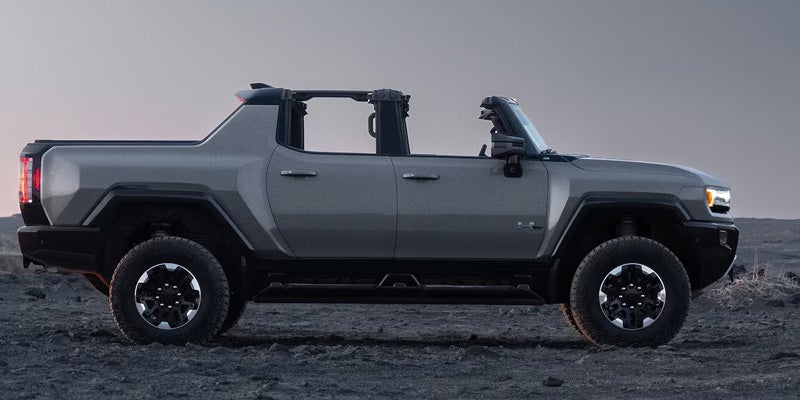
GMC Hummer EV pickup research usually starts with battery range and charging questions, but Louisiana buyers should also evaluate towing impact, charging infrastructure, off road engineering, and how EV truck ownership changes daily driving routines. Moving from a gas powered truck into an electric pickup changes fueling habits, weight distribution, acceleration feel, braking response, and trip planning. The HUMMER EV introduces an entirely different truck architecture through battery powered propulsion, four wheel steering, regenerative braking, and high output electric torque delivery. Buyers considering this GMC truck should understand how those features function during daily ownership before deciding whether the transition fits their driving routines. The HUMMER EV Drives Differently Than a Gas Powered Truck How does the GMC Hummer EV pickup work differently from a gas truck? The largest differences involve power delivery, braking feel, weight distribution, and how the truck stores and uses energy. Gas powered trucks rely on combustion engines that build power progressively through engine RPM and gear changes. The Hummer EV uses electric drive motors powered by the Ultium battery platform. Electric motors deliver torque immediately, creating instant acceleration without waiting for gear changes or engine buildup. That changes how the truck responds during: more • Highway merging • Low speed maneuvering • Off road crawling • Acceleration from a stop • Trailer movement from launch The battery structure also changes weight placement. Instead of carrying most drivetrain weight at the front of the truck, the battery pack stretches across the lower chassis floor. This lowers the truck’s center of gravity and changes body movement during cornering and uneven terrain. Regenerative braking creates another major adjustment for first time EV truck owners. During deceleration, the electric motors reverse function and recover energy back into the battery. The truck slows while simultaneously recharging battery power. Drivers transitioning from traditional trucks may notice stronger deceleration response when lifting off the accelerator pedal. The GMC Hummer EV pickup also introduces features such as Watts to Freedom acceleration mode and four wheel steering layouts that behave differently from traditional heavy duty truck steering systems. Charging Expectations Change Based on Charger Type Can you charge the Hummer EV at home? Most owners complete the majority of charging through home charging equipment installed directly at the residence. Home charging speed depends heavily on charger type and electrical setup. Standard household outlets charge very slowly due to lower voltage output. Level 2 charging equipment increases charging speed substantially by using higher voltage electrical service similar to larger household appliances. Most EV truck buyers installing home charging equipment evaluate: • Garage electrical capacity • Charger installation location • Daily driving mileage • Charging overnight routines • Local electrician availability Public charging introduces another layer of ownership planning. DC fast chargers operate at much higher voltage levels than residential charging equipment and replenish battery range significantly faster during travel. Charging speed varies because battery temperature, charger output, and battery percentage all influence charging rates. Batteries usually charge fastest during lower state of charge ranges and slow charging speed as they approach full capacity. Louisiana buyers should also evaluate evacuation travel routes, highway charging corridors, and local fast charger availability before purchasing an electric truck. Hurricane evacuation planning changes slightly for EV ownership because charging infrastructure availability becomes part of long distance travel preparation. Battery Range Changes Under Workload and Towing Why does towing reduce EV range? Towing increases energy demand substantially because the battery must move additional weight while overcoming greater aerodynamic drag. Range estimates shown during GMC Hummer EV pickup research reflect controlled testing situations. Actual range changes based on speed, terrain, temperature, tire selection, payload weight, trailer resistance, and acceleration habits. Trailer towing creates two major energy demands: Increased rolling resistance from added weight Increased aerodynamic drag from trailer surface area Large enclosed trailers create substantial air resistance at highway speed. The battery works harder to maintain speed, increasing energy consumption more rapidly than unloaded driving. Buyers researching hummer EV range should understand that: • Highway driving consumes energy faster than city driving • Aggressive acceleration increases battery usage • Larger tires alter energy efficiency • Cold temperatures reduce battery efficiency • Towing reduces total driving range substantially Battery thermal management also plays a major role in EV truck operation. The Hummer EV uses cooling systems that regulate battery temperature during charging, acceleration, towing, and hot weather operation. Louisiana heat increases the importance of thermal regulation because batteries operate most efficiently within controlled temperature ranges. Trip planning changes slightly compared with gas powered trucks because charging stop duration matters more than quick fuel station visits. Off Road Engineering Changes How the Truck Moves What does CrabWalk actually do? CrabWalk allows all four wheels to turn in the same direction at low speed, moving the truck diagonally during tighter off road maneuvers. Traditional trucks steer only through the front wheels. The Hummer EV adds four wheel steering capability that changes turning radius and maneuverability substantially during trail driving and obstacle navigation. CrabWalk becomes useful during: • Tight trail navigation • Rock obstacles • Narrow terrain passages • Off road positioning adjustments • Low speed maneuvering Electric propulsion also changes off road torque delivery. Electric motors distribute torque with extremely fast response timing, allowing finer traction management during uneven terrain situations. The heavier battery structure creates both strengths and tradeoffs. The lower center of gravity supports stability, while the overall vehicle weight becomes substantially higher than many traditional trucks. The Hummer EV uses underbody shielding and suspension calibration to protect battery components during off road travel. Buyers researching electric truck off road capability should understand that battery protection becomes a central part of EV truck engineering. What Louisiana Buyers Should Evaluate Before Purchasing What should first time EV truck buyers evaluate? Buyers should evaluate charging access, towing expectations, travel routines, home electrical readiness, and how frequently the truck operates long distances. The GMC Hummer EV pickup introduces a very different ownership structure from traditional trucks. Buyers comfortable with overnight charging routines and local driving patterns may adapt quickly. Drivers making constant long distance trips or frequent heavy towing runs should think carefully about charging logistics and route planning. Louisiana buyers should evaluate: • Home charger installation feasibility • Hurricane evacuation travel planning • Public charging availability • Daily driving mileage • Towing frequency • Off road usage expectations For buyers visiting Ross Downing GMC Gonzales, experiencing the Hummer EV in person provides a clearer understanding of how regenerative braking, electric acceleration, four wheel steering, and charging routines differ from traditional truck ownership. The transition into EV trucks becomes easier once buyers understand how the technology behaves during ordinary driving instead of viewing it only through specifications.

Best GMC SUVs for Large Families in Gonzales

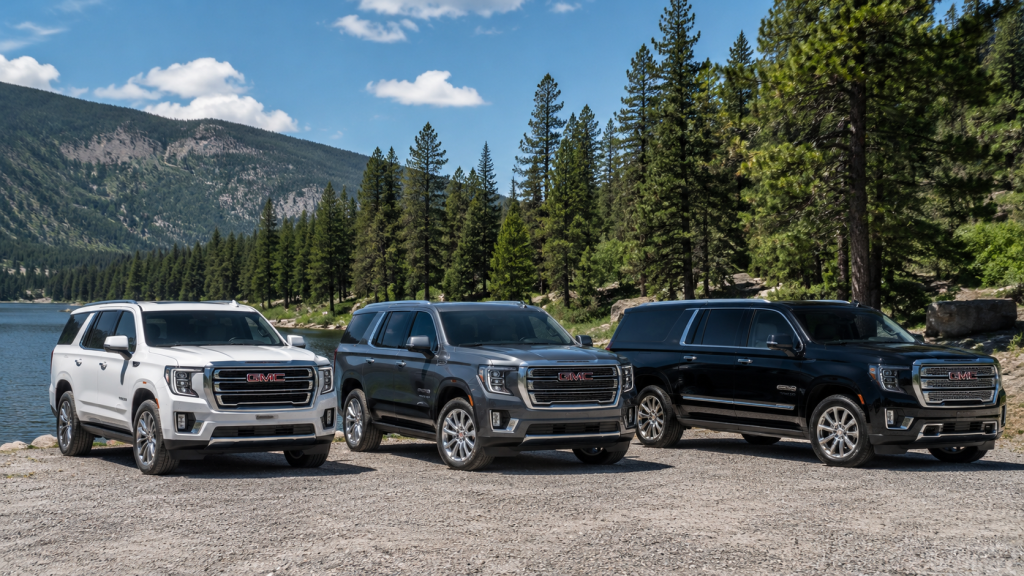
Best GMC SUV for families searches usually begin with seating numbers, but growing families in Gonzales also need to evaluate third row comfort, cargo flexibility, daily maneuverability, and long distance travel space before narrowing their decision. The GMC Acadia, GMC Yukon, and GMC Yukon XL each support family life differently because their cabin dimensions, wheelbase length, suspension structure, and cargo layouts serve very different priorities. Families transporting children, sports equipment, luggage, strollers, pets, or multiple passengers should evaluate how these SUVs function during real travel situations instead of focusing only on seat counts. Acadia, Yukon, and Yukon XL Follow Different Size Philosophies What is the best GMC SUV for large families? The answer begins with understanding how GMC positions the Acadia, Yukon, and Yukon XL around different family space requirements. The GMC Acadia operates within the midsize SUV category. Its structure prioritizes easier maneuverability, balanced passenger room, and manageable exterior dimensions for families transitioning from smaller crossovers or sedans. The GMC Yukon enters the full size SUV category with a larger wheelbase, taller cabin structure, wider seating areas, and greater cargo volume. The Yukon XL extends that layout further by stretching the wheelbase and rear cargo section substantially. Those dimensional differences reshape how each SUV handles: more • Passenger spacing • Third row access • Rear cargo depth • Long distance travel comfort • Child seat positioning The Acadia fits families wanting three row seating without moving into full size SUV ownership. The Yukon increases overall passenger volume and cargo flexibility substantially. The Yukon XL prioritizes maximum family hauling room for larger households, road trips, and multi passenger travel. Wheelbase length also changes ride feel. Longer wheelbase SUVs distribute cabin movement differently over rough pavement, creating calmer body motion during highway travel. That becomes noticeable during longer Louisiana road trips or heavily loaded travel situations. Third Row Passenger Comfort Changes Significantly Between These SUVs Does the Acadia have enough third row space? The Acadia provides usable third row seating for children and moderate adult use, but the Yukon and Yukon XL create noticeably larger passenger accommodations in the rear seating areas. Third row comfort depends heavily on legroom packaging, seat height, roof height, and how the second row slides forward. Smaller three row SUVs sometimes create cramped seating positions because rear passengers sit lower to the floor with tighter knee clearance. The Acadia balances third row usability with easier city driving dimensions. Families with younger children may find the layout works comfortably for school pickups, shorter drives, and moderate passenger rotation. The Yukon changes that equation through a larger cabin footprint. Rear passengers gain more legroom, wider seating areas, and easier access pathways into the third row. The Yukon XL expands those advantages further by creating additional spacing behind the third row while maintaining stronger passenger room throughout the cabin. Families transporting: • Teenagers • Adult passengers • Multiple child seats • Sports teams • Multi generation passengers may notice these interior spacing differences immediately during test drives. Captain’s chairs versus bench seating also shape family flexibility. Second row captain’s chairs create easier third row access, while bench seating increases maximum passenger count. Cargo Space Becomes a Major Divider for Growing Families Why does the Yukon XL feel larger inside? The Yukon XL extends the rear cargo structure substantially, creating much deeper storage space behind the third row. Cargo measurements on paper rarely explain how large SUVs behave during family travel. Strollers, coolers, luggage, sports gear, grocery hauls, pet carriers, and travel bags consume space quickly once all seating rows are occupied. The Acadia provides balanced rear storage for ordinary family routines, grocery runs, school transportation, and moderate travel packing. Once larger family travel situations enter the picture, storage limitations become more noticeable behind the third row. The standard Yukon creates a major increase in rear cargo flexibility while maintaining a shorter footprint than the Yukon XL. The Yukon XL becomes valuable for families carrying heavier travel loads consistently. The extended rear cargo section changes how the SUV handles: • Vacation luggage • Folded strollers • Sports equipment • Bulk shopping trips • Multi passenger road trips Families should also evaluate whether cargo needs change seasonally. Summer travel, youth sports, camping equipment, holiday travel, and airport transportation create different storage demands throughout the year. Interior storage placement matters too. Larger center consoles, rear cargo cubbies, underfloor compartments, and cupholder layouts all contribute to how functional an SUV feels during daily family use. Full Size SUVs Create Different Daily Driving Routines Is a full size SUV harder to drive daily? Full size SUVs require greater parking awareness and wider turning space, though many families adapt quickly once they become familiar with the dimensions. The Acadia feels easier to maneuver through tighter parking lots, narrower residential streets, and crowded shopping areas. Families moving from smaller vehicles usually transition into the Acadia more comfortably because the exterior footprint remains manageable. The Yukon introduces greater body width, ride height, and wheelbase length. Drivers gain more interior room but also take on a larger physical footprint during parking and urban driving. The Yukon XL extends those ownership changes further because the additional cargo length alters turning radius and parking space requirements. Drivers should evaluate: • Garage space • School pickup routines • Parking garage clearance • Grocery store parking • Highway commuting mileage The larger GMC SUVs reward families carrying passengers and cargo regularly, but the tradeoff involves greater attention during tighter maneuvering situations. Suspension tuning also changes between these SUVs. The Yukon and Yukon XL prioritize calmer highway travel and heavier load support. The Acadia balances family comfort with easier urban maneuverability. Choosing the Right GMC SUV for Your Family What should families evaluate before choosing? Buyers should evaluate passenger growth, cargo demands, travel frequency, parking situations, and how the SUV will function during the busiest parts of family life. The GMC Acadia supports families wanting three row seating without stepping into a full size SUV footprint. The Yukon creates stronger passenger flexibility and cargo expansion for larger households. The Yukon XL becomes increasingly valuable once long distance travel, heavier storage demands, and larger passenger groups become part of normal routines. Families expecting changing needs over the next several years should think carefully about future passenger growth. Child seat transitions, teenage passengers, sports equipment, and travel demands can reshape SUV priorities faster than expected. For families visiting Ross Downing GMC Gonzales, comparing the GMC Acadia, Yukon, and Yukon XL in person creates a clearer understanding of how cabin layout, third row comfort, and cargo flexibility differ across these GMC SUVs. Family SUV decisions become much easier once seating space and storage layouts are experienced directly instead of viewed only through specifications.

3500 vs 2500 HD: GMC Workload Comparison

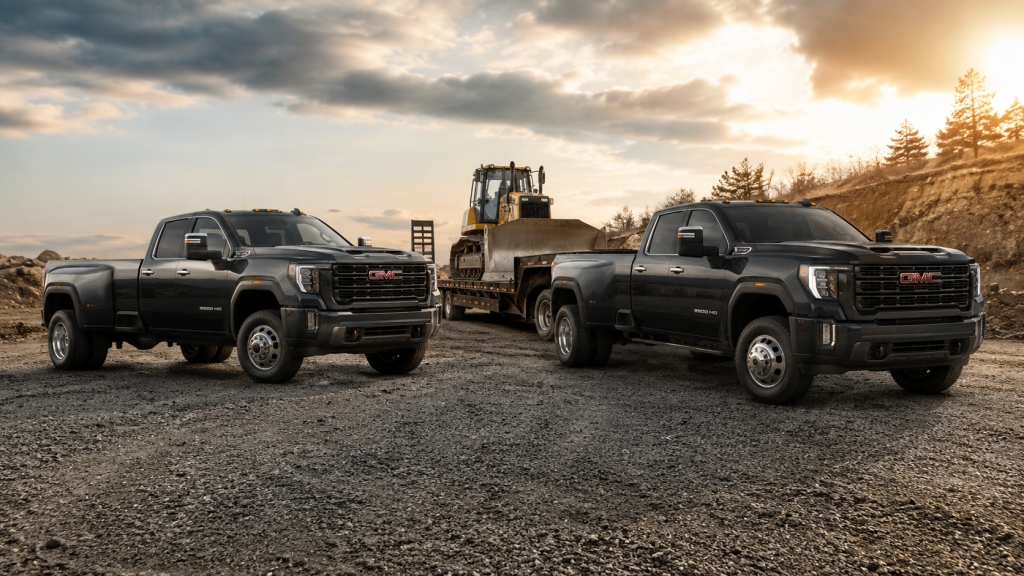
3500 vs 2500 HD comparisons usually begin with towing numbers, but Louisiana buyers hauling equipment, trailers, and commercial loads also need to understand payload structure, rear axle support, and dually stability before upgrading. Sierra HD trucks may appear very similar visually, yet the differences underneath the chassis change how each truck manages heavy pin weight, suspension load transfer, trailer stability, and long duration hauling situations. Contractors, agricultural operators, and equipment haulers should evaluate far more than the advertised tow rating before choosing between these heavy duty GMC trucks. Payload and Towing Differences Shape Truck Selection What is the difference between the Sierra 2500 HD and 3500 HD? The largest differences involve payload support, rear suspension capacity, axle load handling, and how the truck manages heavier trailer weight pressing downward into the chassis. Tow ratings receive most of the attention during truck research, but payload becomes equally important once larger trailers enter the equation. Payload refers to the amount of weight carried directly by the truck itself. This includes passengers, cargo, hitch equipment, fuel, and trailer pin weight pressing into the bed through fifth wheel or gooseneck towing setups. A GMC Sierra 2500 HD supports substantial towing and hauling work already, making it a strong fit for equipment trailers, medium commercial loads, enclosed utility trailers, and moderate fifth wheel towing. The Sierra 3500 HD pushes beyond that range through stronger rear load support and higher payload thresholds. This matters because trailer weight does not transfer evenly. Fifth wheel and gooseneck trailers place a large portion of their weight directly onto the truck’s rear axle. Once heavier commercial trailers enter the picture, payload limitations may be reached before maximum tow ratings are even approached. Louisiana buyers towing: more • Equipment trailers • Livestock trailers • Large campers • Construction machinery • Heavier enclosed haulers should evaluate payload ratings carefully alongside overall trailer weight. Rear axle structure, spring calibration, and frame support all contribute to how these Sierra HD trucks carry concentrated vertical load during towing. Dual Rear Wheels Change Stability Under Heavy Load When does a dually become necessary? A dually becomes more appropriate once trailer pin weight, heavy payload demands, or commercial hauling situations create stability demands beyond what a single rear wheel setup manages comfortably. The GMC Sierra 3500 HD introduces available dual rear wheels to spread heavier load forces across a wider rear contact area. Instead of one tire per side at the rear axle, the dually configuration uses two rear tires on each side. That wider footprint changes how the truck manages trailer movement. Larger fifth wheel trailers create side to side force during crosswinds, uneven pavement, highway lane changes, and trailer sway situations. Dual rear wheels create greater lateral stability because the rear axle distributes weight across a broader stance. This becomes noticeable during: • Highway crosswind exposure • Heavier trailer tongue weight • Uneven road surfaces • Long distance hauling • Emergency steering correction situations The wider rear axle support also changes how the truck settles under heavier loads. Rear suspension compression feels more controlled because weight distribution spreads across additional tire surface area. Buyers researching GMC dually towing should understand that the additional wheels are not simply increasing towing numbers. The configuration changes how the truck physically manages trailer movement and vertical load transfer under demanding hauling situations. Fifth Wheel Towing Pushes Buyers Toward the 3500 HD Why does payload matter during towing? Payload matters because fifth wheel and gooseneck trailers place concentrated downward weight directly into the truck bed through the hitch assembly. This vertical force is called pin weight. Heavier trailers create larger pin weight loads pressing into the rear suspension and axle structure. A buyer may still remain inside the advertised towing limit while exceeding payload limits due to hitch weight concentration. That distinction creates confusion during heavy duty diesel truck comparison research because tow ratings alone do not explain how the truck manages weight distribution internally. The Sierra 3500 HD becomes more valuable once hauling situations include: • Large multi axle campers • Commercial flatbed trailers • Heavier skid steer transport • Agricultural hauling • Long distance equipment towing The heavier rear suspension calibration and increased payload support allow the truck to maintain better chassis posture while carrying larger vertical loads. Single rear wheel Sierra 3500 HD models still provide increased payload structure compared to many 2500 HD configurations. Buyers do not automatically need a dually simply because they upgrade into a 3500 series truck. The workload itself determines whether the additional rear wheel support becomes worthwhile. Trailer setup also matters substantially. Improper weight distribution, overloaded cargo placement, or incorrect hitch balance can destabilize even larger heavy duty trucks. Daily Driving Feels Different Between These HD Trucks Is a Sierra 3500 HD harder to drive daily? The driving experience changes most noticeably with dually models because the truck becomes wider at the rear axle and occupies more physical space during parking, lane positioning, and tighter maneuvering situations. Single rear wheel Sierra 2500 HD and Sierra 3500 HD trucks feel fairly close during ordinary driving. Steering response, parking routines, and overall maneuverability remain manageable for buyers already comfortable driving heavy duty pickups. The dually configuration changes that ownership routine more dramatically. Rear fender width extends farther outward, making parking spaces, drive through lanes, and tighter urban streets require additional attention. Louisiana contractors using their truck for both work and personal commuting should think carefully about where the truck spends most of its time. Frequent downtown driving, crowded parking lots, and tighter residential environments create very different priorities than daily trailer hauling. Drivers moving into a dually setup should evaluate: • Parking width requirements • Garage clearance space • Trailer towing frequency • Highway hauling mileage • Urban commuting routines The Sierra 3500 HD rewards buyers carrying heavier workloads regularly. Buyers pulling moderate trailers only a few times per year may find the 2500 HD easier to integrate into everyday driving situations. What Louisiana Contractors Should Evaluate Before Upgrading What should contractors evaluate before upgrading? Buyers should evaluate trailer type, payload concentration, hauling frequency, highway mileage, and how often the truck operates near heavier weight thresholds. The correct GMC HD truck depends heavily on workload repetition. Contractors transporting heavier equipment daily create much different rear axle demands than buyers occasionally towing recreational trailers on weekends. The Sierra 2500 HD handles substantial towing and hauling responsibilities already. The Sierra 3500 HD becomes more appropriate once payload concentration, fifth wheel weight transfer, and trailer stability demands increase substantially. Louisiana buyers should also evaluate future workload growth. Equipment upgrades, larger trailers, heavier machinery, or expanding commercial operations may push truck requirements beyond current hauling needs sooner than expected. For buyers visiting Ross Downing GMC Gonzales, comparing Sierra HD configurations in person creates a clearer understanding of how payload support, suspension structure, rear wheel setup, and towing stability change between these heavy duty GMC trucks. Looking beyond maximum tow ratings creates a more accurate picture of which truck truly matches the hauling workload ahead.

GMC Terrain Vs Chevrolet Equinox Size Interior Space And Technology Compared For 2026

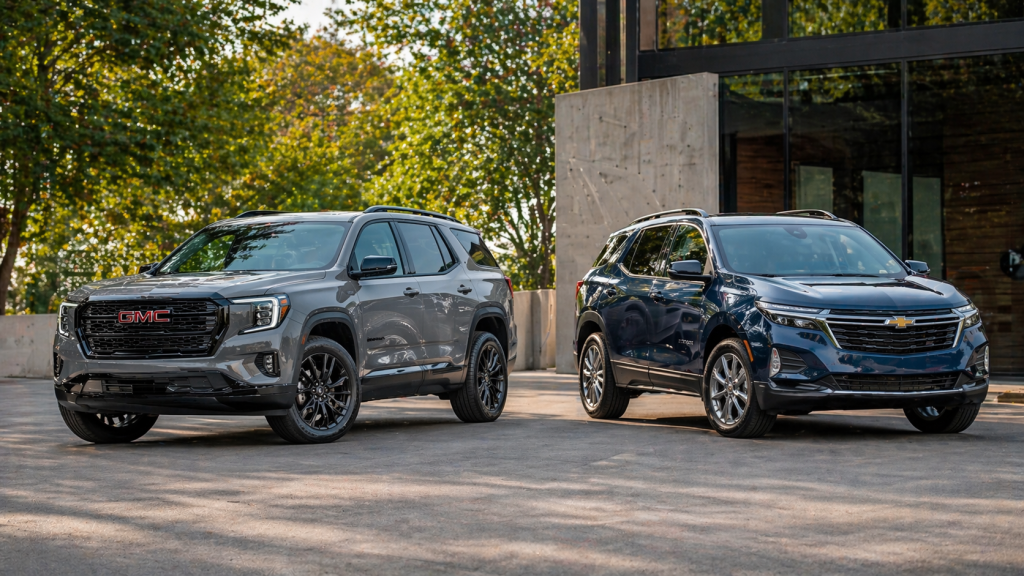
GMC designs vehicles with purpose, built around how you actually drive, carry passengers, and move through your day. When comparing the GMC Terrain and Chevrolet Equinox, it is easy to focus on size or brand preference, but both SUVs share the same underlying platform. That means the real differences come from how each vehicle is tuned, how space is arranged, and how technology is delivered to the driver. For shoppers in Gonzales, the decision is not about which SUV is better in general. It is about which one works better for your daily routine, your passengers, and how you interact with your vehicle. How GMC Terrain And Chevrolet Equinox Share The Same Platform Many drivers ask what the difference is between the GMC Terrain and Chevrolet Equinox. A shared platform means both vehicles are built using the same structural architecture, including chassis design, engine options, and drivetrain layout. In both the GMC Terrain and Chevrolet Equinox, this shared platform supports a compact SUV footprint with similar exterior dimensions and mechanical capability. Where they differ is in how that platform is tuned and refined. The GMC Terrain is calibrated to deliver a more controlled and stable ride, with steering and suspension tuned for a slightly firmer response. The Chevrolet Equinox uses the same foundation but is tuned for a softer ride that absorbs road imperfections more gradually. more Both vehicles use the same core structure and engine systems Suspension tuning changes how the vehicle responds to the road Steering calibration influences how direct or relaxed the vehicle feels This matters because even with the same foundation, the driving experience can feel noticeably different depending on tuning. How Size And Interior Space Compare In Real Use Drivers often want to know whether the GMC Terrain is bigger than the Chevrolet Equinox. Interior space refers to how seating position, legroom distribution, and cabin layout affect comfort across all seats. While both vehicles are very close in overall dimensions, the way the cabin is arranged changes how that space feels in daily use. In the GMC Terrain, seating height and positioning create a more upright posture, which improves forward visibility and gives the driver a clearer sense of control. In the Chevrolet Equinox, seating is slightly lower and more reclined, which changes how passengers experience legroom and overall openness. Interior Measurement GMC Terrain Chevrolet Equinox Seating Position Height Slightly higher hip point for better forward visibility Slightly lower hip point for more relaxed posture Driver Sightline More vertical viewing angle over hood More angled viewing position Rear Seat Legroom Use More upright seatback supports knee positioning Slightly more reclined seatback changes leg extension Headroom Feel More vertical head clearance due to posture Similar headroom, but posture changes perception Entry and Exit Higher seat position reduces step down motion Lower seat position requires more bend when entering This difference is subtle on paper but becomes more noticeable during longer drives, especially when switching between drivers or carrying passengers regularly. How Cargo Space And Layout Affect Daily Practicality Drivers often ask how cargo space compares, but cargo space is not just about total volume. It is about how easily that space can be used when carrying real items. Both the GMC Terrain and Chevrolet Equinox offer similar maximum cargo capacity when the rear seats are folded. The difference comes down to shape and access. In the GMC Terrain, the cargo area has a more squared off design, which allows boxes, luggage, and structured items to sit more evenly. In the Chevrolet Equinox, the cargo opening and floor layout can feel slightly wider depending on configuration, which may help with irregularly shaped items. Terrain cargo area supports stacking and organized loading Equinox cargo area allows more flexibility for uneven items Both expand similarly when rear seats are folded For drivers who regularly carry gear, groceries, or equipment, these layout differences can influence usability more than total space. How Technology And Features Differ Between Terrain And Equinox Drivers often compare which SUV has better technology, but technology is not just about features. It refers to how the infotainment system, controls, and connectivity are structured and how easily they can be used while driving. In the GMC Terrain, controls and displays are positioned to keep driver inputs closer to the natural line of sight. This reduces the need to look away from the road and supports more deliberate interaction. In the Chevrolet Equinox, controls are designed to be straightforward and immediately usable, with menu structures that prioritize quick access over layered control. Technology Function GMC Terrain Chevrolet Equinox Screen Positioning Higher placement, closer to driver eye level Slightly lower placement, more centered in dash Menu Structure Layered menus with more control options per screen Simpler menus with fewer steps to access features Physical Controls More dedicated buttons and knobs for key functions Greater reliance on touchscreen inputs Driver Interaction Designed to reduce eye movement away from road Designed for quick recognition and use Smartphone Integration Integrated into system layout with controlled navigation Direct access with simplified app switching Both vehicles support Apple CarPlay, Android Auto, and connected features. The difference is how those features are accessed and controlled while driving. For drivers, this means choosing between a system that prioritizes structured control or one that prioritizes immediate usability. How To Choose Based On Driving Needs And Lifestyle Choosing between the GMC Terrain and Chevrolet Equinox comes down to how you want your vehicle to feel during everyday use. If you prefer a more upright driving position, a controlled ride, and technology that is structured around driver focus, the GMC Terrain aligns with that experience. If you prefer a more relaxed seating position, a softer ride, and technology that is easy to access right away, the Chevrolet Equinox may feel more natural. Consider how you prefer to sit and view the road Think about how often you adjust settings while driving Evaluate how you use cargo space during daily routines For drivers in Gonzales, where daily driving includes a mix of traffic, errands, and longer trips, the right choice is the one that fits how you move through your day.

GMC Yukon Vs Yukon XL Which SUV Fits Growing Louisiana Families In 2026

GMC designs its full size SUVs to support how families move, not just where they go. The GMC Yukon and Yukon XL share the same foundation, the same capability, and the same design language, yet they are built to solve different problems. For growing Louisiana families, the decision is not simply about choosing the larger vehicle. It is about understanding how space, structure, and daily usability change between the two. The difference between Yukon and Yukon XL is not about features. It is about how those features are experienced when passengers, cargo, and real routines come into play. How Yukon And Yukon XL Are Built On The Same Platform With Different Dimensions Many drivers ask what the difference is between the GMC Yukon and Yukon XL. The difference is defined by length and wheelbase, which directly influence how space is distributed throughout the vehicle. Both the Yukon and Yukon XL are built on the same underlying platform. This means they share powertrains, technology, and core engineering. The Yukon XL extends that platform by increasing the wheelbase and overall length, which changes how interior space is allocated. In a GMC Yukon, the shorter wheelbase creates a more compact footprint. In the Yukon XL, the extended structure increases distance between the axles, allowing more room behind the third row and additional passenger space. more Yukon uses a shorter wheelbase for a more compact overall size Yukon XL extends the wheelbase to increase interior volume Both maintain the same core systems and capability This structural difference matters because it determines how usable the interior space becomes when the vehicle is fully occupied. How Length And Wheelbase Change Third Row Space Families often want to know which GMC SUV offers more usable third row space. Third row space refers to the amount of legroom, headroom, and seating comfort available for passengers in the rear most seats. In the GMC Yukon, the third row is designed to accommodate passengers, but space becomes more limited when the vehicle is fully loaded. The shorter wheelbase means less distance between seating rows. In the GMC Yukon XL, the extended wheelbase increases the spacing between rows. This allows for more legroom and a more natural seating position in the third row. Increased wheelbase creates more legroom for rear passengers Seating positions feel less compressed in the Yukon XL Longer interior layout supports more consistent comfort across all rows For families with older children or frequent third row use, this difference becomes noticeable during longer drives. How Cargo Space Actually Differs In Daily Use Drivers often ask whether the Yukon XL has more cargo space, but the real question is how that space works in everyday situations. Cargo space refers not just to volume, but to usable depth behind the third row. In the GMC Yukon, cargo space behind the third row is more limited. When all seats are occupied, storage must be managed carefully, especially for larger items. In the GMC Yukon XL, the added length significantly increases cargo depth. This allows more room for luggage, sports equipment, or everyday items without needing to fold seats. Yukon XL provides deeper cargo space behind the third row Yukon requires more frequent seat adjustments for larger loads Additional cargo depth improves flexibility for family use This difference becomes important during travel, school activities, and daily routines where both passengers and cargo need to fit at the same time. How Size Impacts Driving And Maneuverability Another concern is whether the larger Yukon XL is harder to drive. Size impacts how a vehicle responds in tight spaces, during parking, and in everyday maneuvering. In the GMC Yukon, the shorter length makes it easier to navigate urban environments, park in smaller spaces, and manage tighter turns. The GMC Yukon XL, while larger, is designed to maintain control and stability. The longer wheelbase provides a more planted feel at higher speeds, but it requires more awareness in confined areas. Shorter length improves maneuverability in tight spaces Longer wheelbase enhances stability on open roads Parking and turning require more space in the Yukon XL For drivers, this means the choice involves balancing ease of movement with the benefits of added space. How To Choose Based On Family Size And Lifestyle Needs Choosing between the GMC Yukon and Yukon XL depends on how your family uses space every day. The decision is not about choosing the larger vehicle by default. It is about choosing the vehicle that aligns with your routine. If your daily driving involves moderate passenger use and occasional cargo needs, the GMC Yukon provides a balanced solution that is easier to manage in tighter environments. If your routine includes full seating, frequent travel, or the need to carry both passengers and cargo at the same time, the GMC Yukon XL offers the additional space required to support that lifestyle. Consider how often the third row will be used Evaluate how much cargo space is needed with all seats occupied Think about driving environments and parking conditions For Louisiana families, where travel, activities, and daily movement vary, this decision becomes clearer when viewed through real use rather than specifications.

Gonzales SUV Shopping: What Drivers Look For in Space, Safety & Technology

SUV shopping in Gonzales is driven by comparison. Most buyers are not looking at just one vehicle. They are evaluating multiple options at the same time, trying to understand how differences in space, safety, and technology will impact their daily driving experience. The challenge is not a lack of information. It is understanding how that information applies to real life. Measurements, feature lists, and safety ratings all provide value, but they do not always explain how an SUV will function once it becomes part of a routine. When these factors are evaluated through the lens of everyday use, the decision becomes more clear and more confident. How Interior Space Functions in Real Life Interior space is one of the first things SUV shoppers compare, but raw numbers only tell part of the story. Legroom, headroom, and overall dimensions matter, but how that space is arranged has a greater impact on comfort. Seat positioning plays a key role in how spacious an SUV feels. The angle of the seatback, the height of the seating position, and the distance between rows all contribute to passenger comfort. Two SUVs with similar interior measurements can feel very different depending on how that space is designed. more For families, second-row accessibility and spacing are especially important. Getting in and out of the vehicle, installing car seats, and managing passengers all rely on how easily the interior can be used rather than how large it appears on paper. Front-seat space also matters for daily drivers. Visibility, reach to controls, and overall driving position influence comfort during commutes and longer trips. These elements are often overlooked but play a significant role in how the vehicle feels over time. Understanding how interior space works beyond measurements helps buyers choose an SUV that fits their routine, not just their expectations. How Cargo Space Changes With Use Cargo space is often presented as a single number, but in reality, it changes depending on how the vehicle is configured. This is one of the most important factors for buyers who rely on their SUV for more than just passenger transport. With all seats in place, cargo space is typically limited to smaller items like groceries, bags, or everyday essentials. This setup works well for daily errands but may not support larger loads. Folding the rear seats expands the available space significantly, making room for larger items such as luggage, sports equipment, or home improvement materials. However, this also reduces passenger capacity, which creates a trade-off between space and seating. For families, this balance becomes part of everyday decision-making. A vehicle that can quickly transition between passenger and cargo use provides greater flexibility, especially for road trips or busy schedules. Looking at how cargo space functions in different configurations gives a more accurate understanding of what the SUV can handle. How Safety Systems Operate in Real Driving Conditions Safety is a priority for most SUV shoppers, but many of the systems designed to improve safety are not fully understood. Feature names alone do not explain how these systems behave on the road. Automatic emergency braking, for example, is designed to detect potential collisions and apply braking if the driver does not respond in time. This system works in specific conditions and is most effective at certain speeds, which means understanding its limitations is just as important as knowing it exists. Lane keep assist helps maintain vehicle positioning by making small steering adjustments when the vehicle begins to drift. It is not a replacement for driver control but rather a support system that enhances awareness. Blind zone alerts monitor areas that are difficult to see using mirrors alone. These systems provide visual or audible warnings when another vehicle is detected, helping reduce the risk of lane-change incidents. When buyers understand how these systems function in real scenarios, they can better evaluate which features provide meaningful value for their driving habits. How Technology Impacts Everyday Use Technology has become a central part of the SUV experience, but its value depends on how easily it integrates into daily driving. A long list of features does not always translate to a better experience. Infotainment systems are often the primary interface between driver and vehicle. Screen size, responsiveness, and menu structure all affect how quickly information can be accessed. Systems that are intuitive reduce distraction and improve usability. Smartphone integration, such as Apple CarPlay and Android Auto, allows drivers to connect familiar apps directly to the vehicle. This simplifies navigation, communication, and media control, making the transition between devices seamless. Driver information displays also contribute to the overall experience. Clear, easy-to-read layouts help drivers stay informed without taking attention away from the road. Technology that is designed with usability in mind becomes part of the driving experience rather than a distraction from it. How Different Buyers Approach SUV Decisions SUV shoppers often have different priorities based on how they plan to use the vehicle. Identifying these priorities early helps narrow down the right type of SUV. Smaller households or commuters may focus on efficiency, ease of driving, and compact size. These buyers often prioritize maneuverability and fuel economy over maximum space. Growing families typically need more flexibility. Passenger space, safety features, and cargo adaptability become more important as daily routines become more complex. Drivers who travel frequently or take longer trips may prioritize comfort, seating support, and technology that enhances the driving experience over extended periods. Cargo-focused buyers often look for maximum storage capability and interior flexibility. Their needs are driven by what they carry rather than how many passengers they transport. Each of these approaches leads to a different evaluation process, even when considering similar vehicles. Why Local SUV Shopping Behavior Matters in Gonzales Search behavior shows that many SUV shoppers begin with location-based queries, reflecting a preference for convenience and accessibility. This local focus influences how decisions are made. Access to inventory is one of the most immediate advantages of shopping locally. Being able to see multiple SUVs in person allows buyers to compare space, features, and configurations more effectively than online research alone. Test driving also plays a critical role. Experiencing how an SUV feels on local roads provides insight that cannot be gained through specifications or reviews. Service proximity is another factor that shapes long-term ownership. Routine maintenance and unexpected repairs are easier to manage when the dealership is nearby, reducing disruption to daily schedules. Local dealerships also bring an understanding of regional driving conditions and lifestyle needs. This context helps align vehicle recommendations with how buyers will actually use their SUV. Making a Confident SUV Decision SUV shopping is not about finding the vehicle with the most features. It is about understanding how space, safety, and technology work together to support everyday driving. When buyers evaluate how an SUV fits into their routine, how its features function in real conditions, and how it will be supported over time, the decision becomes more straightforward. The result is an SUV that not only meets expectations but continues to perform in ways that matter long after the purchase.

How Gonzales Truck Shoppers Evaluate Capability, Pricing & Dealer Experience

Truck shopping in Gonzales is rarely a single-decision process. Most buyers move through a comparison phase where capability, pricing, and dealership experience all compete for priority. The challenge is not finding options. It is understanding how those options translate into real-world ownership. This is where many shoppers get stuck. Specs are easy to compare. Outcomes are not. A truck that looks strong on paper may not align with how it will actually be used day to day. A lower price may not represent better value once long-term costs and dealer support are considered. Understanding how to evaluate each of these areas together is what leads to a confident purchase decision. How Capability Translates to Real-World Use Capability is often the first filter in truck shopping, but it is also the most misunderstood. Numbers like towing capacity and payload are important, but they only matter when they align with how the truck will actually be used. Towing capacity reflects how much weight a truck can pull behind it, but real-world towing depends on more than a single number. Trailer type, terrain, and frequency of use all impact how that capacity feels in practice. A buyer towing occasionally on flat roads has very different needs than someone hauling equipment daily. more Payload capacity is equally important, especially for work-focused buyers. This measures how much weight the truck can carry in the bed and cabin combined. Tools, materials, and passengers all count toward that number, which means it directly affects how the truck performs under load. Engine performance ties both of these together. Torque plays a major role in how a truck accelerates with weight, while transmission tuning determines how smoothly that power is delivered. Two trucks with similar horsepower can feel very different depending on how they are engineered to handle load and movement. For many buyers, the right decision comes down to matching capability to actual use rather than choosing the highest available numbers. How Pricing Is Evaluated Across Dealerships Pricing is rarely as straightforward as it appears. Most shoppers begin by comparing listed prices across multiple dealerships, but those numbers do not always reflect the full picture. Vehicle pricing typically starts with MSRP, but dealership pricing can vary based on incentives, market demand, and inventory availability. Discounts, rebates, and financing offers can shift the total cost significantly, which is why two similar trucks may appear differently priced at first glance. Trade-in value is another major factor. Many buyers focus on the price of the new truck without considering how their current vehicle affects the final transaction. A stronger trade-in offer can offset a higher vehicle price, resulting in a better overall deal. Financing also plays a role in how pricing is experienced. Interest rates, loan terms, and monthly payment structures all contribute to the long-term cost of ownership. A lower monthly payment does not always mean a lower total cost. Shoppers who evaluate pricing effectively look beyond the initial number and consider the full transaction structure. What Defines a Strong Dealership Experience Price and capability matter, but dealership experience often determines where buyers ultimately choose to purchase. Trust is built through clarity, consistency, and support throughout the process. Inventory selection is one of the first indicators. A dealership with a wide range of trucks allows shoppers to compare trims, configurations, and features in person rather than relying solely on online research. This makes it easier to understand how different setups feel and function. Transparency is equally important. Clear communication around pricing, incentives, and financing options helps buyers feel confident in their decision. When information is easy to understand, the process becomes more efficient and less stressful. Service support also plays a long-term role. A dealership is not just where the vehicle is purchased. It is where maintenance, repairs, and ongoing support will take place. Buyers often factor in the strength of the service department when deciding where to buy. Reviews and reputation reinforce all of these elements. Consistent positive feedback around customer experience, service quality, and communication provides a clearer picture of what to expect. How Different Buyers Evaluate Trucks Not all truck shoppers are looking for the same outcome. Understanding your primary use case helps narrow down the right combination of capability, pricing, and features. Work-focused buyers prioritize durability and performance under load. Towing capacity, payload strength, and long-term reliability are central to their decision. Interior features matter less than how the truck performs in demanding conditions. Daily drivers often look for balance. Fuel efficiency, ride comfort, and technology features become more important, especially for those using their truck for commuting or family use. Capability still matters, but it is not the only priority. Mixed-use buyers fall somewhere in between. They need a truck that can handle occasional towing or hauling while still being comfortable for everyday driving. Flexibility becomes the key factor in their decision. Each of these buyer types approaches the same vehicles differently, which is why understanding personal use is essential before comparing options. How Ownership Costs Influence the Decision The cost of owning a truck extends beyond the purchase price. Fuel, maintenance, and long-term wear all contribute to the overall investment. Engine size and drivetrain configuration directly affect fuel consumption. Larger engines and four-wheel drive systems provide greater capability but often come with higher fuel costs. For buyers who drive frequently, this can become a significant factor over time. Maintenance requirements also vary based on how the truck is used. Trucks that regularly tow or carry heavy loads may require more frequent servicing. Tire wear, brake maintenance, and suspension components all experience additional strain under these conditions. Insurance costs can differ as well, depending on the truck’s value, configuration, and usage. These ongoing expenses are often overlooked during the initial purchase process but play a role in long-term affordability. Evaluating ownership costs alongside capability and pricing creates a more complete picture of what the truck will require over time. Why Local Shopping Behavior Matters in Gonzales Search behavior shows that many buyers begin with “near me” queries, reflecting a preference for convenience and accessibility. Local dealerships offer advantages that extend beyond proximity. Availability is one of the most immediate benefits. Being able to see and test drive a vehicle without delay helps buyers move through the decision process more efficiently. It also allows for quicker adjustments if a different configuration is needed. Service access is another factor. Routine maintenance and unexpected repairs are easier to manage when the dealership is nearby. This reduces downtime and simplifies scheduling over the life of the vehicle. Local knowledge also plays a role. Dealerships in Gonzales understand the driving conditions, work demands, and lifestyle needs specific to the area. This context helps align recommendations with real-world use rather than generic assumptions. For many buyers, these factors make local purchasing not just convenient, but practical. Making a Confident Truck Decision Truck shopping is not about choosing the highest capability or the lowest price in isolation. It is about understanding how capability, pricing, and dealership experience work together to support long-term ownership. When buyers take the time to evaluate how a truck will actually be used, how pricing is structured, and how a dealership supports them beyond the sale, the decision becomes clearer. The result is not just a better purchase, but a better ownership experience overall.

GMC Terrain vs Acadia: Which SUV Fits Your Daily Driving and Space Needs

Choosing between the GMC Terrain and GMC Acadia comes down to how size, seating, and capability translate into everyday use. Many shoppers comparing these SUVs are trying to understand what the difference between a compact SUV and a midsize SUV actually means when it comes to commuting, family needs, and long-term ownership. While both models reflect GMC’s focus on practical design and modern technology, the way each vehicle is engineered creates very different outcomes in how they handle daily driving, passenger space, cargo flexibility, and towing capability. This guide breaks down how the GMC Terrain and GMC Acadia differ by explaining how their structure and intended purpose affect real-world driving and ownership decisions. Compact SUV vs Midsize SUV: What Changes in Real Driving Many shoppers ask what the difference between the GMC Terrain and GMC Acadia actually means beyond size. A compact SUV is a smaller two-row vehicle designed for efficient daily driving and easier maneuverability, while a midsize SUV is a larger vehicle that prioritizes passenger capacity and expanded interior space, often with a third row. The GMC Terrain compact SUV uses a shorter overall length and tighter wheelbase, which directly improves turning behavior and parking control. A shorter wheelbase reduces the distance between axles, allowing the GMC Terrain to rotate more easily during low-speed maneuvers such as navigating parking lots or making tight turns. more The GMC Acadia midsize SUV uses a longer wheelbase and larger overall body structure. This increases interior volume but also requires a wider turning arc. The added length changes how the vehicle behaves in confined environments, requiring more space to complete turns and park. For daily driving, this creates a clear distinction. The GMC Terrain daily driving fit favors drivers who regularly navigate tight spaces, while the GMC Acadia daily driving experience prioritizes interior room and stability over compact maneuverability. Passenger Space and Seating Needs Shoppers often ask which GMC SUV is better for families, and the answer depends on how many passengers you need to accommodate on a regular basis. The GMC Terrain seating capacity supports up to five passengers across two rows, while the GMC Acadia three-row seating expands capacity up to eight passengers. The difference is not just in seat count but in how the cabin is arranged. The GMC Terrain interior focuses on maximizing space within a two-row layout, creating a more open cargo area behind the second row. In contrast, the GMC Acadia interior distributes space across three rows, which requires a different balance between passenger seating and cargo storage. From a design standpoint, adding a third row changes how seat spacing and legroom are allocated. The GMC Acadia uses a longer cabin to maintain usable second- and third-row seating positions, while the GMC Terrain concentrates space into fewer rows for a more open rear cargo area. For buyers evaluating family use, consider how seating needs change over time: The GMC Terrain seating layout works well for individuals, couples, or smaller families with occasional rear passenger use The GMC Acadia three-row layout supports larger households, carpooling, and situations where multiple passengers are a regular part of daily driving Choosing between the two comes down to whether you need consistent passenger capacity or prefer a more flexible two-row layout. Cargo Flexibility for Daily Use and Travel Many shoppers compare GMC Terrain cargo space and GMC Acadia cargo space without understanding how differently that space functions. Cargo flexibility depends on whether the vehicle is configured for passengers or storage at any given time. The GMC Terrain cargo space benefits from its two-row design. With no third row in place, the rear cargo area remains open and accessible, allowing larger items to fit without reconfiguring seating. This makes the GMC Terrain well suited for everyday errands, grocery trips, and transporting gear without sacrificing passenger space. The GMC Acadia cargo space offers significantly more total volume, but that capacity is tied to seat configuration. With all three rows in use, cargo space is more limited. As seats are folded, the available cargo area expands, allowing the GMC Acadia to carry larger loads when fewer passengers are present. This creates two distinct use cases: The GMC Terrain cargo setup provides consistent, always-available storage behind the second row The GMC Acadia cargo setup provides maximum flexibility when alternating between passenger transport and larger cargo loads For buyers who regularly carry passengers and cargo together, understanding this tradeoff is critical to choosing the right SUV. Performance, Power, and Towing Differences Another key question is how the GMC Terrain towing capacity compares to the GMC Acadia towing capacity and what that means for real-world use. Towing capacity is the maximum weight a vehicle can pull when properly equipped, and it reflects both engine output and structural design. The GMC Terrain towing capacity reaches up to 1,500 pounds, which aligns with its role as a compact SUV focused on daily driving. This level of capability supports lighter loads such as small utility trailers, bike racks, or compact recreational equipment. The GMC Acadia towing capacity reaches up to 5,000 pounds when properly equipped, reflecting its larger engine output and stronger chassis design. The GMC Acadia engine produces significantly more power, allowing it to handle heavier loads such as small campers, larger trailers, or multiple recreational vehicles. From a mechanical perspective, towing capability depends on how the vehicle manages load forces across the frame and drivetrain. The GMC Acadia’s larger structure distributes those forces more effectively, improving stability and control under heavier loads. For buyers comparing capability, the distinction is clear. The GMC Terrain supports light-duty utility, while the GMC Acadia is designed for more demanding towing scenarios and heavier family-use applications. Which GMC SUV Makes More Sense for Your Driving Routine Many shoppers ultimately want to know whether the GMC Terrain or GMC Acadia is the better choice for their lifestyle. The answer depends on how often space, passenger capacity, and capability are needed versus how important daily driving convenience is. The GMC Terrain is the right fit for drivers who prioritize: Easier maneuverability in parking lots and urban environments A consistent cargo area without needing to reconfigure seating A right-sized SUV for commuting and smaller households The GMC Acadia is the better fit for drivers who need: Three-row seating for larger families or frequent passengers Greater cargo capacity when seats are folded for travel or gear Stronger towing capability for recreational or utility use Understanding how each SUV is engineered for different types of use is the key to making the right decision. The GMC Terrain delivers efficiency and simplicity for everyday driving, while the GMC Acadia provides the space and capability needed for expanding families and more demanding workloads.

Contact Us

Fill out this form below and we'll contact you shortly
*Required Fields