

Ross Downing GMC of Gonzales

Blog / Gonzales GMC Dealer

GMC Yukon Vs Yukon XL Which SUV Fits Growing Louisiana Families In 2026

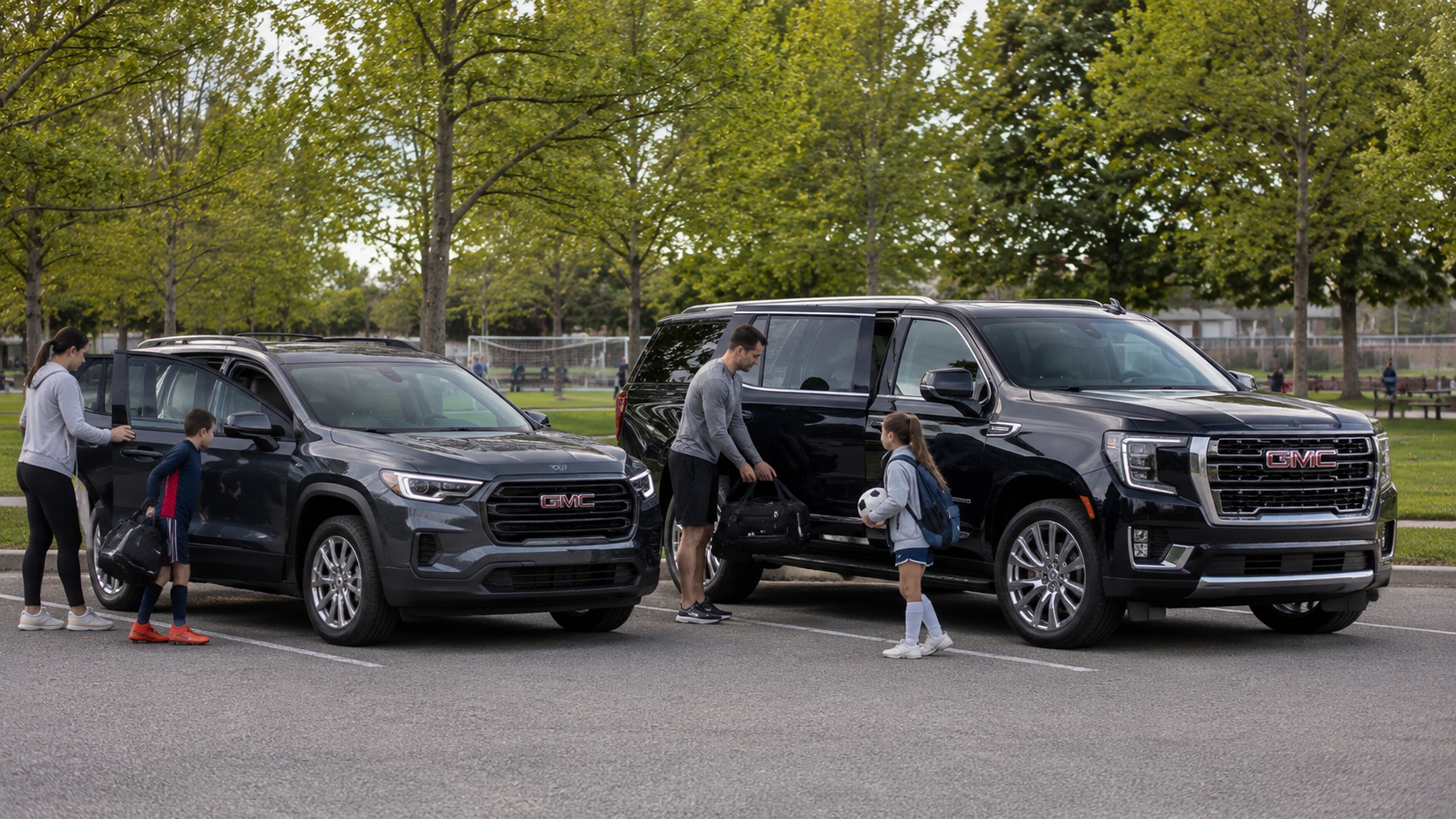
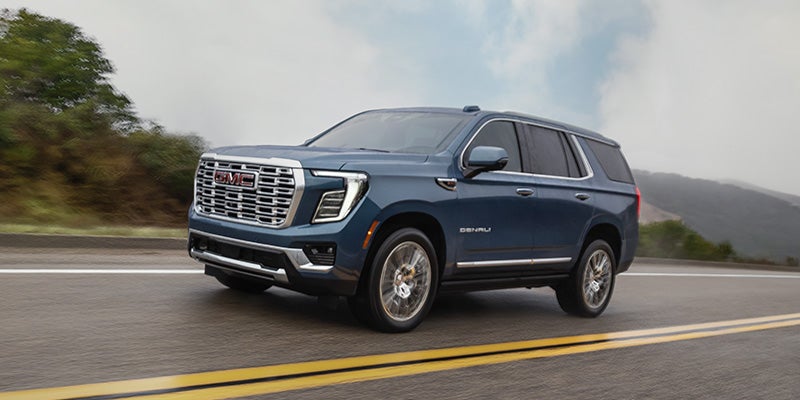
GMC designs its full size SUVs to support how families move, not just where they go. The GMC Yukon and Yukon XL share the same foundation, the same capability, and the same design language, yet they are built to solve different problems. For growing Louisiana families, the decision is not simply about choosing the larger vehicle. It is about understanding how space, structure, and daily usability change between the two. The difference between Yukon and Yukon XL is not about features. It is about how those features are experienced when passengers, cargo, and real routines come into play.

How Yukon And Yukon XL Are Built On The Same Platform With Different Dimensions

Many drivers ask what the difference is between the GMC Yukon and Yukon XL. The difference is defined by length and wheelbase, which directly influence how space is distributed throughout the vehicle.

Both the Yukon and Yukon XL are built on the same underlying platform. This means they share powertrains, technology, and core engineering. The Yukon XL extends that platform by increasing the wheelbase and overall length, which changes how interior space is allocated.

In a GMC Yukon, the shorter wheelbase creates a more compact footprint. In the Yukon XL, the extended structure increases distance between the axles, allowing more room behind the third row and additional passenger space.

  • Yukon uses a shorter wheelbase for a more compact overall size
  • Yukon XL extends the wheelbase to increase interior volume
  • Both maintain the same core systems and capability

This structural difference matters because it determines how usable the interior space becomes when the vehicle is fully occupied.

How Length And Wheelbase Change Third Row Space

Families often want to know which GMC SUV offers more usable third row space. Third row space refers to the amount of legroom, headroom, and seating comfort available for passengers in the rear most seats.

In the GMC Yukon, the third row is designed to accommodate passengers, but space becomes more limited when the vehicle is fully loaded. The shorter wheelbase means less distance between seating rows.

In the GMC Yukon XL, the extended wheelbase increases the spacing between rows. This allows for more legroom and a more natural seating position in the third row.

  • Increased wheelbase creates more legroom for rear passengers
  • Seating positions feel less compressed in the Yukon XL
  • Longer interior layout supports more consistent comfort across all rows

For families with older children or frequent third row use, this difference becomes noticeable during longer drives.

How Cargo Space Actually Differs In Daily Use

Drivers often ask whether the Yukon XL has more cargo space, but the real question is how that space works in everyday situations. Cargo space refers not just to volume, but to usable depth behind the third row.

In the GMC Yukon, cargo space behind the third row is more limited. When all seats are occupied, storage must be managed carefully, especially for larger items.

In the GMC Yukon XL, the added length significantly increases cargo depth. This allows more room for luggage, sports equipment, or everyday items without needing to fold seats.

  • Yukon XL provides deeper cargo space behind the third row
  • Yukon requires more frequent seat adjustments for larger loads
  • Additional cargo depth improves flexibility for family use

This difference becomes important during travel, school activities, and daily routines where both passengers and cargo need to fit at the same time.

How Size Impacts Driving And Maneuverability

Another concern is whether the larger Yukon XL is harder to drive. Size impacts how a vehicle responds in tight spaces, during parking, and in everyday maneuvering.

In the GMC Yukon, the shorter length makes it easier to navigate urban environments, park in smaller spaces, and manage tighter turns.

The GMC Yukon XL, while larger, is designed to maintain control and stability. The longer wheelbase provides a more planted feel at higher speeds, but it requires more awareness in confined areas.

  • Shorter length improves maneuverability in tight spaces
  • Longer wheelbase enhances stability on open roads
  • Parking and turning require more space in the Yukon XL

For drivers, this means the choice involves balancing ease of movement with the benefits of added space.

How To Choose Based On Family Size And Lifestyle Needs

Choosing between the GMC Yukon and Yukon XL depends on how your family uses space every day. The decision is not about choosing the larger vehicle by default. It is about choosing the vehicle that aligns with your routine.

If your daily driving involves moderate passenger use and occasional cargo needs, the GMC Yukon provides a balanced solution that is easier to manage in tighter environments.

If your routine includes full seating, frequent travel, or the need to carry both passengers and cargo at the same time, the GMC Yukon XL offers the additional space required to support that lifestyle.

  • Consider how often the third row will be used
  • Evaluate how much cargo space is needed with all seats occupied
  • Think about driving environments and parking conditions

For Louisiana families, where travel, activities, and daily movement vary, this decision becomes clearer when viewed through real use rather than specifications.
Posted in:

Related Posts

How Long Does It Take to Charge an Electric Car at Home

How Long Does It Take to Charge an Electric Car at Home

How long does it take to charge an electric car at home in Gonzales? Charging time comes from two numbers: battery energy needed and available home charging power. Therefore, one universal hour estimate cannot describe every charging session. In addition, a short commute may need only a modest refill. A long trip may require many more kilowatt hours before morning. Home Charging Time Starts With Charging Level Home AC charging uses either a 120 volt Level 1 source or a 240 volt Level 2 source. Level 1 sends power slowly through a standard household outlet. By contrast, Level 2 uses a higher voltage and can deliver far more power. Charging power is measured in kilowatts. Battery energy is measured in kilowatt hours. Therefore, a charger rated at more kilowatts can add energy faster when the GMC EV can accept that rate. Moreover, the EV also sets an AC charging limit. For this reason, a wall charger cannot force more power into the battery than the onboard charger accepts. The final rate follows the lower supported number between the charging equipment and the EV. That detail matters for GMC models with large battery packs. A HUMMER EV or Sierra EV can need substantial energy after a long trip. However, the same model may need only a small refill after local errands. How Long Does Level 1 Charging Take at Home? Level 1 charging uses 120 volt AC power and delivers relatively low charging power. GMC's Dual Level Charge Cord can use a standard outlet at up to 1.4 kW. Therefore, at that rate, charging happens gradually across many hours. The EPA estimates Level 1 can add roughly three to five miles of range each hour. Therefore, twelve hours plugged in may replace about 36 to 60 miles under favorable circumstances. That estimate works best as a planning range, not a promise. Battery temperature, outlet quality, charging settings, and energy losses can change what reaches the battery. Still, Level 1 can cover short daily mileage when the EV remains plugged in overnight. Consider a Gonzales owner who drives 25 miles between home, work, school, and errands. Level 1 may replace much of that energy before morning. However, a driver covering 80 miles each day may recover too slowly for the same routine. Level 1 also gives owners a simple entry point. No dedicated 240 volt circuit is needed when an approved household outlet is available. Even so, the outlet should be in good condition and suitable for continuous charging loads. How Much Faster Is Level 2 Charging? Level 2 charging uses 240 volt AC power and delivers far more energy each hour. GMC supports several home charging rates through compatible equipment and EV hardware. The Dual Level Charge Cord can provide up to 7.7 kW from a compatible 240 volt source. GM PowerUp 2 can provide up to 11.5 kW when properly hardwired. Some compatible GMC EV setups can support still higher AC charging rates. Therefore, Level 2 can replace a large share of daily energy during one overnight parking period. EPA guidance places many Level 2 setups near 25 to 40 miles of added range each hour. A 7.7 kW setup and an 11.5 kW setup will not refill the same battery at identical speeds. The higher power source can add more energy each hour when the EV supports it. Consequently, charger selection should start with the model's AC charging limit. The electrical circuit matters too. Higher output equipment may require hardwiring and a dedicated circuit. In addition, the home's electrical panel must have enough available capacity for the planned charging load. For many GMC EV owners, Level 2 fits overnight charging well. It can restore energy from longer commutes or repeated family trips before the next morning. Still, the correct rate should match the EV, the house, and the owner's mileage. What Changes a GMC EV Charging Estimate The charging estimate can move after you plug in because several inputs change during the session. Battery state is the first major input. A battery at 70 percent needs far less energy than one at 20 percent. Charging equipment is another input. Therefore, switching from Level 1 to Level 2 can cut the time needed for the same energy refill. The EV's onboard AC limit also caps the incoming power. Temperature can change charging speed as well. Batteries charge differently when they are very hot or cold. As a result, the EV may adjust charging power while it manages battery temperature. Charging settings also matter. A scheduled charging window can delay the start time. Likewise, a selected charge target may stop charging before the battery reaches 100 percent. The displayed finish time can change as these inputs change. However, that does not mean something is wrong. The estimate updates as the EV reads battery needs and available power. For this reason, owners should compare repeated charging patterns instead of focusing on one night. A week of normal charging gives a clearer view of how long the household routine needs. Plan a Gonzales Home Charging Setup Around Daily Miles Home charging works best when the setup matches the miles you need to replace between trips. Start by estimating how far the GMC EV travels on a normal weekday. Then note how many hours it usually remains parked at home. A short commute may need only a small nightly refill. Therefore, Level 1 may cover the schedule for some owners. Longer commutes or frequent evening trips may point toward Level 2. Next, check the GMC EV's supported AC charging rate. Then compare that number with the charging equipment under consideration. A charger with a larger rating will not exceed the EV's own AC limit. An electrician should inspect the home before higher power Level 2 equipment is installed. The inspection can cover panel capacity, circuit size, wiring, breaker requirements, and charger location. In addition, hardwired installation may support higher output than a portable cord setup. Think about where the charging cable will reach each night. The parking position, charger location, and cable path should make plugging in easy. Therefore, installation planning should include the driveway or garage layout, not only electrical ratings. The most useful charging plan is the one that restores the energy your household uses between trips. You may not need an empty to full charge every night. Instead, home charging can work like replacing the miles you used that day. For Gonzales GMC EV owners, the answer starts with daily miles, charging hours, and available home power. Level 1 can serve lighter travel schedules. Level 2 can restore energy much faster for longer routes and larger battery needs. Therefore, matching the charger to your routine can make overnight charging simple and predictable.

GMC SUV Acadia and Yukon XL for Gonzales Lifestyles

GMC SUV Acadia and Yukon XL for Gonzales Lifestyles

GMC SUV Acadia and Yukon XL choices can lead Gonzales families toward very different daily driving routines. Both provide three rows and room for up to eight with the right seating layout. However, they occupy very different amounts of road, driveway, and garage space. Therefore, your weekly schedule should guide the comparison from the start. In addition, passenger count matters alongside cargo needs, parking spaces, commute miles, and trip frequency. How Much SUV Do You Want to Drive Every Day? The GMC Acadia is a midsize three row SUV with a shorter exterior footprint. The Yukon XL is a full size three row SUV with far more overall length. That size gap changes how each one fits into a normal weekday. The Acadia measures about 204 inches long. By contrast, the Yukon XL stretches about 225 inches. Therefore, the larger GMC needs roughly 21 more inches from front to rear. That extra length supports a larger cabin and much more cargo room. Still, added length changes parking and garage planning. As a result, a shorter SUV takes less room inside crowded lots and narrow residential spaces. In addition, it can leave more clearance around garage doors, shelves, bikes, and stored equipment. Do you need eight seats or simply three rows? Both GMC models can answer that passenger question. However, row count alone does not settle the size question. The stronger match comes from how frequently you fill those seats and how much space surrounds them. Daily Driving and Parking Around Gonzales Daily driving puts exterior size into context faster than a specification sheet. School pickup, grocery runs, medical appointments, and restaurant parking all involve repeated low speed maneuvering. Therefore, overall length becomes part of every normal trip. The Acadia keeps three rows within a midsize body. That can make it easier to place between parking lines or back from tighter spaces. By contrast, the Yukon XL trades compact dimensions for a much larger interior. Camera views and parking sensors can reduce some difficulty. However, technology does not shorten the body. You still need enough room to turn, stop, and open doors around nearby vehicles. Garage dimensions deserve the same attention. Measure usable depth instead of relying on the listed garage size. Shelving, freezers, tools, and storage bins can reduce the clear area around the SUV. For this reason, a driveway check can reveal more than an exterior dimension table. Families who spend most weekdays moving through Gonzales may favor the Acadia's smaller footprint. By contrast, households with more parking room may accept the Yukon XL's added size easily. The decision should reflect the places you visit every week. How Much Cargo Room Stays Available With Three Rows? Cargo volume behind row three measures storage while every passenger row stays ready. That figure gives family travel a more useful starting point than maximum volume alone. Therefore, it deserves close attention before any rear seat gets folded. The Acadia provides about 23 cubic feet behind its third row. The Yukon XL provides about 41.5 cubic feet behind its third row. That leaves the larger GMC with about 18.5 extra cubic feet while all three rows remain available. What does that mean during a full passenger trip? The extra room can hold more luggage, sports bags, groceries, or stroller gear. However, a household that rarely fills row three may not need that much space every day. Fold the Acadia's third row and cargo room rises to about 57.3 cubic feet. With more seats folded, maximum cargo volume reaches about 97.5 cubic feet. In the Yukon XL, those figures rise to about 93.6 and 144.5 cubic feet. Therefore, cargo frequency matters as much as cargo volume. Large travel loads every month support the case for Yukon XL space. Smaller weekly loads can make Acadia storage easier to justify. Fuel and Price Across Your Weekly Schedule Fuel economy and starting price create another large separation between these GMC SUVs. The Acadia uses a turbocharged four cylinder engine and carries higher gasoline EPA estimates. The Yukon XL uses larger powertrain choices and a heavier full size structure. Current comparison data lists Acadia near 20 city and 26 highway mpg. The Yukon XL gasoline comparison sits near 15 city and 20 highway mpg. Therefore, weekly mileage can make the fuel gap easier to notice. A short commute may keep the difference modest across one month. A longer commute adds more fuel stops and more gallons across the same period. In addition, repeated school and activity trips can raise total weekly mileage quickly. Starting price also separates the two choices. Current comparison data places Acadia around $43,800 and Yukon XL around $72,600 before destination charges and options. That gap should be measured against how much extra room your household will use. If six or seven passengers ride together every week, Yukon XL space can serve a clear purpose. If your household needs three rows only occasionally, Acadia may cover the schedule with less initial spending. Therefore, frequency should guide the price discussion. Match the SUV to the Schedule You Keep GMC SUV Acadia and Yukon XL choices become easier when your weekly routine stays at the center. Start with passenger frequency, then look at cargo, parking, mileage, and travel. Those categories reveal whether added size will work every week. The Acadia fits households that want three rows without moving into a full size footprint. It also gives families a lower starting price and stronger gasoline fuel estimates. Therefore, it suits frequent local driving with occasional larger passenger loads. The Yukon XL fits households that carry people and gear together on a regular schedule. Its larger body leaves far more cargo room behind row three. In addition, folding rear seats opens a very large storage area for trips or bulky items. Before choosing, park each SUV in spaces similar to the ones you use most. Sit in every row your household will fill. Then open the liftgate with those seats still upright. That check shows how the published measurements translate into your own routine. The final choice should feel right on an ordinary Tuesday, not only on a road trip. Acadia keeps three row transportation easier to place around town. Yukon XL gives larger households far more room for people and gear. Therefore, your weekly schedule should make the stronger fit clear.

GMC Terrain vs Chevy Traverse for Gonzales Families

GMC Terrain vs Chevy Traverse for Gonzales Families

GMC Terrain vs Chevy Traverse is a comparison when your family is deciding how much SUV space it truly needs. One model keeps the footprint smaller and seats five. The other adds a third row and much more maximum cargo room. Therefore, the choice starts with passenger count, cargo habits, parking space, and budget. Each difference connects directly to how the cabin is packaged and how much vehicle surrounds it. How Much SUV Space Does Your Family Need? The GMC Terrain is a small SUV with two rows and seating for five. The 2026 model measures 181 inches from bumper to bumper. By contrast, the 2026 Chevrolet Traverse stretches about 204.5 inches and uses three rows. That makes the Traverse roughly 23.5 inches longer before trim specific changes enter the measurement. That extra length gives Chevrolet more room to package another passenger row and a much larger cargo area. However, added length also changes how much garage depth and parking room the SUV needs. A shorter body can feel easier to place in tighter lots or crowded driveways. Therefore, families should measure the spaces they use most before focusing on cabin numbers alone. Can five seats cover school runs, work commutes, errands, and weekend plans? That answer defines the first major split between these SUVs. If five seats cover nearly every trip, Terrain keeps the layout simple. If six or more people ride together every week, Traverse offers seating that better matches that routine. When Does a Third Row Make Sense? A third row gives the Traverse room for passengers beyond the second seating row. Chevrolet lists seating for up to eight on LT with the available second row bench. Z71, RS, and High Country seat seven. By contrast, Terrain provides two rows with space for up to five people. The important question is how frequently those extra seats will carry someone. A third row earns its space when carpools, relatives, or larger households fill it on a regular schedule. Still, an empty third row occupies cabin length that a smaller household may never need. For this reason, seat count should reflect routine trips instead of rare holiday gatherings. Second row layout also changes access. Traverse models with seven seats use second row captain's chairs, leaving a path between them. An eight seat LT uses a bench that adds one seating position across that row. Therefore, families using child seats should consider how passengers will reach row three. Access can matter as much as the published seat count. Terrain avoids that third row decision entirely. Its two row cabin keeps every passenger within the first and second rows. In addition, folding the rear seat opens more room when passenger demand drops. Cargo Space With Passengers Still Seated Cargo measurements only make sense when you know which seats remain upright. The Traverse provides 22.9 cubic feet behind its third row. Fold row three, and space grows to 56.6 cubic feet behind the second row. With both rear rows folded, Chevrolet lists 98 cubic feet of maximum cargo volume. Terrain uses a simpler two row layout. Cargo sits directly behind its second row because there is no third row. Therefore, a family comparing luggage room should match the measurement to the number of occupied rows. Maximum cargo figures do not show how much room remains with every needed passenger seated. Consider a weekend trip with six people. Traverse can keep row three available and still provide 22.9 cubic feet behind it. A five person household can fold that row and gain much more room. By contrast, Terrain works best when five seats cover the passenger plan and cargo fits behind row two. This distinction matters for strollers, sports gear, grocery hauls, and travel bags. Furthermore, cargo shape deserves attention during an in person walkaround. A wide opening, floor height, seat folding pattern, and available storage pockets can change how easily bulky items fit. Price Fuel and Power Across Two SUV Sizes The 2026 Terrain starts at $30,200 before destination charges and options. GMC equips it with a 1.5 liter turbocharged four cylinder engine producing 175 horsepower. Front wheel drive models pair that engine with a continuously variable transmission. GMC lists an EPA estimate of 26 city and 28 highway mpg for that configuration. The 2026 Traverse starts at $40,800 before destination charges and options. Chevrolet equips it with a 2.5 liter turbocharged engine producing 328 horsepower and 326 pound feet of torque. An eight speed automatic transmission comes standard. Chevrolet lists 20 city and 26 highway mpg for front wheel drive. Those numbers show what the larger platform asks from the budget. Traverse costs more at the starting point and carries a larger body. However, that spending also supports another row, more maximum cargo room, and far greater engine output. Terrain asks less at the starting point and uses less fuel in its front wheel drive form. Therefore, a family that rarely needs six seats may prefer the smaller footprint. A household filling three rows can view the higher Traverse cost as payment for space it will use. Choosing the Better Fit for Gonzales Family Life GMC Terrain vs Chevy Traverse becomes easier to sort when you begin with your household schedule. First, count how many people ride together during a normal week. Next, consider what must travel with them. Then, compare those needs with your garage, parking spaces, and monthly driving distance. The Terrain suits families that can stay within five seats and want a shorter SUV. In addition, its lower starting price and stronger front wheel drive fuel estimates can support commuting and errands. Traverse serves households that need a third row or much more cargo room after folding seats. Before choosing either SUV, sit in every row your household expects to use. Bring a child seat if one will ride in the vehicle. Furthermore, open the liftgate and study the cargo floor with required seats upright. That simple check shows whether published volume matches the objects you carry. Both SUVs solve different space problems. Terrain keeps the package smaller and simpler. Traverse expands passenger and cargo choices through a longer three row layout. Therefore, the stronger fit is the one that matches your weekly passenger count, storage needs, parking space, and budget.