

Ross Downing GMC of Gonzales

Blog

All Gonzales GMC Dealer Gonzales GMC Service Ross Downing GMC of Gonzales Service

What Gonzales Drivers Compare When Shopping for GMC Truck Deals in the Area

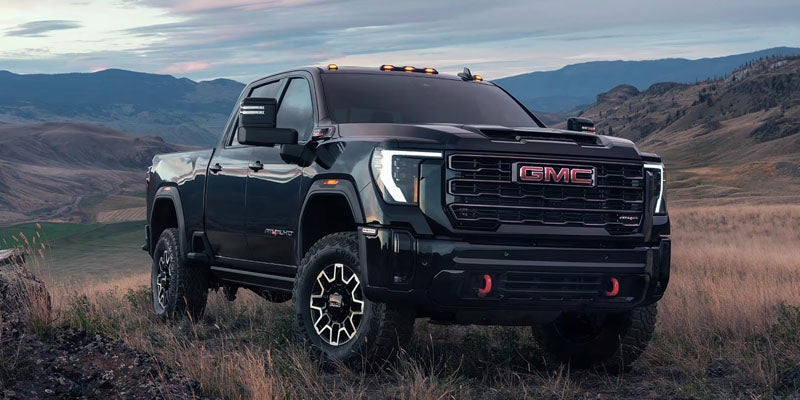
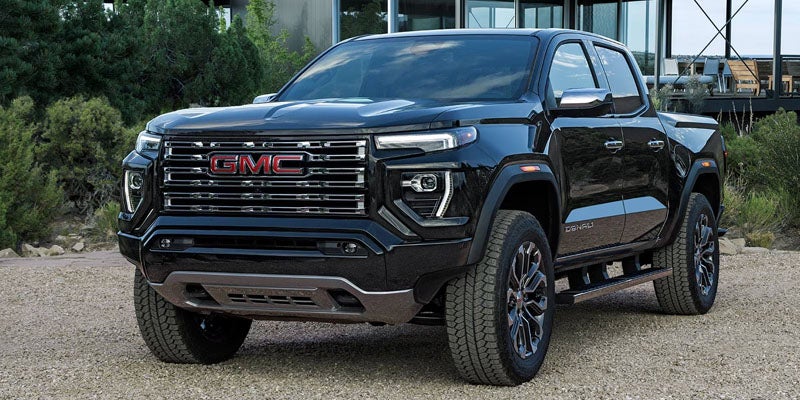
When Gonzales drivers shop for GMC truck deals, the comparison process goes far beyond advertised pricing. Most buyers evaluate how a truck fits their work demands, daily driving needs, and long term ownership expectations before deciding whether a deal actually makes sense. Understanding what experienced truck shoppers compare helps clarify why two trucks with similar prices can represent very different values. This breakdown explains how local buyers typically evaluate GMC truck deals, focusing on equipment, ownership costs, and real world usability rather than surface level discounts. Price Versus Equipment Value One of the first comparisons shoppers make is not price alone, but what that price includes. Two GMC trucks can appear similarly priced while offering very different levels of capability and comfort depending on trim, drivetrain, and installed equipment. Buyers often look closely at: more Engine choice and how torque delivery supports towing or daily driving Drivetrain configuration such as rear wheel drive versus four wheel drive Factory trailering packages and cooling upgrades Interior features that affect daily comfort and usability A lower priced truck without the right equipment may cost more in the long run if it cannot perform required tasks or requires aftermarket upgrades. Trim Level Differences and How They Affect Cost Trim level comparison is central to how Gonzales drivers evaluate truck deals. GMC trims are structured to prioritize different use cases, from work focused configurations to trucks designed for mixed personal and professional use. Shoppers commonly compare: Base trims that prioritize capability and durability Mid level trims that add technology and comfort Higher trims that improve ride quality, cabin materials, and driver assistance Rather than asking which trim is cheapest, many buyers ask which trim delivers the features they will actually use. Paying for unnecessary upgrades can be just as inefficient as buying a trim that lacks essential capability. New Versus Used Truck Evaluation Another major comparison point is whether to buy new or used. Gonzales truck shoppers often evaluate this decision by weighing incentives against depreciation and usage history. New trucks offer: Latest technology and safety systems Full warranty coverage Access to manufacturer incentives that can offset higher MSRP Used trucks offer: Lower upfront cost Proven real world performance Value opportunities for buyers who do not need the latest features Shoppers frequently compare lightly used trucks against new models with incentives to determine which option provides better long term value based on mileage, condition, and expected ownership length. Total Cost of Ownership Considerations Experienced truck buyers look beyond the purchase price to understand how ownership costs affect the overall deal. This includes fuel consumption, maintenance expectations, insurance considerations, and resale value. Key ownership factors often compared include: Engine efficiency based on driving and towing habits Maintenance intervals for powertrain and suspension components Tire replacement costs depending on wheel and tire packages Long term durability under work or towing loads A truck that costs slightly more upfront may deliver lower ownership costs over time, making it the better deal for drivers who plan to keep their truck long term. Incentives and Regional Availability GMC truck incentives can vary by region, timing, and inventory availability. Gonzales buyers often compare how incentives align with the specific truck configuration they want rather than chasing the largest advertised offer. Incentive comparisons typically focus on: Whether incentives apply to specific trims or engines How financing terms affect overall cost Availability of preferred configurations in the local market Inventory levels also play a role. Trucks that are readily available locally can reduce wait times and uncertainty, which many buyers value just as much as pricing differences. Financing and Payment Structure Truck deals are often evaluated through the lens of monthly payment rather than total price. Gonzales drivers commonly compare financing structures to understand how loan terms affect affordability and flexibility. Comparisons often include: Loan length and interest rate impact Down payment requirements Trade in value applied to the purchase Payment differences between trims or engine options Understanding how financing changes the real cost of ownership helps buyers avoid focusing solely on sticker price. Trade In Value and Its Role in the Deal For many buyers, the trade in value of their current vehicle significantly affects how a deal is perceived. Gonzales drivers often compare offers based on how fairly their trade is evaluated rather than on truck pricing alone. A strong trade in value can: Reduce overall loan amount Improve monthly payment structure Make higher trim levels more attainable This comparison reinforces why deals are evaluated holistically rather than as isolated price points. Capability Matching to Real World Use Ultimately, the most important comparison shoppers make is whether the truck matches how it will actually be used. Buyers compare towing capacity, payload, and drivetrain features against their real needs rather than maximum ratings. This includes evaluating: Frequency and weight of towing tasks Bed configuration and cargo needs Daily driving comfort versus work durability Future usage changes such as heavier trailers or equipment A deal that delivers the right capability for today and flexibility for tomorrow is often considered the best value. Final Perspective When Gonzales drivers shop for GMC truck deals, they compare far more than price. Equipment, trim level, ownership costs, incentives, financing structure, and real world capability all shape how a deal is evaluated. Understanding these comparison points helps buyers make confident decisions and choose a truck that delivers value throughout ownership, not just at the time of purchase. Approaching truck shopping with a clear understanding of what to compare ensures the chosen GMC truck supports both current needs and long term expectations.

2026 GMC Terrain Features Breakdown: Technology, Comfort and Everyday Practicality

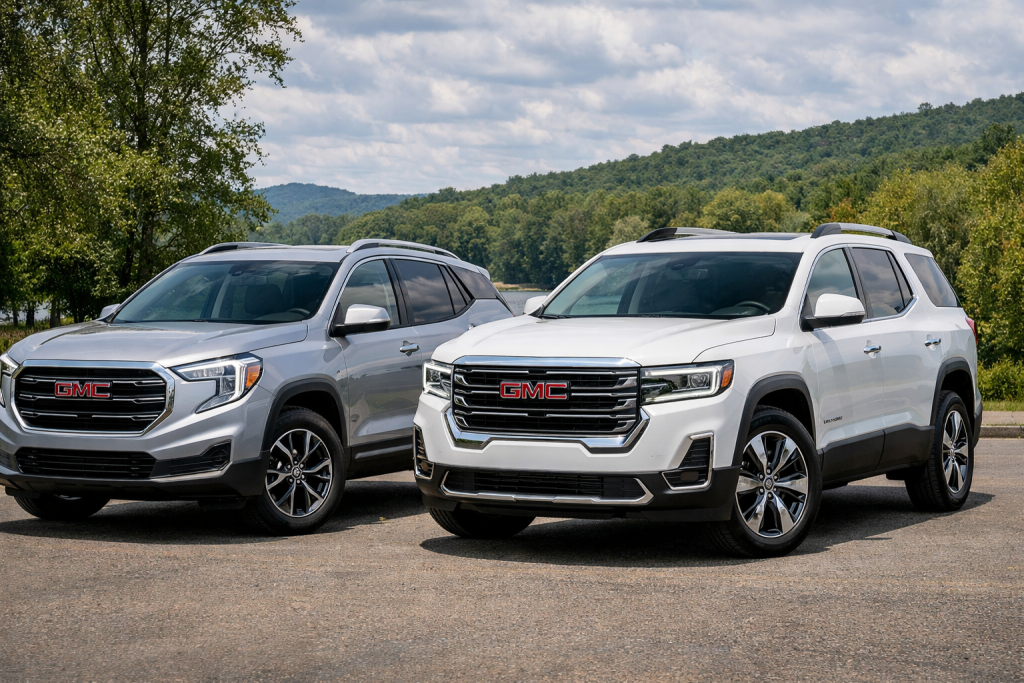
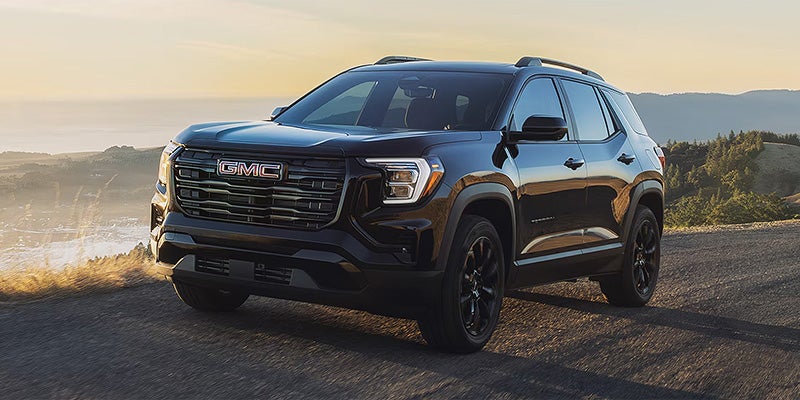
The 2026 GMC Terrain is engineered for drivers who want a compact SUV that feels modern, intuitive, and easy to live with every day. Rather than focusing on extreme performance or oversized dimensions, the Terrain emphasizes technology that simplifies driving, interior design that supports comfort over long stretches, and practical features that adapt to real household use. Understanding how these systems work together is what helps shoppers determine whether the Terrain fits their daily routines. Interior Technology and Infotainment Systems Technology in the 2026 GMC Terrain is designed to reduce friction between the driver and the vehicle. The infotainment system centers on a responsive touchscreen interface that integrates smartphone connectivity, navigation support, and vehicle information in a single, easy to access layout. Controls are positioned to minimize distraction, allowing drivers to make adjustments without shifting focus away from the road. Wireless smartphone integration allows compatible devices to connect automatically, eliminating the need for cables during short trips or frequent errands. Voice recognition capabilities further reduce manual input, which is especially useful in stop and go traffic or during longer commutes. From a usability standpoint: more Screen menus are structured for quick access rather than deep navigation Physical controls remain available for frequently used functions Audio and navigation systems respond quickly to input without lag This approach supports daily driving where convenience and clarity matter more than feature overload. Driver Assistance and Safety Systems Safety technology in the 2026 Terrain is built around assisting the driver rather than replacing them. Advanced driver assistance systems monitor surrounding traffic, lane position, and vehicle speed to provide alerts and support when needed. Key systems operate continuously in the background, helping manage common driving scenarios such as highway cruising, urban congestion, and parking. These features are especially valuable for drivers who spend a lot of time in mixed traffic conditions. Driver assistance systems support: Maintaining lane position during extended highway driving Alerting drivers to vehicles in blind spots Managing following distance in changing traffic flow Enhancing awareness in low speed or tight maneuvering situations Rather than being intrusive, these systems are calibrated to intervene smoothly, reinforcing driver confidence without creating unnecessary alerts. Seating Comfort and Cabin Layout Comfort in the GMC Terrain is driven by thoughtful interior proportions and seating design. Front seats are shaped to support posture over longer drives, reducing fatigue during daily commutes or weekend travel. Seat height and visibility are optimized to give drivers a clear view of the road without feeling elevated or disconnected. Rear seating is designed to accommodate passengers comfortably while maintaining flexibility for cargo. The cabin layout balances passenger space with storage needs, making it suitable for families, commuters, and drivers who frequently transport gear or groceries. Interior design priorities include: Straightforward seating adjustments for multiple drivers Materials selected for durability and comfort rather than softness alone Clear sightlines that improve driver awareness in traffic Cargo Space and Everyday Flexibility Practicality is a defining element of the Terrain. Cargo space is configured to adapt easily between passenger and storage needs. The rear cargo area supports everyday hauling tasks such as shopping, sports equipment, or work supplies, while folding rear seats allow the space to expand when needed. This flexibility is important for owners who use their vehicle for a mix of personal and professional tasks. The ability to quickly reconfigure the interior reduces the need for larger vehicles while still meeting daily demands. Daily Driving Ergonomics The Terrain is engineered to feel predictable and manageable in everyday driving. Steering response is tuned for stability and ease rather than sharpness, which supports confident driving in both city and highway environments. Pedal response and braking behavior are calibrated to feel smooth and consistent, reducing fatigue during frequent stops. Visibility plays a key role in daily usability. Window placement, mirror positioning, and camera assistance systems work together to improve awareness when changing lanes, merging, or parking. From an ownership perspective, these design choices contribute to: Reduced stress in congested driving environments Easier adaptation for drivers transitioning from smaller or larger vehicles A driving experience that feels intuitive rather than demanding How the Terrain Fits into the Compact SUV Segment Compared to other compact SUVs, the 2026 GMC Terrain prioritizes balance. It avoids extreme styling or overly complex technology in favor of systems that are easy to understand and consistently useful. This makes it appealing to buyers who want a vehicle that integrates smoothly into daily life without requiring constant adjustment or learning curves. The Terrain is especially well suited for: Daily commuting and errand running Small families needing adaptable interior space Drivers who value technology that simplifies rather than complicates Owners planning long term use with predictable maintenance needs Final Perspective The 2026 GMC Terrain focuses on the realities of everyday driving. Its technology supports convenience and safety, its interior design emphasizes comfort and visibility, and its flexible layout adapts to changing needs. Rather than competing on extremes, the Terrain delivers a well rounded compact SUV experience built around practicality, ease of use, and confidence behind the wheel. For shoppers evaluating compact SUVs based on real world functionality rather than spec sheet highlights, the Terrain offers a thoughtful balance of technology, comfort, and everyday usability.

GMC Sierra HD Towing Guide: 2500 vs 3500 for Work, Trailering and Heavy Loads

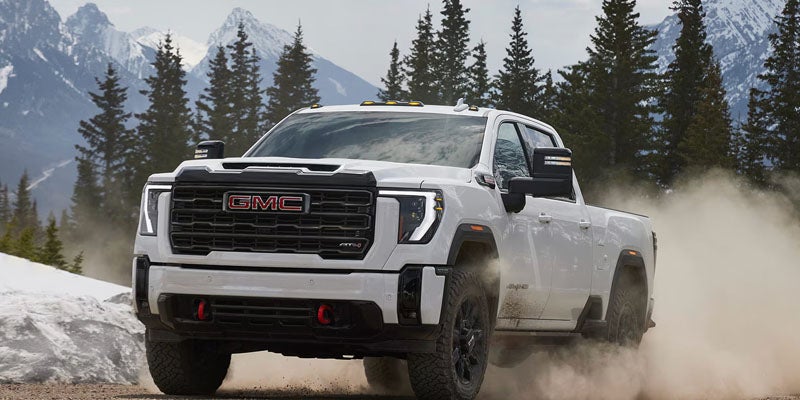
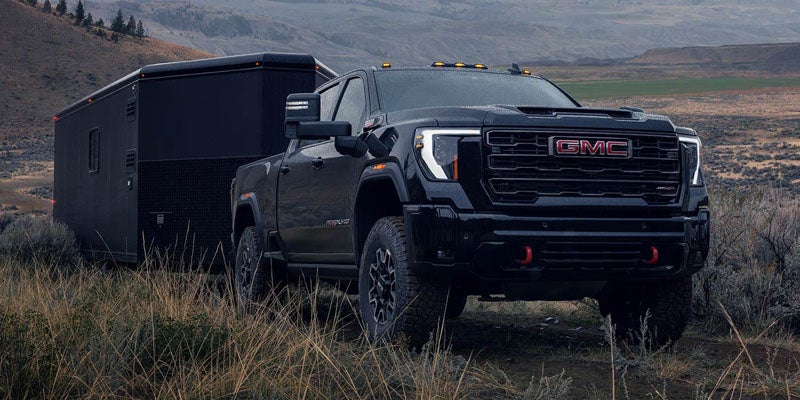
Choosing between the GMC Sierra 2500 HD and Sierra 3500 HD is less about maximum advertised tow ratings and more about how the truck manages weight, stability, and durability in real working conditions. Both trucks are engineered for serious trailering, but they are built for different levels of sustained load, payload demands, and long term use. Understanding how these systems differ helps buyers select the right HD truck for the work they actually do, not just the number on a spec sheet. Platform and Structural Differences At a foundational level, the Sierra 2500 HD and 3500 HD share a heavy duty frame architecture, but they are tuned differently for load management. The Sierra 2500 HD is designed to balance towing capability with daily usability. It handles substantial loads while maintaining a more compliant unloaded ride. The Sierra 3500 HD is engineered for continuous heavy hauling. Suspension components, rear axle ratings, and spring capacity are configured to support higher payload demands without compromising control. This distinction becomes critical when towing trailers that place significant weight directly on the truck, such as fifth wheel or gooseneck setups. In practical terms: more The 2500 HD is often limited by payload before it reaches its maximum tow rating The 3500 HD is built to carry more weight on the truck itself while towing Payload vs Towing Capacity One of the most misunderstood aspects of HD truck shopping is the difference between towing capacity and payload. Towing capacity reflects how much weight the truck can pull. Payload reflects how much weight the truck can carry including passengers, cargo, hitch equipment, and trailer tongue or pin weight. Fifth wheel and gooseneck trailers place a significant portion of their weight directly into the bed of the truck. This weight counts against payload, not towing capacity. In many real world scenarios, a Sierra 2500 HD reaches its payload limit before reaching its advertised tow rating. The Sierra 3500 HD is designed specifically to address this limitation. Higher payload ratings allow it to handle heavier pin weights without exceeding axle or suspension limits. Key takeaway: If your trailer places heavy weight on the truck, payload matters more than tow rating The 3500 HD offers a larger margin of safety for high pin weight applications Engine and Transmission Considerations Both Sierra HD trucks offer powerful engine options designed for sustained towing. Gas engines provide strong capability for moderate and occasional heavy towing. The available Duramax diesel paired with the Allison transmission delivers consistent torque, improved control under load, and enhanced durability for frequent trailering. Torque delivery is especially important when towing at highway speeds or on grades. Diesel configurations provide strong low rpm pulling power, reducing strain on the drivetrain during long hauls. While engine output may be similar between the 2500 HD and 3500 HD, the difference lies in how the truck supports that power: The 2500 HD uses the power effectively but is limited by chassis ratings The 3500 HD is built to apply that power continuously under heavier loads Rear Axle and Stability Differences Stability under load is one of the defining advantages of the Sierra 3500 HD. Higher rear axle ratings and available dual rear wheel configurations significantly improve control when towing large trailers. Dual rear wheels increase the contact patch with the road, reducing sway and improving lateral stability. This is particularly valuable for tall trailers, livestock hauling, or commercial equipment transport where side to side movement can be a concern. The Sierra 2500 HD, while very capable, is better suited for bumper pull trailers, lighter fifth wheels, and situations where maximum stability is not the primary concern. Real World Towing Scenarios For many buyers, the decision comes down to how often and how hard the truck will be worked. The Sierra 2500 HD is well suited for: Equipment trailers used intermittently Recreational towing such as campers or boats Owners who need HD capability but still drive daily Situations where ride comfort unloaded is important The Sierra 3500 HD is better aligned with: Frequent or commercial towing Large fifth wheel or gooseneck trailers Heavy payload demands in the truck bed Buyers planning for future increases in trailer size or weight Choosing the heavier truck often provides flexibility and peace of mind as work demands grow. Ride Quality and Daily Use Tradeoffs One consideration buyers often overlook is unloaded ride quality. The Sierra 2500 HD generally feels more composed when not carrying weight, making it a better choice for mixed use driving. The Sierra 3500 HD, particularly in higher capacity configurations, is tuned for load first. When driven unloaded, the ride can feel firmer due to heavier springs and suspension components. This is not a flaw but a result of the truck being optimized for weight management. Understanding this tradeoff helps buyers avoid selecting a truck that feels excessive for their everyday use. Long Term Durability and Ownership Expectations Heavy duty trucks are designed for longevity, but operating within design limits is critical. Regularly running near maximum payload or towing limits accelerates wear on suspension, brakes, and driveline components. The Sierra 3500 HD provides additional margin for owners who tow heavy loads regularly, reducing stress on components over time. This can contribute to longer service life and more consistent performance under demanding conditions. Buyers who plan to keep their truck for many years often benefit from choosing a configuration that exceeds current needs rather than just meets them. Final Perspective The choice between the GMC Sierra 2500 HD and 3500 HD is not about which truck is stronger on paper. It is about matching the truck’s structural capacity, payload rating, and stability systems to how it will be used day after day. The Sierra 2500 HD delivers impressive towing capability for owners who balance work and daily driving. The Sierra 3500 HD is built for sustained heavy hauling, higher payload demands, and maximum control under load. Understanding payload limits, trailer weight distribution, and long term usage patterns is the key to selecting the right HD truck for work, trailering, and heavy loads.

Where Gonzales Drivers Research GMC SUVs Space Pricing and Feature Comparisons

SUV shoppers in Gonzales rarely begin their search with a single model in mind. Instead, they compare across the GMC SUV lineup, evaluating how space, features, and pricing scale from compact to full-size options. Understanding how GMC SUVs are engineered for different needs allows buyers to narrow choices with confidence rather than defaulting to size or price alone. How GMC SUV Segments Are Designed GMC SUVs are built across multiple segments, each serving a distinct role. Compact SUVs emphasize: Maneuverability and efficiency Lower ownership costs Everyday commuting practicality Midsize SUVs focus on: Expanded passenger and cargo flexibility Balanced size for families Greater technology availability Full-size SUVs deliver: Maximum interior volume Higher towing and load capability Long-distance comfort for passengers Each segment reflects a different ownership priority rather than a simple upgrade path. Interior Space Versus Usable Space Interior measurements can be misleading without context. Usable space is shaped by layout, seat design, and access. Key usability considerations include: Third row access and legroom Cargo depth behind rear seats Seat folding mechanisms creating flat load floors Door opening size affecting daily loading Many shoppers find midsize SUVs provide sufficient space without the parking and operating demands of full-size models. Technology as a Comparison Driver Technology has become a primary decision factor in SUV shopping. Common systems evaluated include: Infotainment interface clarity and responsiveness Smartphone integration reliability Driver assistance features supporting daily driving Camera systems improving visibility GMC structures technology availability so buyers can prioritize features without automatically stepping into a larger vehicle. Pricing Logic Across the GMC SUV Lineup SUV pricing reflects engineering differences more than appearance. Pricing is influenced by: Vehicle size and platform strength Drivetrain configuration including all-wheel drive Technology and safety system content Interior material quality Understanding these factors helps buyers recognize value rather than focusing on surface price comparisons. Avoiding Overbuying Capability One of the most common SUV shopping mistakes is purchasing more capability than necessary. Questions buyers should evaluate: How often is maximum passenger capacity used Is towing a regular requirement or an occasional scenario Does daily driving occur in tight urban areas or open highways Are long road trips common Answering these questions often leads shoppers toward midsize solutions rather than defaulting to full-size options. Ownership Costs Beyond Purchase Price Long-term ownership plays a critical role in SUV satisfaction. Cost considerations include: Fuel consumption tied to vehicle mass Tire and brake replacement frequency Maintenance access and complexity Insurance differences by size class Smaller SUVs typically deliver lower operating costs, while larger SUVs justify expense through capability. How Local Availability Shapes Decisions Local inventory influences SUV selection more than national comparisons. Buyers factor in: Availability of preferred trims and colors Immediate purchase versus waiting for specific configurations Seasonal demand affecting selection A broader inventory allows shoppers to compare features directly rather than compromise. Making a Confident GMC SUV Comparison Effective GMC SUV shopping begins by aligning space needs, technology priorities, and budget expectations. Comparing across segments with a clear understanding of platform intent leads to better long-term satisfaction and avoids unnecessary ownership cost. Rather than choosing the biggest or least expensive option, informed buyers select the SUV engineered to support how they actually drive.

Gonzales GMC Truck Shopping What Local Buyers Compare Before Choosing a Dealer

Truck buyers in Gonzales approach the purchase process with a clear goal. They want a truck that fits their work or lifestyle needs without paying for unnecessary capability or features. As a result, most shoppers compare several factors before choosing where to buy, and price alone rarely tells the full story. How Buyers Actually Compare GMC Trucks Most truck shoppers start by narrowing down the model that fits their needs. Once that is done, comparisons shift away from brand differences and focus on configuration, availability, and long-term value. Key comparison points include: Engine and drivetrain options that match towing or hauling requirements Cab and bed configurations that affect daily usability Suspension and axle setups influencing load control Technology packages tied to safety and trailering Two trucks with the same model name can differ significantly in capability and cost depending on these elements. Why Pricing Varies Between Dealers Price differences often stem from how trucks are equipped rather than where they are sold. Factors influencing pricing include: Trim level and factory installed options Drivetrain configuration including four wheel drive Engine selection affecting performance and operating cost Inventory age and regional demand Shoppers who compare only base pricing often overlook the cost impact of these real equipment differences. Trim Levels and Feature Justification GMC trucks are structured to allow buyers to scale capability rather than force unnecessary upgrades. Lower trims emphasize: Durability and payload balance Simplified interior systems Cost efficiency for work focused use Mid trims add: Improved infotainment and connectivity Additional driver assistance features Enhanced cabin comfort Upper trims focus on: Advanced trailering and visibility technology Premium interior materials Refined ride and noise control Comparing trims by hardware and system content helps buyers understand why pricing moves upward. New Versus Used Comparison Behavior Many shoppers cross shop new and used GMC trucks at the same time. New trucks offer: Full factory warranty coverage Latest safety and technology systems Predictable maintenance planning Used trucks may provide: Lower initial purchase cost Access to higher trims at reduced pricing Proven durability depending on prior use The decision often depends on how long the buyer plans to keep the truck and how it will be used. Inventory Availability and Timing Local inventory plays a larger role than many shoppers expect. Considerations include: Immediate availability versus custom ordering timelines Matching specific work requirements without compromise Seasonal demand affecting selection A dealer with deeper inventory can often align buyers with the right configuration faster, reducing the need to settle. Service Access and Long-Term Support Truck ownership extends beyond the initial purchase. Buyers increasingly factor service access into their decision. Support related considerations include: Proximity for routine maintenance Familiarity with heavy-duty and work truck systems Availability of parts for repairs For work dependent trucks, downtime carries real cost, making post purchase support part of the value equation. Comparing Dealers Without Naming Competitors Most buyers evaluate dealers based on transparency and alignment rather than branding. What stands out to shoppers: Clear explanation of configuration differences Willingness to discuss real world capability needs Accurate breakdown of cost drivers Inventory that reflects how trucks are actually used locally These factors build confidence and reduce uncertainty in the buying process. Making a Confident Local Truck Decision GMC truck shopping is most effective when buyers compare capability first, configuration second, and price last. Understanding how equipment, availability, and long-term support intersect helps local buyers choose both the right truck and the right place to purchase it. The result is a truck that works as intended from day one without compromise.

2025 GMC Acadia Interior and Technology Breakdown Space Comfort and Safety Features

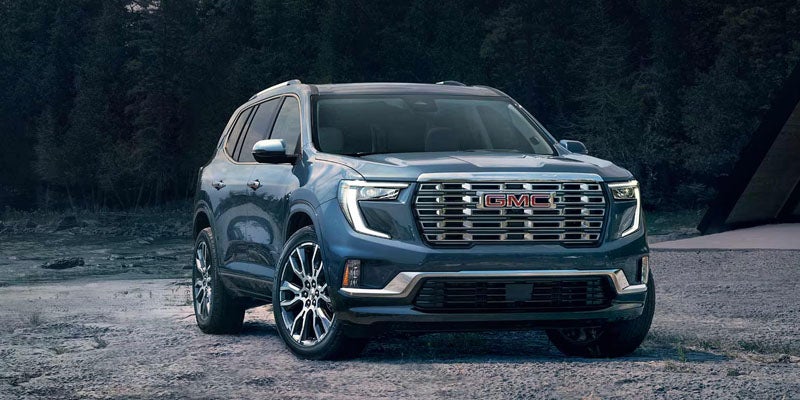
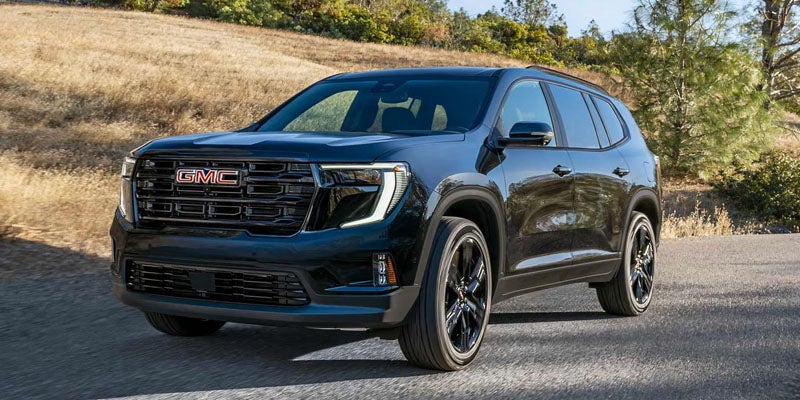
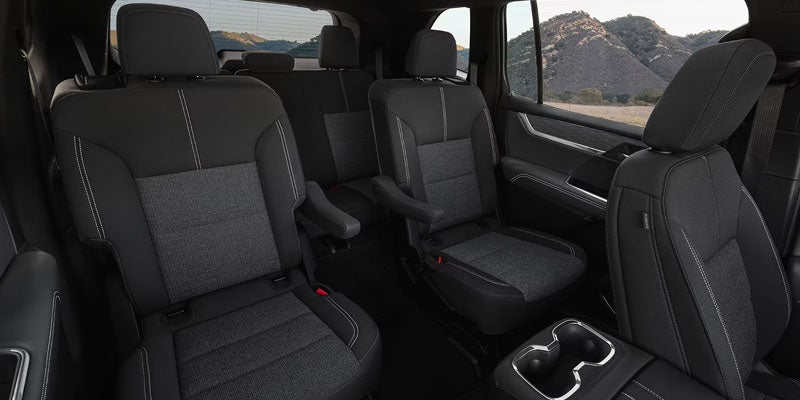
The 2025 GMC Acadia is engineered for families who need real interior space and modern technology without stepping into a full-size SUV. Its design focuses on usable seating, intelligent cargo flexibility, and safety systems that support everyday driving rather than overwhelm it. Understanding how the Acadia is built helps clarify where it fits in the midsize SUV segment. Platform Design and Interior Efficiency The Acadia uses a unibody platform designed to balance structural strength with efficient space utilization. This architecture allows GMC to maximize interior volume while keeping exterior dimensions manageable. Key platform benefits include: Lower step-in height for easier entry Flat cabin floor improving passenger comfort Better ride control on paved roads Improved fuel efficiency compared to larger SUVs This design supports families who prioritize daily drivability alongside interior room. Seating Layout and Passenger Comfort Acadia seating is designed to be functional across all rows, not just on paper. Interior seating highlights include: Three-row configuration with adult-usable second row Improved third row access compared to prior generations Supportive seating surfaces for longer drives Wide door openings easing child seat installation While the third row is best suited for younger passengers on extended trips, its accessibility makes it practical for daily use. Cargo Space and Versatility Cargo flexibility is a core strength of the Acadia. Usability factors include: Generous cargo area behind the second row Split folding rear seats creating a flat load surface Low load floor simplifying heavy item handling This allows the Acadia to transition from family transport to cargo hauling without reconfiguration complexity. Technology Designed for Daily Use Technology in the 2025 Acadia is focused on clarity and reliability rather than novelty. Key technology systems include: Central infotainment display with intuitive menu structure Smartphone integration supporting navigation and communication Multiple USB and power outlets across rows Driver configurable digital information display These systems are positioned to reduce distraction and support driver awareness. Safety and Driver Assistance Systems Safety technology in the Acadia emphasizes prevention and support. Core systems shoppers evaluate include: Forward collision alert with braking support Lane keeping assistance improving highway confidence Blind zone monitoring assisting with lane changes Surround vision systems improving parking visibility Rather than relying on single features, Acadia safety is built around layered support that works continuously in the background. Ride Quality and Noise Control Ride comfort plays a major role in family SUV satisfaction. Acadia ride characteristics include: Suspension tuning prioritizing stability over sportiness Noise insulation reducing road and wind intrusion Predictable steering response improving driver confidence This creates a calm cabin environment during daily commuting and longer trips. How Acadia Fits Between Compact and Full-Size SUVs The Acadia occupies a space between compact SUVs and full-size models. Compared to compact SUVs, it offers: More passenger and cargo flexibility Improved third row capability Greater road presence Compared to full-size SUVs, it delivers: Easier parking and maneuverability Lower operating costs More efficient everyday use This positioning appeals to families who want space without excess. Ownership Considerations for Families Ownership factors matter long after purchase. Acadia ownership advantages include: Reasonable maintenance expectations Balanced fuel consumption Tire and brake wear aligned with midsize design These factors contribute to predictable long-term ownership. Final Family-Focused Perspective The 2025 GMC Acadia is built to support family life through thoughtful interior design, accessible technology, and consistent safety systems. Rather than chasing extremes in size or performance, it focuses on usability, comfort, and confidence, making it a strong choice for shoppers who want capability that fits everyday needs.

GMC Sierra 2500 HD vs 3500 HD Which Heavy Duty Truck Fits Your Work Needs

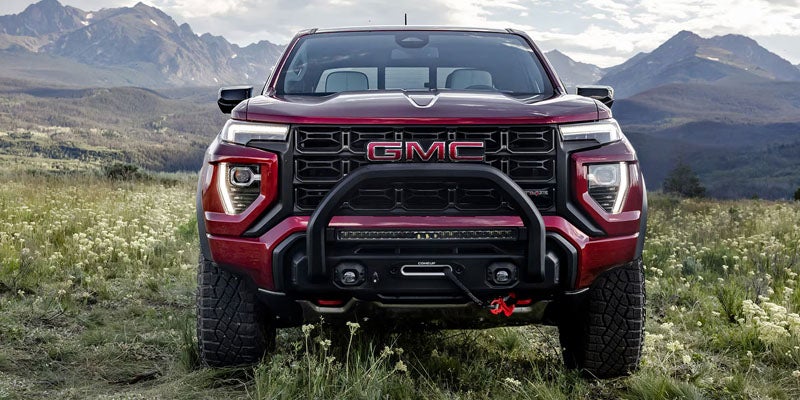
Choosing between the GMC Sierra 2500 HD and Sierra 3500 HD is not about which truck looks tougher. It is about understanding how each truck is engineered to handle weight, stress, and long-term work demands. While both are heavy-duty pickups, they are designed to solve different problems on the job site. Core Structural Difference Between 2500 HD and 3500 HD At a glance, the two trucks appear nearly identical. The real difference is found underneath. Both trucks share: Heavy-duty ladder frame construction Similar cab and bed options Available gasoline and diesel powertrains The separation comes from rear suspension design and axle load capacity. The Sierra 2500 HD is engineered to balance heavy towing with daily usability. The Sierra 3500 HD is engineered to carry and control significantly more weight on a consistent basis. Towing Capacity Versus Payload Explained Many buyers focus on towing numbers, but payload is often the limiting factor. Towing refers to the weight pulled behind the truck. Payload refers to everything placed on the truck including trailer tongue weight, cargo, tools, fuel, and passengers. Key distinctions: Sierra 2500 HD supports heavy trailers but reaches payload limits sooner Sierra 3500 HD is designed to manage higher vertical load without suspension compression Dual rear wheel configurations on the 3500 HD dramatically increase payload stability For gooseneck or fifth-wheel trailers, payload capacity is often the deciding factor, not maximum tow rating. Single Rear Wheel Versus Dual Rear Wheel Function The dual rear wheel option on the Sierra 3500 HD is not cosmetic. Mechanical advantages include: Wider rear tire contact patch Increased lateral stability under load Reduced sidewall flex when hauling heavy vertical weight Improved control during crosswinds and uneven surfaces For commercial trailers, construction equipment, and heavy material hauling, these factors directly affect safety and control. Powertrain Behavior Under Load Both trucks offer powerful engine options, but how they deliver power matters. Gasoline engines provide: Lower upfront cost Strong capability for moderate towing Simpler ownership for lighter duty cycles Diesel engines deliver: High torque at low engine speed Better thermal management under sustained load Improved control on grades and long highway pulls For operators towing daily or over long distances, diesel torque characteristics reduce drivetrain stress and driver fatigue. Suspension and Load Control Suspension tuning separates these trucks more than horsepower. Sierra 2500 HD suspension: Tuned to balance ride comfort and work capability Suitable for trailers that are heavy but not extreme Sierra 3500 HD suspension: Stiffer rear spring rates Designed to remain level under constant load Better long-term durability when operating near capacity This difference becomes obvious when hauling frequently rather than occasionally. Which Truck Fits Which Work Profile The right choice depends on how the truck is used most days. Sierra 2500 HD fits buyers who: Tow heavy equipment occasionally Need daily drivability alongside work capability Want HD strength without maximum payload requirements Sierra 3500 HD fits buyers who: Haul heavy loads regularly Use gooseneck or fifth-wheel trailers Require maximum stability and legal payload margin Operate commercially or under constant load Choosing a truck with more capability than required increases cost and ride stiffness. Choosing one with too little capability increases wear and risk. Long-Term Ownership and Durability Considerations Heavy-duty trucks are built for longevity, but operating near limits accelerates wear. The 3500 HD is designed to: Carry heavy loads without constant suspension stress Reduce brake and drivetrain strain under load Maintain handling consistency over time For buyers operating at the upper end of weight ratings, this difference affects long-term reliability. Final Work-Focused Perspective The GMC Sierra 2500 HD and 3500 HD are both serious work trucks, but they serve different roles. The 2500 HD is a versatile heavy-duty solution for demanding jobs with mixed daily use. The 3500 HD is a purpose-built tool for sustained heavy hauling where payload, stability, and control are non-negotiable. Understanding how weight is carried, not just how much is towed, is the key to choosing the right truck for the work ahead.

A gray electric truck parked on rugged terrain during sunset, showcasing off-road features

5 Favorite Features of the 2025 GMC HUMMER EV Pickup

It's easy to fall in love with the impressive 2025 GMC HUMMER EV Pickup. This titan has brute strength, innovative performance features, and a convenient driving range. Check out a few of our favorite features below. more 1. The Impressive Battery Range The muscular HUMMER EV Pickup is a modern powerhouse with a standard 318-mile driving range. Road trips are no problem with efficient features like Regen on Demand. GMC supplied its brawny pickup with a paddle on the steering wheel that conveniently activates the regenerative braking technology, sending energy from the vehicle's movement to the battery for later use. When you do need to charge up, DC fast-charging capability makes it easy to find a publicly available station for a quick recharge so you can get back on your way. 2. The Strong Performance The 2025 edition comes with a revolutionary propulsion system that delivers up to 570 horsepower and 7,400 lb.-ft. of torque for the standard 2X trim. Its dual electric motors are well complemented by the traction-enhancing all-wheel-drive system. Alternatively, the 3X trim is outfitted with three electric motors and delivers an available best-in-class 1,000 horsepower and up to 11,500 lb.-ft. of torque. 3. The Watts to Freedom Mode For a racetrack-worthy experience, try out the available Watts to Freedom mode. This feature adds an incredible launch sequence that lowers the vehicle and adds a g-force meter to the digital gauge cluster. Once the vehicle is ready to launch, the pickup can go from 0 to 60 miles per hour in just 3.0 seconds. 4. The ProGrade Trailering System Modern technology makes hauling a trailer a much smoother experience, and the HUMMER EV Pickup's ProGrade Trailering System is a prime example of this. The standard package includes cargo bed camera views so you can check on items in the truck bed, trailer camera views, and hitch guidance with hitch view. This last feature places a guideline on the rear camera view when you're in reverse. This gives you an informed and up-close look as you connect your trailer. The HUMMER EV Pickup also comes with trailer side blind zone alert. While you're merging, you'll be able to check your side mirrors for alerts that will appear when the technology detects vehicles lurking in the lane you're entering. 5. The Diagonal-Drive Functionality Off-roading enthusiasts find a lot of joy in the HUMMER EV Pickup's smooth adaptive air ride suspension system, available underbody cameras, and standard CrabWalk mode. This last feature is a four-wheel steering function that allows you to drive diagonally at low speeds, a useful capability when you're maneuvering through tight trails. When you're ready to experience the HUMMER EV Pickup on the road, we'll be here to answer all your questions. Contact Ross Downing GMC in Hammond, LA to schedule a test drive.

Experience the 2025 GMC Sierra 1500

Experience the 2025 GMC Sierra 1500

Designed with both ruggedness and interior comforts in mind, the GMC Sierra 1500 is as reliable as full-size pickups come. more Capable Strength and Versatility The Sierra 1500 offers available four-wheel drive for off-roading fun and four strong engines. The first engine, which comes with lower trim levels, is the 2.7-liter TURBOMAX engine, which can tow up to 9,500 pounds and generates 310 horsepower alongside 430 pound-feet of torque. The next largest engine is a fuel-efficient 3.0-liter Duramax Turbo-Diesel I-6 that produces 305 horsepower and 495 pound-feet of torque while towing up to 13,200 pounds and getting up to 29 MPG on highways. The intermediate engine, a 5.3-liter V8 with a 355-horsepower output and 383 pound-feet of torque, comes with some of the more luxury-oriented trims and tows up to 11,200 pounds. The most powerful engine, however, is the 6.2-liter V8 that can be found in the most upscale trim, Denali. Like the turbo-diesel engine, this one also tows up to 13,200 pounds when the trucks are fully equipped and provide 420 horsepower and 460 pound-feet of torque. Comfortable, Stylish, and Work-Ready Inside the truck's cab, standard features in lower trims include climate control, rear air vents for comfort, an outside temperature display, and a split-bench front seat with under seat storage for convenience. Select upper trims have rear under seat storage as well, front bucket seats with heating and ventilation, heated rear outboard seats, and a leather-wrapped steering wheel that's also heated. Also stylish, the base level trim has a black mesh grille and modern lighting with its LED reflector headlamps, signature lighting, and incandescent taillamps. There are many nature-based paint colors to choose from, like Summit White, Downpour Metallic. Plenty of work-related features are also available, including the six-function GMC MultiPro Tailgate, perimeter lighting, hard- and soft-folding bed covers, and spray-on bedliner. Advanced Technology Inside and Out There are also many high-tech entertainment features, like the standard GMC infotainment system, which has AM/FM stereo, Bluetooth audio streaming for select devices, and, in many upper trims, Google built-in services. A six-speaker audio system comes standard, while the Denali Ultimate trim has a premium 12-speaker Bose system. There are also high-tech driver-assist features to enhance safety and convenience, including cruise control, StabiliTrak, and the Tire Pressure Monitoring System with Tire Fill Alert. Multiple camera systems are offered too, like the HD Rear Vision Camera that's found in lower trims and the HD Surround Vision 360-degree camera, Bed View Camera, and Hitch View that are all available for upper trims. Get in touch with us today at Ross Downing GMC of Gonzales to get behind the wheel of this unique Sierra 1500.

Discover the 2025 GMC Acadia Trim Levels

Discover the 2025 GMC Acadia Trim Levels: Family-Friendly SUV Options

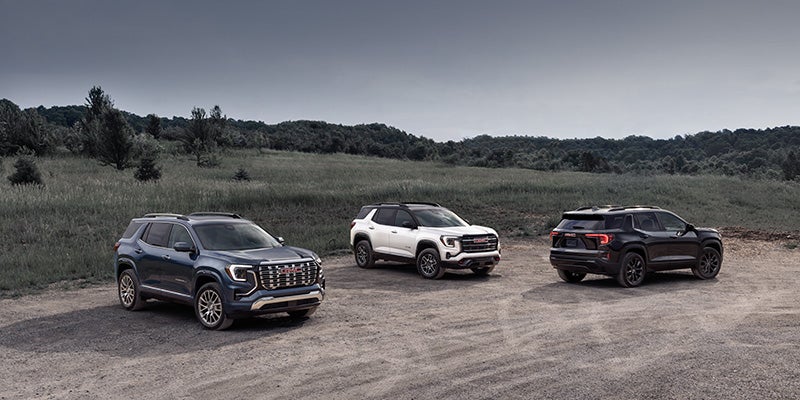
Life doesn't slow down, and the 2025 GMC Acadia keeps pace with generous cargo space, family-friendly tech, and a comfortable cabin. The only real question is, which of its three well-equipped trims is right for you? more Elevation The Elevation is well-equipped to handle the needs of your family. It seats eight with generous legroom and flexible cargo space. With the rear seats folded, it has 97.5 cubic feet for your things, and a standard AutoSense power liftgate makes loading easy. It comes standard with a 2.5L turbo engine, eight-speed automatic transmission, and front-wheel drive, although all-wheel drive is available for drivers who require more traction. With the standard trailering package, it can tow up to 5,000 pounds. The Elevation keeps your family comfortable with heated front seats, a heated steering wheel, remote start, and tri-zone automatic climate control. A power-adjustable driver seat ensures the drive is comfortable, and an 11-inch driver information center keeps key vehicle information right where the driver can see it. Technology and Safety A 15-inch infotainment touchscreen takes center stage on the dashboard and keeps everyone connected with Google built-in, wireless smartphone integration, and voice activation. Wi-Fi, wireless charging, and a 12-speaker Bose audio system also come standard. Standard driver-assistance features include rear park assist, blind zone steering assist, rear cross traffic braking, and lane keep assist with lane departure warning. AT4 For families who split their time between carpool lanes and campgrounds, the AT4 brings more rugged hardware tailored for levee roads and muddy trailheads. It adds off-road suspension, lifted ride height, skid-plate protection, and an active torque control all-wheel drive system that can adjust power to find grip on slippery boat ramps or jutted access roads. All-terrain tires, red recovery hooks, gloss-black roof rails, and a dark-accented exterior give it an assertive look to match its capabilities. Denali The Denali is the upscale choice for Gonzales families who want both quiet serenity and double takes on I-10. It builds on Elevation and adds a premium interior with leather-appointed first- and second-row seating, heated and ventilated front seats, and heated second-row seats. Power-folding rear seats allow you to easily switch between carrying passengers and cargo. A configurable eight-inch head-up display adds convenience, and rain-sensing automatic wipers and a heated wiper park make driving in inclement weather easier. The Denali has a more refined exterior, too. It features a unique grille with Galvano Silver accents, animated lighting, and 20-inch Pearl Nickel wheels. Brushed aluminum roof rails and bright upper door moldings add even more elegance. Whether you choose the well-rounded Elevation, the trail-ready AT4, or the luxurious Denali, you'll get a mid-size SUV that offers versatile space, capable power, and advanced technology. Stop by Ross Downing GMC of Gonzales and we'll help you decide which trim best fits your family's needs.

Check out 6 Highlights of the 2025 GMC Terrain

6 Highlights of the 2025 GMC Terrain

Compact SUVs offer the versatility and space of larger SUVs with the efficiency and agility of smaller sedans. The 2025 GMC Terrain is the perfect compact SUV, with an efficient turbocharged powertrain, a versatile interior, and modern safety and infotainment features that enhance the driving experience. more Efficient Turbocharged Power Beneath the hood of the Terrain is an efficient 1.5-liter turbocharged 4-cylinder with variable valve timing and direct injection that delivers 175 horsepower and 203 foot-pounds of torque. The powerplant is paired with an 8-speed automatic transmission and AWD drivetrain. The Terrain has a standard 15.6-gallon fuel tank and an estimated fuel efficiency rating of 24 MPG in the city and 28 MPG on the highway. Spacious, Versatile Interior Inside the cabin of the Terrain, the two rows of seating can accommodate up to five adults comfortably, with standard bucket seats in the front and a 60/40 split-bench in the back. Behind the rear row of seating, there's a dedicated cargo space with 29.8 cubic feet of volume. When more cargo space is needed for larger payloads, the rear seat row can be folded down to create 63.5 cubic feet of total cargo volume. Customizable Drive Mode Selector The Terrain can adjust to changing conditions on the road in real-time, thanks to its standard driver mode selector system. The drive mode selector allows drivers to choose how the Terrain adapts and responds to changing driving conditions. Drivers can select normal, snow, AWD, and off-road settings to provide improved traction and more efficient power delivery over a range of conditions. Enhanced Control and Handling Because of its size and nimble handling characteristics, the Terrain is more agile than its larger SUV counterparts. It incorporates features that help it deliver power to the driving surface smoothly and efficiently while increasing control, like 4-wheel antilock 16-inch disc brakes, brake rotors with ferritic nitrocarburized coating for improved corrosion resistance, a MacPherson front strut suspension, and a 3.47 rear axle ratio. Spectacular Safety Features The Terrain has a robust lineup of advanced standard safety features. They include forward collision alert, enhanced automatic emergency braking, rear cross-traffic braking, hill descent control, following distance indicator, rear park assist, a comprehensive airbag system, an HD rear vision camera, reverse automatic braking, and front pedestrian and bicyclist braking. Integrated Infotainment Tech Drivers and passengers can stay connected, thanks to the Terrain's infotainment technology. Its standard features include a 6-speaker sound system, Wi-Fi hotspot capability, wireless Apple CarPlay and Android Auto, an 11-inch driver information center with multi-color digital high-contrast display, and a 15-inch GMC Premium Infotainment system with Google integration and a multi-touch color display. The Terrain is the perfect compact SUV for an active lifestyle, with efficient power, versatile interior space, and advanced technology throughout the cabin. Contact Ross Downing GMC of Gonzales to explore the Terrain firsthand and schedule a test drive today.

Check out 2026 GMC Sierra 1500 in GONZALES, LA

Discover the 2026 GMC Sierra 1500

Full-size trucks are built to tackle tough tasks, and the GMC Sierra is legendary for its hard-working capabilities and elevated features. The new 2026 GMC Sierra 1500 continues that tradition, with four powerful engine options, impressive towing and payload-hauling ability, and advanced features that enhance safety and connectivity. more Versatile, Dependable Powertrain Options The four powertrain options available in the Sierra 1500 allow drivers to tailor the pickup's performance to any purpose. The standard TurboMax engine is a modern marvel, balancing dependable power with fuel efficiency. Paired with an 8-speed automatic transmission and a 2WD or 4WD drivetrain, the TurboMax creates 310 horsepower and 430 foot-pounds of torque with an estimated efficiency of 18 MPG in the city and 21 MPG on the highway. For those who prefer a dependable V8, the Sierra 1500 offers an available 355-horsepower 5.3-liter EcoTec3 that churns out 383 foot-pounds of torque and an optional 420-horsepower 6.2-liter EcoTec3 that delivers 460 foot-pounds of torque. The available 3.0-liter Duramax turbo diesel generates 305 horsepower and 495 foot-pounds of torque. The three larger engines are mated with a 10-speed electronically controlled automatic gearbox. Impressive Towing and Payload Hauling Capability The Sierra 1500 offers excellent performance when it comes to moving payloads, with impressive towing and cargo-hauling capability. With a seating capacity of up to six adults in the crew cab configuration, the Sierra 1500's 6.5-foot cargo box offers 71.7 cubic feet of payload volume, and it can carry up to a maximum of 2,200 pounds when properly equipped. Towing heavy loads is easy thanks to the Sierra 1500's maximum towing capacity, which goes up to 13,300 pounds with the proper engine, drivetrain, and equipment selections. It also has tow-friendly available features that streamline trailering, like GMC's ProGrade trailering system, which includes hitch guidance, hitch view, and an in-vehicle trailering app. Modern Technology for Improved Safety and Connectivity The Sierra 1500's design leverages the benefits of modern technology, with safety and infotainment features that enhance driving experience. The standard safety features in the Sierra 1500 include automatic emergency braking, rear cross traffic braking, an HD rear vision camera, forward collision alert, a following distance indicator, lane keep assist, and front pedestrian braking. Drivers and passengers can stay connected, thanks to the standard infotainment and connectivity features in the Sierra 1500. They include a 3.5-inch driver information center, a 6-speaker audio system, the GMC Infotainment System with a 7-inch color multi-touch display, Wi-Fi hotspot capability, wireless Android Auto and Apple CarPlay connectivity, and Bluetooth device streaming. The GMC Sierra 1500 has a long history of excellence, and the 2026 edition continues that tradition with dependable performance, hard-working capability, and elevated modern features. Visit Ross Downing GMC of Gonzales, to explore the new Sierra 1500 for yourself today.

Contact Us

Fill out this form below and we'll contact you shortly
*Required Fields