

Ross Downing GMC of Gonzales

Blog / Gonzales GMC Service

What Gonzales Drivers Should Know About GMC Engine Recalls And Warranty Coverage In 2026

GMC trucks are built to deliver strength, durability, and long term confidence, but even well engineered systems can require attention when issues are identified at a broader level. For many drivers in Gonzales, hearing about an engine recall or questioning warranty coverage creates uncertainty about what it means for their vehicle and what happens next. These concerns are not just about the engine itself. They are about understanding how manufacturers identify issues, how service is handled, and who is responsible for the repair. When recall and warranty processes are clearly understood, ownership becomes more predictable and far less stressful.

How GMC Engine Recalls Are Identified And What They Mean

Many drivers ask what a GMC engine recall actually is and whether it means something is wrong with their specific vehicle. A recall is a manufacturer issued action that addresses a defect related to safety or performance that has been identified across a group of vehicles.

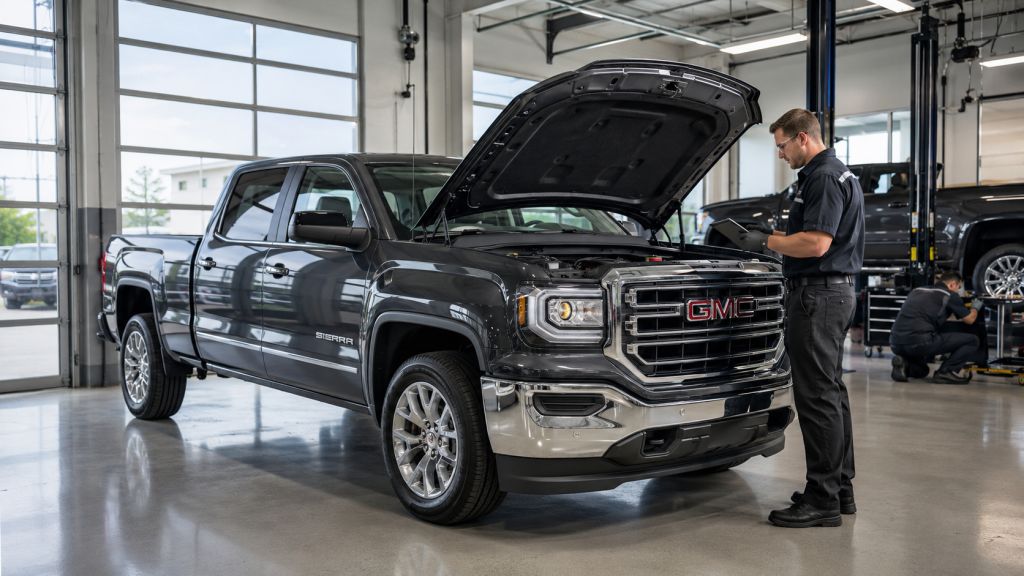
In a GMC Sierra, this process begins when data from vehicles in use reveals a pattern that indicates a potential issue. Engineers analyze this information to determine whether the concern is related to a component, system design, or manufacturing process.

Once a recall is issued, it applies to vehicles that share the same condition.

  • Recalls are based on identified defects, not routine wear
  • The issue must meet specific safety or performance criteria
  • Not every vehicle experiences the issue, but all affected vehicles are included

This distinction matters because a recall does not mean a vehicle is failing. It means the manufacturer is addressing a known condition before it becomes a larger problem.

How Warranty Coverage Applies To Engine Issues

Drivers often want to know whether engine repairs are covered under GMC warranty and how that differs from a recall. Warranty coverage applies to defects in materials or workmanship within a defined time and mileage period.

In a GMC Sierra engine system, warranty coverage is evaluated based on how the issue occurred. If a component fails due to a defect, the repair is typically covered. If the issue is related to wear, maintenance, or external factors, it may not be included.

The key difference between recall and warranty lies in responsibility.

  • Recalls are fully covered regardless of vehicle age or mileage
  • Warranty coverage is limited by time and mileage terms
  • Both apply to defects, but under different conditions

Understanding this difference helps clarify whether a repair will be covered and why.

What Happens During A GMC Recall Service Visit

A common concern is what actually happens during a recall repair and how the process works. A recall service visit follows a structured approach designed to confirm the condition and apply the correct solution.

At a GMC dealership, technicians begin by verifying that the vehicle is included in the recall. This ensures the correct procedure is followed.

Next, the affected system is inspected to confirm the presence of the condition. Depending on the recall, this may involve updating software, replacing a component, or addressing a specific part of the engine system.

  • Verification confirms the vehicle is part of the recall
  • Inspection ensures the correct condition is identified
  • Repair or update resolves the issue based on manufacturer guidance

This process is designed to be precise, ensuring the issue is addressed correctly rather than broadly assumed.

When Engine Repair Or Replacement Is Required

Drivers often ask whether an engine will be replaced under a recall or warranty and what determines that outcome. Engine repair or replacement depends on the severity and location of the issue within the system.

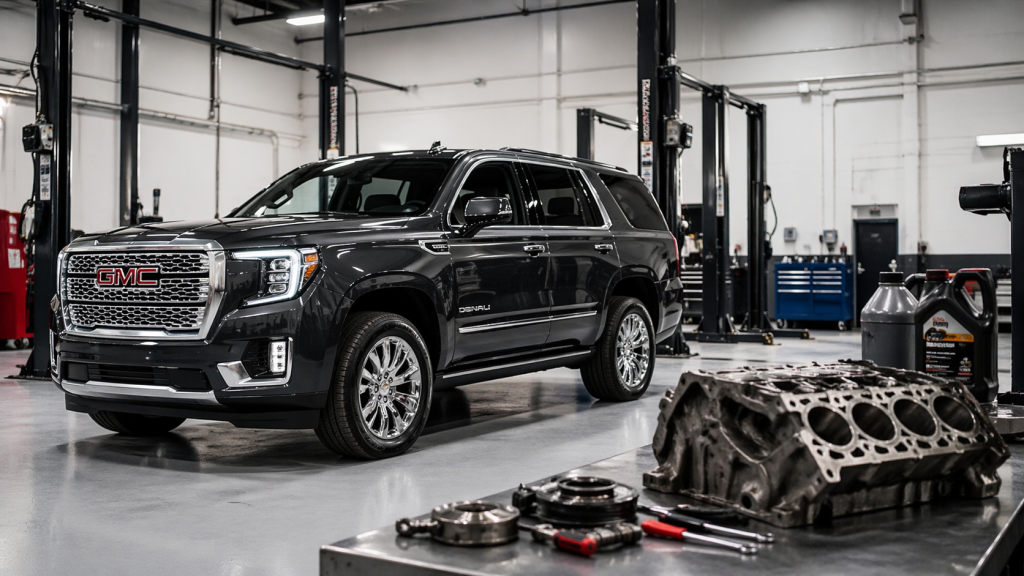
In a GMC Sierra, if a defect affects a specific component, the repair may involve replacing only that part. If the issue impacts the engine more broadly or cannot be isolated to a single component, replacement may be required.

  • Component level issues are typically repaired rather than replaced
  • System wide defects may lead to engine replacement
  • Decisions are based on diagnostic findings and manufacturer guidelines

This approach ensures that the solution matches the scope of the issue rather than applying unnecessary repairs.

How To Navigate Recalls And Warranty With Confidence

For many drivers, the challenge is not just understanding recalls and warranty coverage but knowing how to respond when a situation arises. The key is to approach these processes with clarity rather than uncertainty.

Drivers can begin by checking whether their vehicle is affected by a recall using official manufacturer resources. If a recall is present, scheduling service ensures the issue is addressed promptly.

Understanding warranty coverage allows drivers to anticipate what is included and what falls outside of that protection.

  • Check recall status using manufacturer or dealership tools
  • Schedule service promptly if a recall is identified
  • Review warranty terms to understand coverage boundaries

For GMC owners in Gonzales, this approach turns what can feel like a complex situation into a clear and manageable process. When the system is understood, decisions become easier and confidence in ownership remains intact.
Posted in:

Related Posts

How Long Can You Drive on a Spare Tire in Louisiana

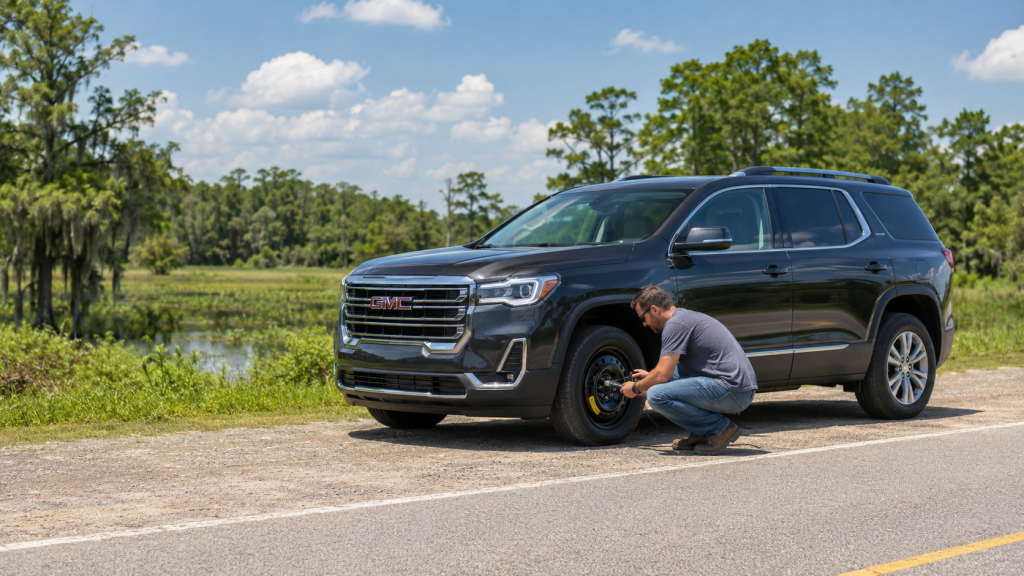
How long can you drive on a spare tire after a flat in Louisiana? The exact limit comes from the spare sidewall and your vehicle owner’s manual. Many compact spares list a speed limit near 50 mph. However, the permitted distance can vary by tire and vehicle. A spare restores short term mobility after tire damage. It does not replace a permanent tire repair. Therefore, travel only far enough to reach a safe inspection location. How Spare Type Changes the Answer Spare tire type controls how the vehicle should be driven after a flat. Compact temporary spares and full size spares serve different roles. A compact spare has a smaller wheel and narrower tread than the normal road tires. It may also carry a much higher inflation requirement. Therefore, its sidewall must receive close review before travel. A full size spare may match the other four tires. However, its age, pressure, tread depth, and load rating still need inspection. A spare stored for years can lose air without visible damage. Check these details before moving: more Read the maximum speed printed on the spare sidewall. Find the spare tire instructions inside the owner’s manual. Measure pressure with a tire gauge before entering traffic. Confirm that the tire has no cracks, bulges, cuts, or exposed material. Check whether cargo or trailer limits apply during spare tire travel. Some vehicles carry a full size wheel with a different tire or tread pattern. Therefore, matching wheel size alone does not prove unrestricted travel. Follow the manual until a tire professional reviews the setup. Why Compact Spares Have Strict Limits Why does a compact spare change how the vehicle moves? Its smaller dimensions alter grip, braking response, and wheel rotation. A narrower tread places less rubber against the road. Therefore, traction may feel different during braking or cornering. Wet pavement can make that difference easier to notice. The spare may also rotate at a different rate than the other tires. That difference can place added strain on driveline parts. For this reason, the manual may limit speed, distance, or axle placement. High speed creates more tire flex and heat. Additionally, hard braking transfers force quickly through the smaller tire. Sharp turns can also place greater load across its narrow contact area. Drive smoothly and leave more stopping room. Avoid sudden steering, rapid acceleration, and rough pavement when possible. Still, do not remain on an unsafe shoulder longer than necessary. A compact spare should support a direct trip to tire service. It should not support errands, commuting, or delayed repair plans. How Louisiana Heat Changes Tire Stress Louisiana summer heat raises pavement and tire temperatures during travel. However, heat does not create one universal distance reduction for every spare. Correct inflation becomes more important during hot travel. An underinflated tire flexes more with each rotation. Consequently, added flex creates internal heat and places more stress on the tire. Check spare pressure before a trip whenever possible. The best reading comes while the tire is cold. That means the vehicle has remained parked for several hours. Do not release air from a warm tire simply because the reading looks high. Heat can raise pressure after driving. Releasing warm air may leave the tire too low after cooling. A compact spare may require far more pressure than the normal road tires. Therefore, never copy the regular tire pressure without checking the spare label. Sunlight and trunk heat can also age stored rubber. Cracks, hard rubber, or sidewall damage require professional review. Visible tread alone does not prove that an old spare remains ready. Highway Travel Loads and Towing Need Extra Care Can you drive on the interstate with a compact spare? The answer rests on the spare speed limit and the safest route to service. Traffic may move faster than the spare permits. Therefore, a nearby surface route may offer a safer path. Choose a route that keeps speed within the printed limit. Heavy cargo adds more weight across the tires. Passengers, tools, luggage, and recreational gear can raise tire strain. Consequently, a loaded GMC truck or SUV may need a different roadside plan. Trailer travel requires even greater caution. A trailer adds tongue weight and changes steering, braking, and stability. The owner’s manual may restrict towing while a temporary spare is installed. Do not assume the restored tire shape means full towing support has returned. Instead, stop in a safe location and review the manual. Roadside assistance may provide the safer route when towing limits remain unclear. Tire pressure monitoring may not read the spare. Therefore, the absence of a warning light does not prove correct pressure. A manual gauge remains necessary. Warning Signs That Mean Stop Driving A spare may develop trouble before reaching its printed distance. Therefore, pay attention to new movement, sound, and steering changes. Stop in a safe location when you notice: Strong vibration through the steering wheel, seat, or floor. Pulling that makes the vehicle difficult to keep straight. Repeated thumping, scraping, rubbing, or flapping sounds. Rapid pressure loss or a tire pressure warning. A visible bulge, crack, cut, or damaged sidewall. Smoke, burning odor, or unusual heat near the wheel. Do not continue solely because the service location is close. A damaged spare can fail without much warning. Therefore, move away from traffic and request roadside help. Also stop when the tire contacts bodywork or brake parts. Incorrect installation or wheel fit can create immediate damage. Loose wheel fasteners can also cause vibration and wheel movement. After installation, recheck that the wheel sits flat against the mounting surface. Follow the tightening steps listed for the vehicle. A service professional should verify the installation soon afterward. When Permanent Tire Service Should Happen Permanent tire service should happen at the nearest reasonable opportunity. A compact spare exists for emergency travel only. A tire professional must inspect the damaged road tire before approving repair. Puncture location, puncture size, internal damage, tread depth, and prior repairs all enter that decision. Sidewall damage usually requires replacement because that area flexes during travel. Driving without enough air can also damage the inside of the tire. Therefore, a small visible puncture may hide larger internal harm. Bring these details to the service visit: Where the pressure loss first appeared. How far the vehicle traveled after the warning. Whether the tire became fully flat. Whether sealant entered the damaged tire. Whether the spare produced noise, vibration, or steering changes. Ross Downing GMC Gonzales can inspect the damaged tire, check the spare, and review replacement options. The service team can also confirm inflation requirements for the exact GMC. A spare tire should shorten the roadside emergency, not extend it. Follow the printed limits, reduce speed, and avoid added load. Then arrange permanent tire service before normal travel resumes.

Vehicle Inspection Report Dealership Guide in Gonzales

A vehicle inspection report dealership guide should explain what was checked, measured, found, and recommended before purchase. A useful report records present wear, visible defects, diagnostic findings, and repair needs. It should also identify the exact vehicle through its identification number. No inspection can promise a repair free future. However, a detailed report gives Gonzales shoppers stronger information before signing. It also creates a written record for pricing, service, and warranty discussions. What a Vehicle Inspection Report Should Explain What should a vehicle inspection report show before you purchase a used vehicle? A useful report records measured wear, visible defects, diagnostic findings, and recommended repairs. The report should name the technician or shop that completed the work. It should also show the inspection date and current mileage. In addition, the vehicle identification number should match the unit under review. A useful report should include: more Tire tread depth and tire age should appear for all four positions. Brake pad measurements and rotor findings should appear in writing. Fluid levels, leaks, battery test results, and warning lights should be recorded. Diagnostic codes and road test findings should include clear notes. Repair needs should be grouped by urgency and estimated timing. A simple checkmark gives little context. By contrast, measurements show how much material remains and which items may need service soon. Why History Records Do Not Replace Inspection A vehicle history report reviews recorded events from the past. It may show title records, reported collisions, mileage entries, prior owners, and some service work. However, not every repair enters a reporting database. Private work, small body repairs, and unreported damage may never appear. Therefore, a clean history report cannot prove clean current condition. A physical inspection answers a different question. It reviews what the vehicle shows today. Paint differences, panel gaps, leaks, tire wear, and warning codes can reveal concerns outside the history file. Service records add another layer. They may confirm oil changes, brake work, fluid service, or major repairs. Still, missing records do not prove that care never occurred. For this reason, shoppers should review the history file, service records, and physical report together. Each source fills a different information gap. What Tires Brakes and Suspension Can Reveal Tires can reveal more than remaining tread. The report should record tread depth, tire age, sidewall damage, matching type, and wear shape. Uneven wear can point toward low pressure, missed rotations, worn steering parts, suspension wear, or wheel geometry concerns. Therefore, the report should explain the pattern and any next step. Brake review should include pad thickness, rotor surface, brake fluid, pedal feel, and warning lights. A vehicle may stop normally while still nearing brake service. Steering and suspension parts also deserve close review. Worn joints, bushings, shocks, or struts can create noise, looseness, or poor tire wear. During the road test, the vehicle should track straight and brake smoothly. Vibration, pulling, clunks, or repeated noise should appear in the written findings. These measurements create a clearer repair picture. They also make price discussions more specific. What Fluids and Underhood Checks Should Cover Fluid review should include levels, visible condition, odor, and leak location. Engine oil, coolant, brake fluid, and accessible driveline fluids deserve attention. Dark fluid alone does not prove internal damage. Therefore, the technician should compare visual findings with service records, mileage, and manufacturer intervals. Leaks need clear notes. The report should identify the fluid type, source area, severity, and need for further testing. A damp area and an active drip require different responses. Battery testing should include measured condition and starting strength. Belts, hoses, filters, terminals, and cooling parts should also receive review. The underbody can reveal fluid loss, impact damage, corrosion, or loose shields. In addition, the exhaust should receive a visual check for damage or leaks. A written report should separate maintenance needs from diagnostic concerns. That distinction keeps routine service from sounding like confirmed mechanical failure. Why the Scan and Road Test Both Matter A diagnostic scan reads active, pending, and stored fault codes. It can add useful electronic information even when no warning light appears. Still, a scan cannot measure tire age, brake thickness, fluid leaks, or body repairs. It also cannot confirm how the vehicle feels while moving. The road test should include changing speeds, turns, bumps, and controlled braking. Those inputs test steering, shifting, braking, suspension movement, and noise. The driver should note delayed shifts, vibration, pulling, steering play, brake pulsation, or unusual sounds. Climate controls, cameras, windows, locks, and interior electronics should also receive testing. One short loop on a smooth road may miss concerns. Therefore, the route should include several surfaces and speeds when safe. Electronic data and road feedback should support each other. When either source raises concern, further diagnosis may be needed before purchase. Which Documents Should Be Reviewed Before Signing The inspection report is one part of the final review. Gonzales shoppers should also read the history file and federal window notice. Service records, recall information, and warranty terms deserve review too. Before signing, confirm these items: The federal window notice should state whether warranty coverage applies or the vehicle is sold as is. Written warranty terms should identify covered parts, limits, dates, and required steps. Any promised repair should appear in the purchase paperwork. Open recall information should match the exact vehicle identification number. The inspection report should list findings, measurements, and repair priorities. An inspection does not create warranty coverage. A warranty defines which repairs may receive coverage under its written terms. Spoken repair promises can become difficult to prove later. Therefore, every promised repair should appear in writing before delivery. Ross Downing GMC Gonzales can review inspection records, warranty details, and service history for available used vehicles. Shoppers should ask questions before signing and keep copies of every document. A thorough review cannot predict every future repair. However, it can show current wear, known concerns, and near term service needs. That information supports a more informed used vehicle decision.

GMC Service Appointment in Gonzales: What to Expect

A GMC service appointment in Gonzales follows a defined sequence from the moment you arrive at Ross Downing GMC to the moment you drive away. Most friction shoppers associate with dealership service comes from not knowing what happens at each step. Understanding the process puts you in a better position to ask the right questions, authorize the right work, and leave with a complete picture of your vehicle's condition. Scheduling and What to Have Ready The service process begins before you arrive. Having three pieces of information ready shortens check-in time considerably. Your current mileage, a clear description of any concern, and your drop-off or wait preference are the core inputs the service team needs to prepare your visit. Concern description matters more than most owners realize. A vague note such as "makes a noise" gives the technician a wide diagnostic field. A specific description such as "intermittent clicking from the front left wheel at low speed over rough pavement" narrows the starting point. That specificity reduces diagnostic time and improves the accuracy of the repair order from the first line. more Scheduling in advance increases the likelihood that a loaner vehicle or shuttle is available. Loaner availability is not guaranteed on a walk-in basis. Requesting a loaner at scheduling gives the service team lead time to confirm and arrange the vehicle before your appointment date. A standard oil change with no additional concerns typically runs under an hour. A loaner is not necessary for that visit. For visits involving diagnosis, recall repairs, or multiple services, confirming loaner availability at the time of booking removes a logistical gap on the day of your appointment. Check-In and the Repair Order The service advisor is your primary contact for the entire visit. They translate your concern into a documented work order, confirm the requested services, and communicate any findings to you before work begins. At check-in, the advisor records your mileage, confirms your vehicle identification number, and documents your concern on the repair order. The repair order is the legal record that governs every action the technician takes on your vehicle. For warranty work, the repair order must contain three elements before anyone submits a claim: the customer complaint, the technician's identified cause, and the correction performed. Reviewing your concern description on the repair order before you leave the service desk confirms the documentation is accurate from the start. The advisor also reviews your vehicle's service history at check-in. That review surfaces open recalls, upcoming factory-scheduled maintenance intervals, and any concerns from prior visits that the team did not previously address. If an open recall applies to your vehicle, the advisor confirms whether parts are available and whether the repair fits within the current visit or requires a separate appointment. The Multi-Point Vehicle Inspection Every GMC Certified Service visit at Ross Downing GMC includes a Multi-Point Vehicle Inspection. A factory-trained technician evaluates tires, brakes, fluid levels, battery condition, wiper blades, belts, filters, lighting, and suspension components across multiple checkpoints. The technician records results on a color-coded form using three indicators. Green means the component is in good condition and needs no action. Yellow means the component functions but shows wear that warrants attention soon. Red means the component needs attention now. That three-tier structure gives you a ranked view of your vehicle's condition across every category the technician evaluates. The inspection report does not authorize any work. Every yellow and red item requires your explicit approval before the technician proceeds. The advisor contacts you, presents each finding with a cost estimate, and waits for your individual decision on each item. Nothing moves forward without that conversation. Using Yellow Findings as a Planning Tool Green items confirm those components are in acceptable condition at the time of inspection. Red items require a decision during the current visit or a documented plan for immediate follow-up. Yellow items carry the most strategic value for proactive owners. They identify components approaching a service interval before the component reaches a failure point. A yellow brake finding today gives you time to budget for pad replacement before the next visit. Reviewing the yellow section at each visit builds a forward-looking service schedule and reduces surprise costs over the life of the vehicle. Oil Change and Certified Service Standards An oil change at Ross Downing GMC is not a standalone drain-and-fill. The technician completes the Multi-Point Inspection alongside it at no additional charge. That makes the oil change the most common entry point into the full Certified Service visit. The technician confirms the correct oil specification for your specific engine before the service begins. GMC vehicles require ACDelco dexos-approved oil. The technician matches the viscosity grade to the engine's factory specification, not a generic category. For most current GMC trucks and SUVs, that means a full synthetic formulation. After the drain and refill, the technician resets the oil life monitor to reflect the new service interval. The repair order documents the oil type, quantity, and mileage. That record matters if an engine concern arises later and someone reviews the service history. Generic quick-lube shops match oil to a general grade category rather than the engine-specific dexos approval standard. For a GMC engine under warranty or extended warranty coverage, non-approved oil can complicate a claim if an engine concern traces back to lubrication. The technician replaces the filter at every oil change. If the inspection identifies an air filter, cabin filter, or fluid due for replacement, the advisor presents each item as a separate recommended service. Each one requires your individual approval before the technician performs any additional work. Approval, Timeline, and Pickup Once the inspection is complete and the advisor communicates the findings, they provide a completion estimate based on the approved work. A standard oil change and inspection without additional repairs runs under one hour for most appointments. Additional approved repairs extend that timeline. The advisor confirms a revised estimate before any additional work begins. At pickup, the advisor walks through the completed repair order with you. The document lists every service the technician performed, the oil specification used, mileage at service, any warranty claim numbers, and each inspection finding with its color designation. Reviewing the repair order before you leave closes the visit correctly. The repair order is also a permanent service record that carries value beyond the current visit. A complete and documented service history supports warranty claims, supports CPO eligibility if you sell the vehicle through a GMC dealer, and gives any future buyer a transparent view of how the vehicle was maintained.