



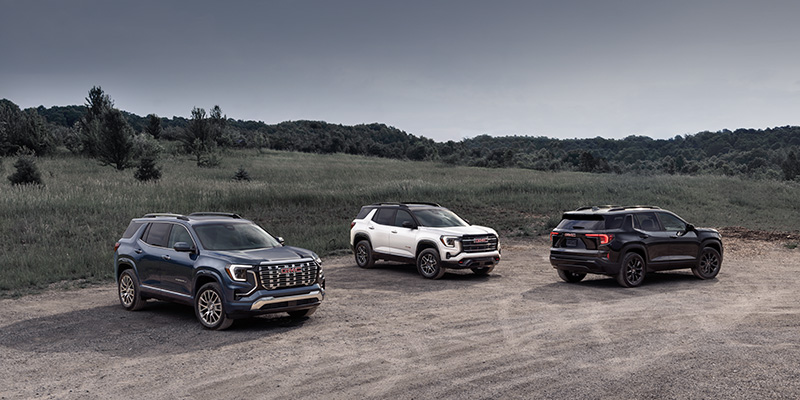
The GMC Terrain vs Acadia decision comes down to one structural question: how many passengers does your household carry regularly? Both are GMC crossovers. Both share a family-oriented feature set and the same dealer network. However, the Terrain is a compact two-row SUV and the Acadia is a midsize three-row SUV. That structural difference shapes every other comparison point between them.
Two Different Vehicle Categories
The Terrain and the Acadia are not the same vehicle at different sizes. Instead, they occupy different segments with different design priorities. The Terrain is built around two rows, a compact footprint, and fuel efficiency. The Acadia, by contrast, is built around three rows, a larger cargo floor, and the ability to move more passengers with more gear.
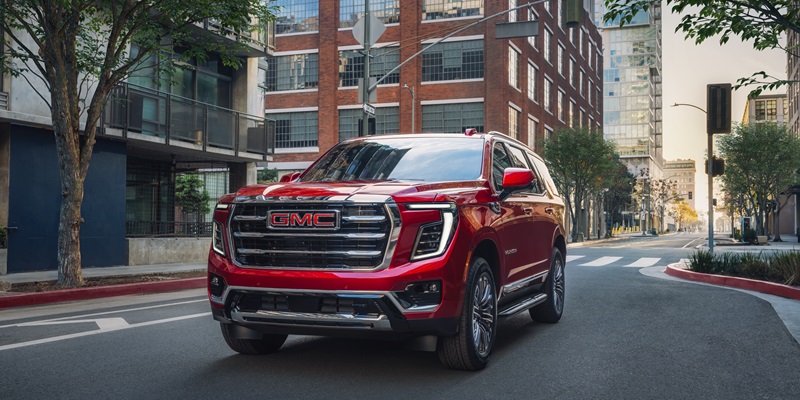
Read the rest of this entry »The GMC Yukon AT4 vs Denali decision starts with a single question: what do you use your Yukon for most? Both trims sit at the top of the Yukon lineup. Both carry the same full-size platform, the same three-row cabin, and the same core technology suite. The divergence is in how each trim is engineered to perform — one for terrain, one for road composure and interior refinement.
Two Different Design Philosophies
The AT4 and the Denali share a body. They do not share a suspension calibration, a tire specification, a drivetrain default, or an interior priority. GMC engineers those two trims from different starting points. The AT4 begins with a terrain-capable foundation and layers interior content on top. The Denali begins with road composure and interior refinement and layers available off-road capability underneath.
Read the rest of this entry »GMC Service Appointment in Gonzales: What to Expect
A GMC service appointment in Gonzales follows a defined sequence from the moment you arrive at Ross Downing GMC to the moment you drive away. Most friction shoppers associate with dealership service comes from not knowing what happens at each step. Understanding the process puts you in a better position to ask the right questions, authorize the right work, and leave with a complete picture of your vehicle’s condition.

Scheduling and What to Have Ready
The service process begins before you arrive. Having three pieces of information ready shortens check-in time considerably. Your current mileage, a clear description of any concern, and your drop-off or wait preference are the core inputs the service team needs to prepare your visit.
Concern description matters more than most owners realize. A vague note such as “makes a noise” gives the technician a wide diagnostic field. A specific description such as “intermittent clicking from the front left wheel at low speed over rough pavement” narrows the starting point. That specificity reduces diagnostic time and improves the accuracy of the repair order from the first line.
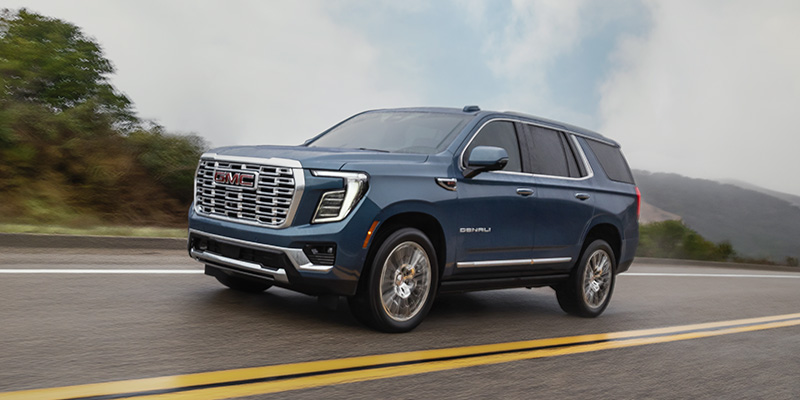
Read the rest of this entry »The certified pre-owned (now CarBravo) GMC Yukon vs new decision is not simply about price. It is about where the Yukon’s value curve sits at the moment you buy it. It is also about what warranty protection transfers to you and whether front-end savings justify any coverage differences. Both paths lead to the same capable full-size SUV. The financial structure of each path is fundamentally different.
How the GMC Yukon Depreciates
The Yukon loses more value in its first year than in any subsequent year after purchase. First-year depreciation on a new Yukon runs between 20 and 25 percent of the purchase price. On a 2026 Yukon starting at approximately $69,200, that loss runs roughly $13,800 to $17,300 in the first 12 months of the original owner’s possession.
By year two, the rate slows considerably. A two-year-old Yukon with average mileage has already absorbed the steepest part of the depreciation curve. CarEdge data shows the Yukon depreciates approximately 55 percent over five years. The buyer who purchases at the two-year mark steps into a vehicle that has shed its most expensive depreciation period. That two-year-old unit lists $15,000 to $20,000 below the equivalent new model year’s MSRP based on trim level and options.
Read the rest of this entry »GMC Hummer EV Pickup: What Louisiana Buyers Expect
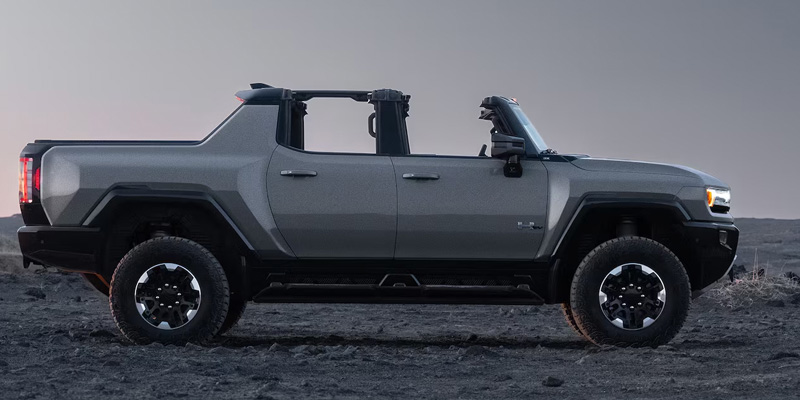
GMC Hummer EV pickup research usually starts with battery range and charging questions, but Louisiana buyers should also evaluate towing impact, charging infrastructure, off road engineering, and how EV truck ownership changes daily driving routines. Moving from a gas powered truck into an electric pickup changes fueling habits, weight distribution, acceleration feel, braking response, and trip planning. The HUMMER EV introduces an entirely different truck architecture through battery powered propulsion, four wheel steering, regenerative braking, and high output electric torque delivery. Buyers considering this GMC truck should understand how those features function during daily ownership before deciding whether the transition fits their driving routines.
The HUMMER EV Drives Differently Than a Gas Powered Truck
How does the GMC Hummer EV pickup work differently from a gas truck? The largest differences involve power delivery, braking feel, weight distribution, and how the truck stores and uses energy.
Gas powered trucks rely on combustion engines that build power progressively through engine RPM and gear changes. The Hummer EV uses electric drive motors powered by the Ultium battery platform. Electric motors deliver torque immediately, creating instant acceleration without waiting for gear changes or engine buildup.
That changes how the truck responds during:
Read the rest of this entry »Dealership service communication shapes how customers understand repair timelines, estimate approvals, technician findings, and vehicle status throughout the repair process. Many service frustrations begin when drivers only see the final invoice instead of the workflow happening behind the scenes. At Ross Downing GMC Gonzales, the repair process involves multiple stages that connect technicians, diagnostic equipment, parts departments, and service advisors together. Understanding how those stages work gives GMC owners clearer expectations when repairs, inspections, or maintenance visits move beyond a simple oil change.

What Happens After Vehicle Check In?
Once a GMC vehicle enters the service lane, the process immediately moves into documentation and inspection. The advisor records customer concerns, verifies symptoms, checks mileage, reviews warranty information, and attaches technician notes before the vehicle enters the shop queue. This step matters because vague descriptions can slow diagnosis later. A statement like “the truck feels strange” creates far less direction than identifying vibration speed ranges, warning messages, startup timing, or braking symptoms.
After check in, the technician begins an inspection sequence tied to the original concern. A Sierra with trailer brake warnings may require electrical testing, connector inspections, battery voltage evaluation, and scan tool diagnostics before any repair recommendation appears. A Yukon arriving with suspension concerns may move through ride height measurements, compressor evaluation, road testing, and suspension module scans.
Most dealership workflows include:
Read the rest of this entry »Best GMC SUVs for Large Families in Gonzales
Best GMC SUV for families searches usually begin with seating numbers, but growing families in Gonzales also need to evaluate third row comfort, cargo flexibility, daily maneuverability, and long distance travel space before narrowing their decision. The GMC Acadia, GMC Yukon, and GMC Yukon XL each support family life differently because their cabin dimensions, wheelbase length, suspension structure, and cargo layouts serve very different priorities. Families transporting children, sports equipment, luggage, strollers, pets, or multiple passengers should evaluate how these SUVs function during real travel situations instead of focusing only on seat counts.
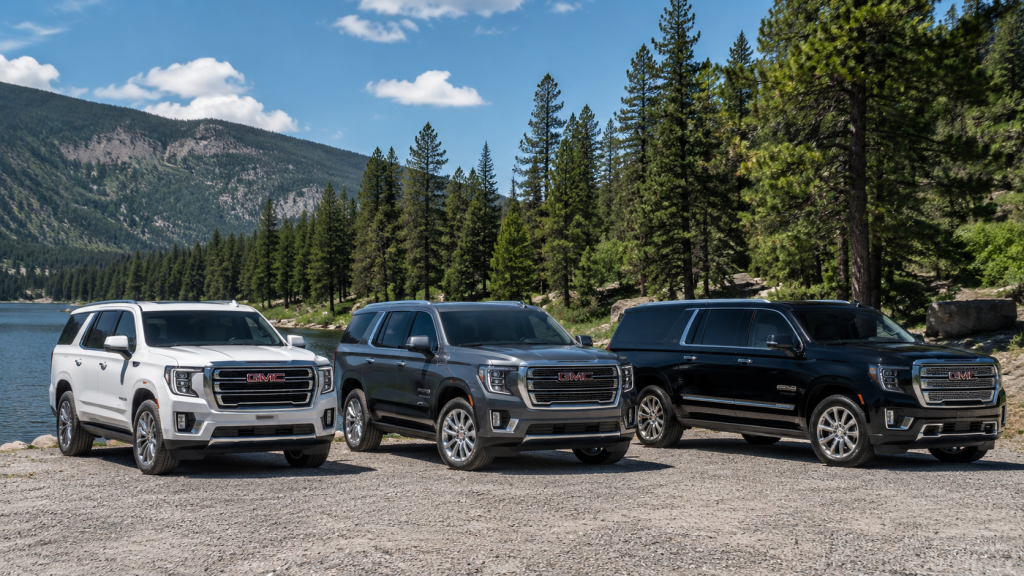
Acadia, Yukon, and Yukon XL Follow Different Size Philosophies
What is the best GMC SUV for large families? The answer begins with understanding how GMC positions the Acadia, Yukon, and Yukon XL around different family space requirements.
The GMC Acadia operates within the midsize SUV category. Its structure prioritizes easier maneuverability, balanced passenger room, and manageable exterior dimensions for families transitioning from smaller crossovers or sedans.
The GMC Yukon enters the full size SUV category with a larger wheelbase, taller cabin structure, wider seating areas, and greater cargo volume. The Yukon XL extends that layout further by stretching the wheelbase and rear cargo section substantially.
Those dimensional differences reshape how each SUV handles:
Read the rest of this entry »3500 vs 2500 HD: GMC Workload Comparison
3500 vs 2500 HD comparisons usually begin with towing numbers, but Louisiana buyers hauling equipment, trailers, and commercial loads also need to understand payload structure, rear axle support, and dually stability before upgrading. Sierra HD trucks may appear very similar visually, yet the differences underneath the chassis change how each truck manages heavy pin weight, suspension load transfer, trailer stability, and long duration hauling situations. Contractors, agricultural operators, and equipment haulers should evaluate far more than the advertised tow rating before choosing between these heavy duty GMC trucks.
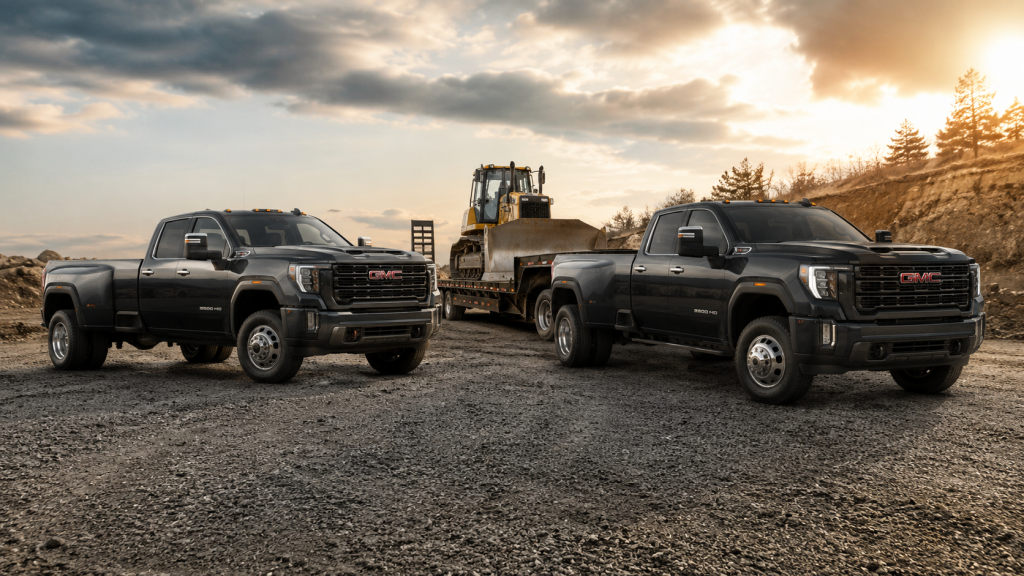
Payload and Towing Differences Shape Truck Selection
What is the difference between the Sierra 2500 HD and 3500 HD? The largest differences involve payload support, rear suspension capacity, axle load handling, and how the truck manages heavier trailer weight pressing downward into the chassis.
Tow ratings receive most of the attention during truck research, but payload becomes equally important once larger trailers enter the equation. Payload refers to the amount of weight carried directly by the truck itself. This includes passengers, cargo, hitch equipment, fuel, and trailer pin weight pressing into the bed through fifth wheel or gooseneck towing setups.
A GMC Sierra 2500 HD supports substantial towing and hauling work already, making it a strong fit for equipment trailers, medium commercial loads, enclosed utility trailers, and moderate fifth wheel towing. The Sierra 3500 HD pushes beyond that range through stronger rear load support and higher payload thresholds.
This matters because trailer weight does not transfer evenly. Fifth wheel and gooseneck trailers place a large portion of their weight directly onto the truck’s rear axle. Once heavier commercial trailers enter the picture, payload limitations may be reached before maximum tow ratings are even approached.
Louisiana buyers towing:
Read the rest of this entry »GMC designs vehicles with purpose, built around how you actually drive, carry passengers, and move through your day. When comparing the GMC Terrain and Chevrolet Equinox, it is easy to focus on size or brand preference, but both SUVs share the same underlying platform. That means the real differences come from how each vehicle is tuned, how space is arranged, and how technology is delivered to the driver. For shoppers in Gonzales, the decision is not about which SUV is better in general. It is about which one works better for your daily routine, your passengers, and how you interact with your vehicle.
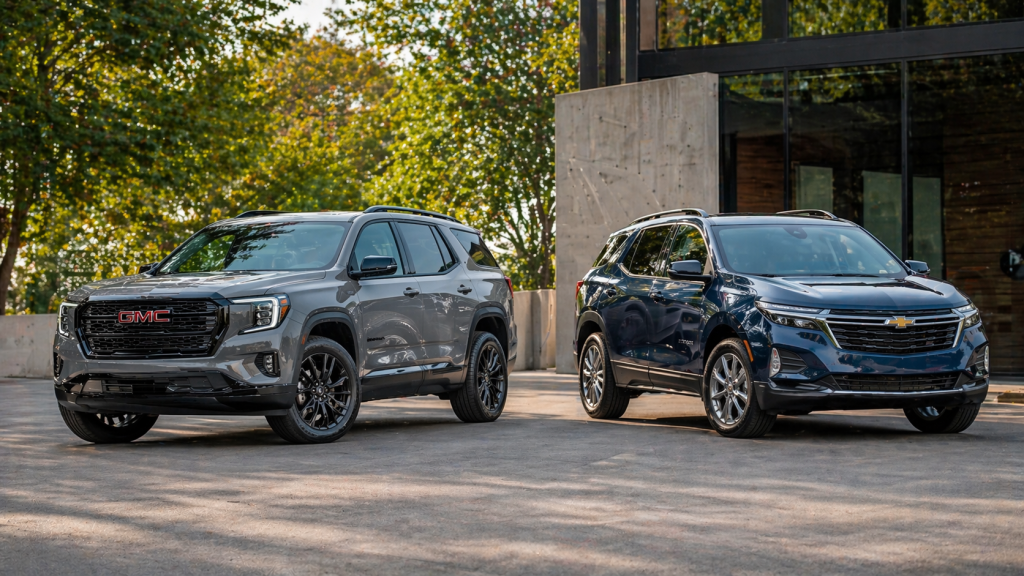
How GMC Terrain And Chevrolet Equinox Share The Same Platform
Many drivers ask what the difference is between the GMC Terrain and Chevrolet Equinox. A shared platform means both vehicles are built using the same structural architecture, including chassis design, engine options, and drivetrain layout.
In both the GMC Terrain and Chevrolet Equinox, this shared platform supports a compact SUV footprint with similar exterior dimensions and mechanical capability. Where they differ is in how that platform is tuned and refined.
The GMC Terrain is calibrated to deliver a more controlled and stable ride, with steering and suspension tuned for a slightly firmer response. The Chevrolet Equinox uses the same foundation but is tuned for a softer ride that absorbs road imperfections more gradually.
Read the rest of this entry »What Gonzales Drivers Should Know About GMC Engine Recalls And Warranty Coverage In 2026
GMC trucks are built to deliver strength, durability, and long term confidence, but even well engineered systems can require attention when issues are identified at a broader level. For many drivers in Gonzales, hearing about an engine recall or questioning warranty coverage creates uncertainty about what it means for their vehicle and what happens next. These concerns are not just about the engine itself. They are about understanding how manufacturers identify issues, how service is handled, and who is responsible for the repair. When recall and warranty processes are clearly understood, ownership becomes more predictable and far less stressful.
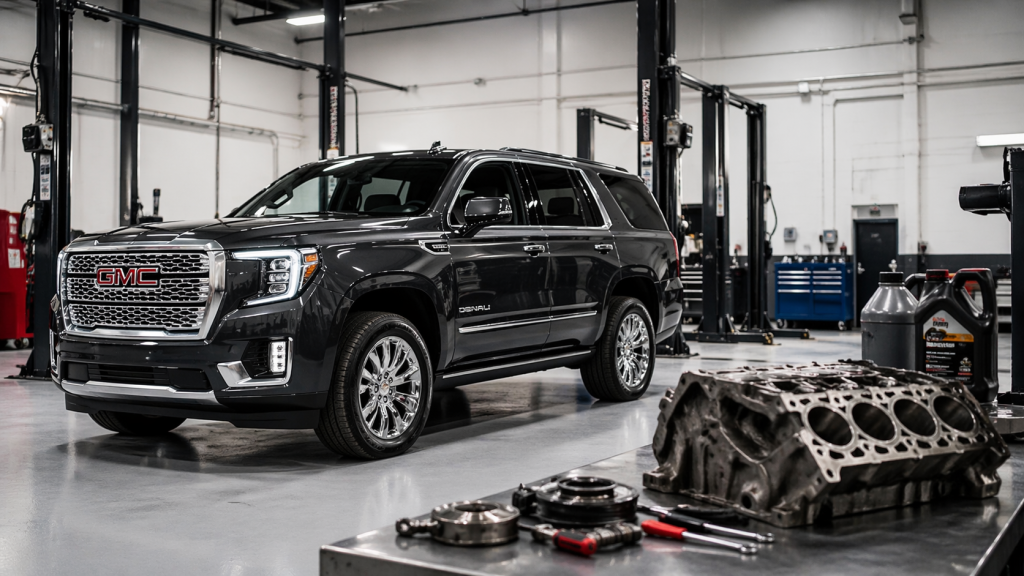
How GMC Engine Recalls Are Identified And What They Mean
Many drivers ask what a GMC engine recall actually is and whether it means something is wrong with their specific vehicle. A recall is a manufacturer issued action that addresses a defect related to safety or performance that has been identified across a group of vehicles.
In a GMC Sierra, this process begins when data from vehicles in use reveals a pattern that indicates a potential issue. Engineers analyze this information to determine whether the concern is related to a component, system design, or manufacturing process.
Once a recall is issued, it applies to vehicles that share the same condition.
Read the rest of this entry »

