



GMC designs its full size SUVs to support how families move, not just where they go. The GMC Yukon and Yukon XL share the same foundation, the same capability, and the same design language, yet they are built to solve different problems. For growing Louisiana families, the decision is not simply about choosing the larger vehicle. It is about understanding how space, structure, and daily usability change between the two. The difference between Yukon and Yukon XL is not about features. It is about how those features are experienced when passengers, cargo, and real routines come into play.
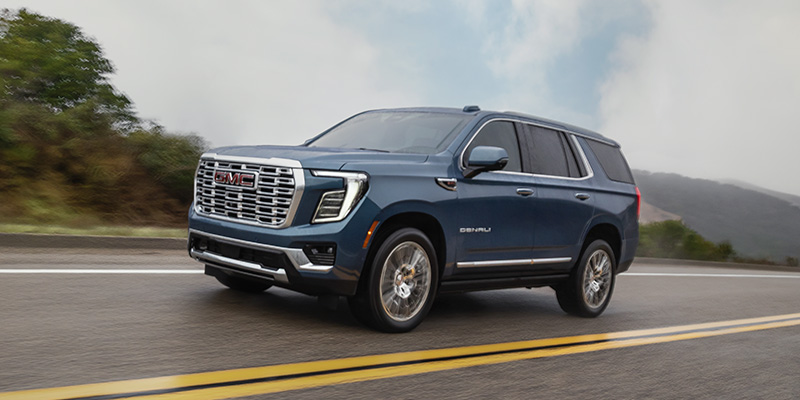
How Yukon And Yukon XL Are Built On The Same Platform With Different Dimensions
Many drivers ask what the difference is between the GMC Yukon and Yukon XL. The difference is defined by length and wheelbase, which directly influence how space is distributed throughout the vehicle.
Both the Yukon and Yukon XL are built on the same underlying platform. This means they share powertrains, technology, and core engineering. The Yukon XL extends that platform by increasing the wheelbase and overall length, which changes how interior space is allocated.
In a GMC Yukon, the shorter wheelbase creates a more compact footprint. In the Yukon XL, the extended structure increases distance between the axles, allowing more room behind the third row and additional passenger space.
- Yukon uses a shorter wheelbase for a more compact overall size
- Yukon XL extends the wheelbase to increase interior volume
- Both maintain the same core systems and capability
This structural difference matters because it determines how usable the interior space becomes when the vehicle is fully occupied.
How Length And Wheelbase Change Third Row Space
Families often want to know which GMC SUV offers more usable third row space. Third row space refers to the amount of legroom, headroom, and seating comfort available for passengers in the rear most seats.
In the GMC Yukon, the third row is designed to accommodate passengers, but space becomes more limited when the vehicle is fully loaded. The shorter wheelbase means less distance between seating rows.
In the GMC Yukon XL, the extended wheelbase increases the spacing between rows. This allows for more legroom and a more natural seating position in the third row.
- Increased wheelbase creates more legroom for rear passengers
- Seating positions feel less compressed in the Yukon XL
- Longer interior layout supports more consistent comfort across all rows
For families with older children or frequent third row use, this difference becomes noticeable during longer drives.
How Cargo Space Actually Differs In Daily Use
Drivers often ask whether the Yukon XL has more cargo space, but the real question is how that space works in everyday situations. Cargo space refers not just to volume, but to usable depth behind the third row.
In the GMC Yukon, cargo space behind the third row is more limited. When all seats are occupied, storage must be managed carefully, especially for larger items.
In the GMC Yukon XL, the added length significantly increases cargo depth. This allows more room for luggage, sports equipment, or everyday items without needing to fold seats.
- Yukon XL provides deeper cargo space behind the third row
- Yukon requires more frequent seat adjustments for larger loads
- Additional cargo depth improves flexibility for family use
This difference becomes important during travel, school activities, and daily routines where both passengers and cargo need to fit at the same time.
How Size Impacts Driving And Maneuverability
Another concern is whether the larger Yukon XL is harder to drive. Size impacts how a vehicle responds in tight spaces, during parking, and in everyday maneuvering.
In the GMC Yukon, the shorter length makes it easier to navigate urban environments, park in smaller spaces, and manage tighter turns.
The GMC Yukon XL, while larger, is designed to maintain control and stability. The longer wheelbase provides a more planted feel at higher speeds, but it requires more awareness in confined areas.
- Shorter length improves maneuverability in tight spaces
- Longer wheelbase enhances stability on open roads
- Parking and turning require more space in the Yukon XL
For drivers, this means the choice involves balancing ease of movement with the benefits of added space.
How To Choose Based On Family Size And Lifestyle Needs
Choosing between the GMC Yukon and Yukon XL depends on how your family uses space every day. The decision is not about choosing the larger vehicle by default. It is about choosing the vehicle that aligns with your routine.
If your daily driving involves moderate passenger use and occasional cargo needs, the GMC Yukon provides a balanced solution that is easier to manage in tighter environments.
If your routine includes full seating, frequent travel, or the need to carry both passengers and cargo at the same time, the GMC Yukon XL offers the additional space required to support that lifestyle.
- Consider how often the third row will be used
- Evaluate how much cargo space is needed with all seats occupied
- Think about driving environments and parking conditions
For Louisiana families, where travel, activities, and daily movement vary, this decision becomes clearer when viewed through real use rather than specifications.


