



SUV shoppers in Gonzales rarely begin their search with a single model in mind. Instead, they compare across the GMC SUV lineup, evaluating how space, features, and pricing scale from compact to full-size options. Understanding how GMC SUVs are engineered for different needs allows buyers to narrow choices with confidence rather than defaulting to size or price alone.
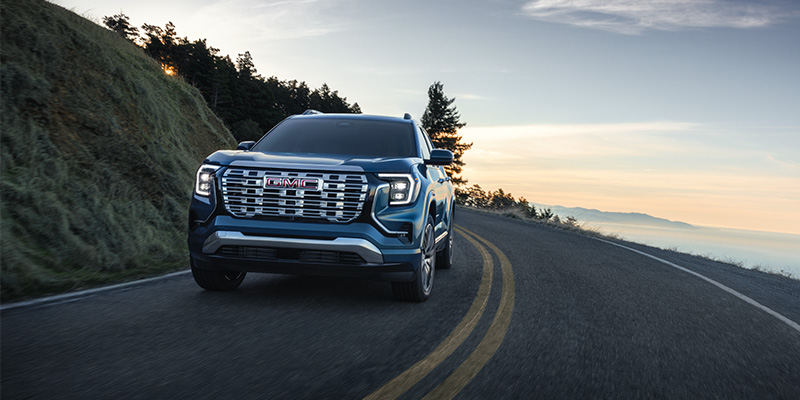
How GMC SUV Segments Are Designed
GMC SUVs are built across multiple segments, each serving a distinct role.
Compact SUVs emphasize:
- Maneuverability and efficiency
- Lower ownership costs
- Everyday commuting practicality
Midsize SUVs focus on:
- Expanded passenger and cargo flexibility
- Balanced size for families
- Greater technology availability
Full-size SUVs deliver:
- Maximum interior volume
- Higher towing and load capability
- Long-distance comfort for passengers
Each segment reflects a different ownership priority rather than a simple upgrade path.
Interior Space Versus Usable Space
Interior measurements can be misleading without context. Usable space is shaped by layout, seat design, and access.
Key usability considerations include:
- Third row access and legroom
- Cargo depth behind rear seats
- Seat folding mechanisms creating flat load floors
- Door opening size affecting daily loading
Many shoppers find midsize SUVs provide sufficient space without the parking and operating demands of full-size models.
Technology as a Comparison Driver
Technology has become a primary decision factor in SUV shopping.
Common systems evaluated include:
- Infotainment interface clarity and responsiveness
- Smartphone integration reliability
- Driver assistance features supporting daily driving
- Camera systems improving visibility
GMC structures technology availability so buyers can prioritize features without automatically stepping into a larger vehicle.
Pricing Logic Across the GMC SUV Lineup
SUV pricing reflects engineering differences more than appearance.
Pricing is influenced by:
- Vehicle size and platform strength
- Drivetrain configuration including all-wheel drive
- Technology and safety system content
- Interior material quality
Understanding these factors helps buyers recognize value rather than focusing on surface price comparisons.
Avoiding Overbuying Capability
One of the most common SUV shopping mistakes is purchasing more capability than necessary.
Questions buyers should evaluate:
- How often is maximum passenger capacity used
- Is towing a regular requirement or an occasional scenario
- Does daily driving occur in tight urban areas or open highways
- Are long road trips common
Answering these questions often leads shoppers toward midsize solutions rather than defaulting to full-size options.
Ownership Costs Beyond Purchase Price
Long-term ownership plays a critical role in SUV satisfaction.
Cost considerations include:
- Fuel consumption tied to vehicle mass
- Tire and brake replacement frequency
- Maintenance access and complexity
- Insurance differences by size class
Smaller SUVs typically deliver lower operating costs, while larger SUVs justify expense through capability.
How Local Availability Shapes Decisions
Local inventory influences SUV selection more than national comparisons.
Buyers factor in:
- Availability of preferred trims and colors
- Immediate purchase versus waiting for specific configurations
- Seasonal demand affecting selection
A broader inventory allows shoppers to compare features directly rather than compromise.
Making a Confident GMC SUV Comparison
Effective GMC SUV shopping begins by aligning space needs, technology priorities, and budget expectations. Comparing across segments with a clear understanding of platform intent leads to better long-term satisfaction and avoids unnecessary ownership cost.
Rather than choosing the biggest or least expensive option, informed buyers select the SUV engineered to support how they actually drive.


