



A vehicle inspection report dealership guide should explain what was checked, measured, found, and recommended before purchase. A useful report records present wear, visible defects, diagnostic findings, and repair needs. It should also identify the exact vehicle through its identification number.
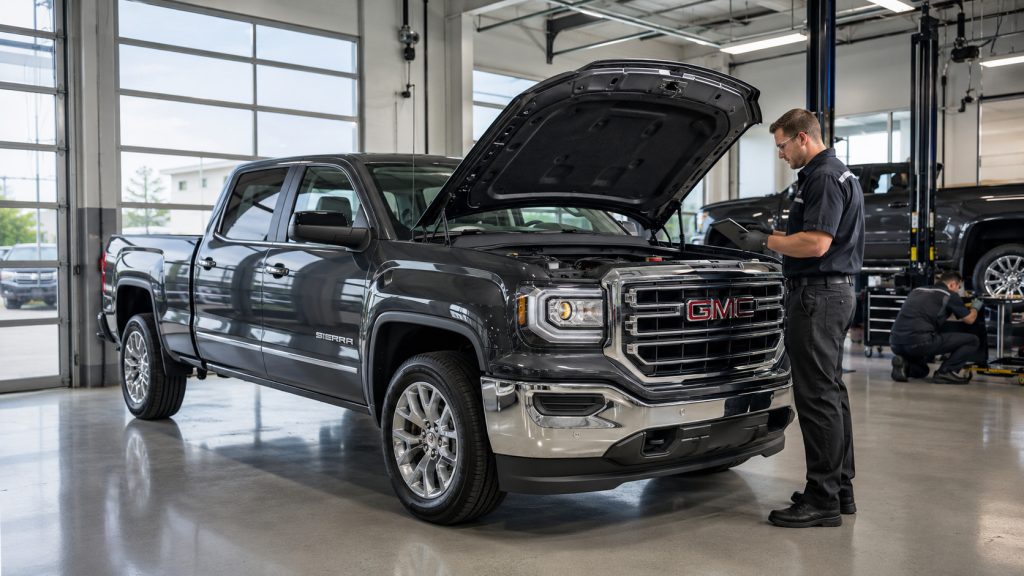
No inspection can promise a repair free future. However, a detailed report gives Gonzales shoppers stronger information before signing. It also creates a written record for pricing, service, and warranty discussions.
What a Vehicle Inspection Report Should Explain
What should a vehicle inspection report show before you purchase a used vehicle? A useful report records measured wear, visible defects, diagnostic findings, and recommended repairs.
The report should name the technician or shop that completed the work. It should also show the inspection date and current mileage. In addition, the vehicle identification number should match the unit under review.
A useful report should include:
- Tire tread depth and tire age should appear for all four positions.
- Brake pad measurements and rotor findings should appear in writing.
- Fluid levels, leaks, battery test results, and warning lights should be recorded.
- Diagnostic codes and road test findings should include clear notes.
- Repair needs should be grouped by urgency and estimated timing.
A simple checkmark gives little context. By contrast, measurements show how much material remains and which items may need service soon.
Why History Records Do Not Replace Inspection
A vehicle history report reviews recorded events from the past. It may show title records, reported collisions, mileage entries, prior owners, and some service work.
However, not every repair enters a reporting database. Private work, small body repairs, and unreported damage may never appear. Therefore, a clean history report cannot prove clean current condition.
A physical inspection answers a different question. It reviews what the vehicle shows today. Paint differences, panel gaps, leaks, tire wear, and warning codes can reveal concerns outside the history file.
Service records add another layer. They may confirm oil changes, brake work, fluid service, or major repairs. Still, missing records do not prove that care never occurred.
For this reason, shoppers should review the history file, service records, and physical report together. Each source fills a different information gap.
What Tires Brakes and Suspension Can Reveal
Tires can reveal more than remaining tread. The report should record tread depth, tire age, sidewall damage, matching type, and wear shape.
Uneven wear can point toward low pressure, missed rotations, worn steering parts, suspension wear, or wheel geometry concerns. Therefore, the report should explain the pattern and any next step.
Brake review should include pad thickness, rotor surface, brake fluid, pedal feel, and warning lights. A vehicle may stop normally while still nearing brake service.
Steering and suspension parts also deserve close review. Worn joints, bushings, shocks, or struts can create noise, looseness, or poor tire wear.
During the road test, the vehicle should track straight and brake smoothly. Vibration, pulling, clunks, or repeated noise should appear in the written findings.
These measurements create a clearer repair picture. They also make price discussions more specific.
What Fluids and Underhood Checks Should Cover
Fluid review should include levels, visible condition, odor, and leak location. Engine oil, coolant, brake fluid, and accessible driveline fluids deserve attention.
Dark fluid alone does not prove internal damage. Therefore, the technician should compare visual findings with service records, mileage, and manufacturer intervals.
Leaks need clear notes. The report should identify the fluid type, source area, severity, and need for further testing. A damp area and an active drip require different responses.
Battery testing should include measured condition and starting strength. Belts, hoses, filters, terminals, and cooling parts should also receive review.
The underbody can reveal fluid loss, impact damage, corrosion, or loose shields. In addition, the exhaust should receive a visual check for damage or leaks.
A written report should separate maintenance needs from diagnostic concerns. That distinction keeps routine service from sounding like confirmed mechanical failure.
Why the Scan and Road Test Both Matter
A diagnostic scan reads active, pending, and stored fault codes. It can add useful electronic information even when no warning light appears.
Still, a scan cannot measure tire age, brake thickness, fluid leaks, or body repairs. It also cannot confirm how the vehicle feels while moving.
The road test should include changing speeds, turns, bumps, and controlled braking. Those inputs test steering, shifting, braking, suspension movement, and noise.
The driver should note delayed shifts, vibration, pulling, steering play, brake pulsation, or unusual sounds. Climate controls, cameras, windows, locks, and interior electronics should also receive testing.
One short loop on a smooth road may miss concerns. Therefore, the route should include several surfaces and speeds when safe.
Electronic data and road feedback should support each other. When either source raises concern, further diagnosis may be needed before purchase.
Which Documents Should Be Reviewed Before Signing
The inspection report is one part of the final review. Gonzales shoppers should also read the history file and federal window notice. Service records, recall information, and warranty terms deserve review too.
Before signing, confirm these items:
- The federal window notice should state whether warranty coverage applies or the vehicle is sold as is.
- Written warranty terms should identify covered parts, limits, dates, and required steps.
- Any promised repair should appear in the purchase paperwork.
- Open recall information should match the exact vehicle identification number.
- The inspection report should list findings, measurements, and repair priorities.
An inspection does not create warranty coverage. A warranty defines which repairs may receive coverage under its written terms.
Spoken repair promises can become difficult to prove later. Therefore, every promised repair should appear in writing before delivery.
Ross Downing GMC Gonzales can review inspection records, warranty details, and service history for available used vehicles. Shoppers should ask questions before signing and keep copies of every document.
A thorough review cannot predict every future repair. However, it can show current wear, known concerns, and near term service needs. That information supports a more informed used vehicle decision.


