



When Gonzales drivers shop for a GMC heavy-duty truck, the conversation centers on capability, not appearance. The decision usually comes down to three technical factors: 2500HD versus 3500HD, gas versus diesel, and single rear wheel versus dual rear wheel.
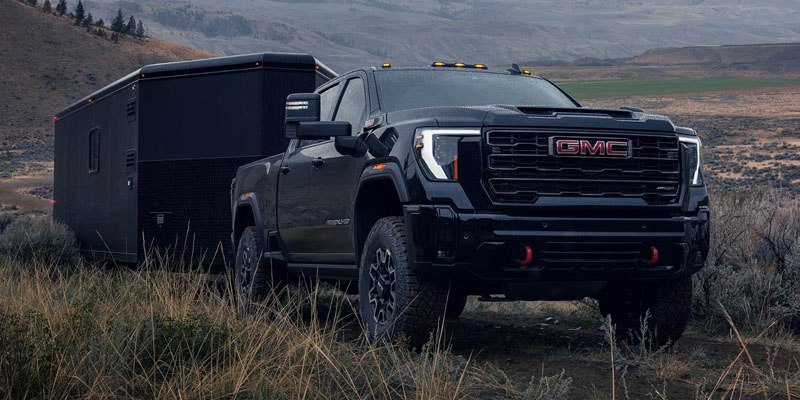
Heavy-duty trucks are engineered around frame strength, axle ratings, drivetrain durability, and cooling capacity. Understanding how those systems differ ensures you choose the right platform for your workload rather than simply stepping into the largest badge.
2500HD vs 3500HD: Structural and Capacity Differences
Both the Sierra 2500HD and 3500HD share core heavy-duty architecture. They use reinforced boxed frames, heavy-duty rear axles, and commercial-grade suspension components. The difference lies in capacity thresholds.
Sierra 2500HD:
- Designed for substantial towing and hauling without stepping into maximum commercial limits
- Lower gross vehicle weight rating than the 3500HD
- Ideal for large campers, equipment trailers, and contractor work
Sierra 3500HD:
- Higher gross vehicle weight rating
- Available in single rear wheel and dual rear wheel configurations
- Built for maximum fifth-wheel and gooseneck stability
The 3500HD does not just increase towing numbers. It increases payload strength, rear axle durability, and frame load tolerance.
If you routinely tow near the upper limit of a 2500HD, stepping into a 3500HD provides margin and long-term drivetrain protection.
Gas vs Diesel: 6.6L V8 or 6.6L Duramax
Engine choice is one of the most researched decisions in heavy-duty truck ownership.
6.6L V8 Gas Engine:
- Strong horsepower delivery
- Lower upfront cost
- Simpler emissions systems compared to diesel
- Well-suited for moderate towing and daily work use
6.6L Duramax Turbo-Diesel:
- Significantly higher torque output
- Designed for sustained heavy towing
- Greater low-RPM pulling strength
- Paired with the Allison 10-speed automatic transmission
Torque matters more than horsepower when towing heavy trailers. The Duramax diesel produces substantial torque at lower engine speeds, which supports pulling large fifth-wheel campers or equipment trailers without constant high RPM operation.
For drivers towing occasionally, the gas engine may provide sufficient capability. For drivers towing heavy loads regularly, diesel torque and durability provide long-term benefit.
The Allison 10-Speed Automatic Transmission
The Duramax diesel is paired with the Allison 10-speed automatic transmission. This transmission is engineered specifically for heavy-duty torque management.
Benefits include:
- Closer gear ratios for smoother acceleration under load
- Improved engine braking control
- Enhanced cooling under sustained towing conditions
- Reduced stress on drivetrain components
Transmission strength is critical in heavy-duty applications. The Allison system is calibrated for commercial-grade durability.
Towing Capacity and Real-World Application
Towing capacity varies significantly based on configuration.
Sierra 2500HD:
- Maximum conventional towing over 20,000 pounds when properly equipped
Sierra 3500HD:
- Fifth-wheel and gooseneck towing exceeding 30,000 pounds in certain dual rear wheel configurations
These numbers reflect properly equipped models with appropriate axle ratios and trailering packages.
When evaluating towing needs, consider:
- Trailer type: conventional, gooseneck, or fifth-wheel
- Trailer weight fully loaded, not dry weight
- Cargo inside the truck while towing
Fifth-wheel towing requires additional bed-mounted hardware and weight distribution planning. The 3500HD, particularly in dual rear wheel form, provides greater lateral stability under heavy fifth-wheel loads.
Payload Capacity: What the Bed Can Handle
Payload is the total weight your truck can carry including passengers, cargo, and hitch weight.
Higher payload ratings are essential for:
- Construction materials
- Heavy equipment in the bed
- Fifth-wheel pin weight
The 3500HD typically provides higher maximum payload compared to the 2500HD due to reinforced rear suspension and axle strength.
Choosing a truck with sufficient payload capacity prevents overloading the rear suspension and maintains braking and steering integrity.
Single Rear Wheel vs Dual Rear Wheel
One of the most visible distinctions in heavy-duty trucks is rear wheel configuration.
Single Rear Wheel:
- Easier daily maneuverability
- Narrower footprint
- More convenient parking and city driving
Dual Rear Wheel:
- Increased stability when towing heavy fifth-wheel trailers
- Higher payload capacity
- Wider rear stance for load distribution
Dually configurations are ideal for RV owners towing large campers or operators hauling extremely heavy trailers. However, they require more space awareness in daily use.
GVWR and GCWR Explained
Gross Vehicle Weight Rating refers to the maximum total weight of the truck including passengers and cargo.
Gross Combined Weight Rating refers to the maximum total weight of the truck plus trailer combined.
Understanding these ratings prevents exceeding engineered limits and protects braking, steering, and frame integrity.
Heavy-duty trucks are built with these ratings in mind. Matching your trailer and cargo weight to appropriate GVWR and GCWR ensures safe operation.
Cab and Bed Configurations
Sierra HD models are available in:
- Regular Cab
- Double Cab
- Crew Cab
Bed lengths vary to support either work-site utility or fifth-wheel mounting space.
Longer beds provide:
- Improved weight distribution for gooseneck towing
- Greater cargo flexibility
Crew Cab models provide rear passenger space suited for job crews or family travel.
Trim Levels and Buyer Priorities
Available trims include:
- Pro for work-focused configurations
- SLE and SLT for balanced utility and comfort
- AT4 for off-road enhancements
- Denali and Denali Ultimate for premium interior materials and technology
Capability remains central across trims, but interior refinement and driver assistance features scale upward in premium models.
How Gonzales Drivers Make the Decision
The typical evaluation process includes:
- Determining maximum trailer weight
- Calculating payload requirements including hitch weight
- Choosing gas or diesel based on frequency of heavy towing
- Deciding between single and dual rear wheel stability
- Balancing daily drivability with maximum capacity
Heavy-duty trucks are investments in durability and capability. The correct configuration is defined by real workload, not marketing labels.
For Gonzales drivers towing livestock trailers, construction equipment, or large RVs, understanding these mechanical distinctions ensures long-term confidence and safety.


