



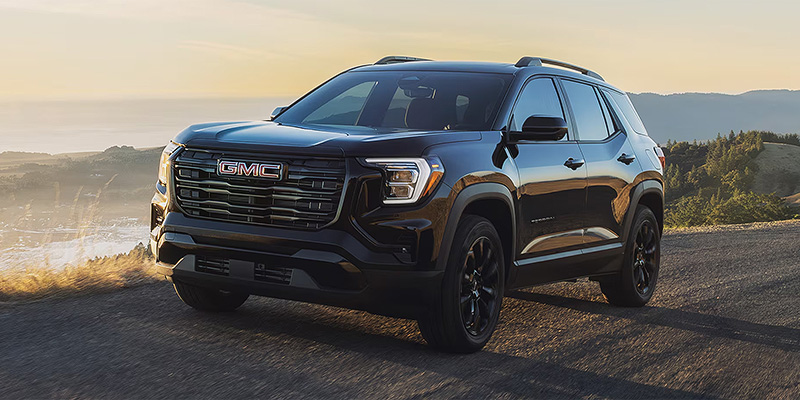
The 2026 GMC Terrain is engineered for drivers who want a compact SUV that feels modern, intuitive, and easy to live with every day. Rather than focusing on extreme performance or oversized dimensions, the Terrain emphasizes technology that simplifies driving, interior design that supports comfort over long stretches, and practical features that adapt to real household use. Understanding how these systems work together is what helps shoppers determine whether the Terrain fits their daily routines.
Interior Technology and Infotainment Systems
Technology in the 2026 GMC Terrain is designed to reduce friction between the driver and the vehicle. The infotainment system centers on a responsive touchscreen interface that integrates smartphone connectivity, navigation support, and vehicle information in a single, easy to access layout. Controls are positioned to minimize distraction, allowing drivers to make adjustments without shifting focus away from the road.
Wireless smartphone integration allows compatible devices to connect automatically, eliminating the need for cables during short trips or frequent errands. Voice recognition capabilities further reduce manual input, which is especially useful in stop and go traffic or during longer commutes.
From a usability standpoint:
- Screen menus are structured for quick access rather than deep navigation
- Physical controls remain available for frequently used functions
- Audio and navigation systems respond quickly to input without lag
This approach supports daily driving where convenience and clarity matter more than feature overload.
Driver Assistance and Safety Systems
Safety technology in the 2026 Terrain is built around assisting the driver rather than replacing them. Advanced driver assistance systems monitor surrounding traffic, lane position, and vehicle speed to provide alerts and support when needed.
Key systems operate continuously in the background, helping manage common driving scenarios such as highway cruising, urban congestion, and parking. These features are especially valuable for drivers who spend a lot of time in mixed traffic conditions.
Driver assistance systems support:
- Maintaining lane position during extended highway driving
- Alerting drivers to vehicles in blind spots
- Managing following distance in changing traffic flow
- Enhancing awareness in low speed or tight maneuvering situations
Rather than being intrusive, these systems are calibrated to intervene smoothly, reinforcing driver confidence without creating unnecessary alerts.
Seating Comfort and Cabin Layout
Comfort in the GMC Terrain is driven by thoughtful interior proportions and seating design. Front seats are shaped to support posture over longer drives, reducing fatigue during daily commutes or weekend travel. Seat height and visibility are optimized to give drivers a clear view of the road without feeling elevated or disconnected.
Rear seating is designed to accommodate passengers comfortably while maintaining flexibility for cargo. The cabin layout balances passenger space with storage needs, making it suitable for families, commuters, and drivers who frequently transport gear or groceries.
Interior design priorities include:
- Straightforward seating adjustments for multiple drivers
- Materials selected for durability and comfort rather than softness alone
- Clear sightlines that improve driver awareness in traffic
Cargo Space and Everyday Flexibility
Practicality is a defining element of the Terrain. Cargo space is configured to adapt easily between passenger and storage needs. The rear cargo area supports everyday hauling tasks such as shopping, sports equipment, or work supplies, while folding rear seats allow the space to expand when needed.
This flexibility is important for owners who use their vehicle for a mix of personal and professional tasks. The ability to quickly reconfigure the interior reduces the need for larger vehicles while still meeting daily demands.
Daily Driving Ergonomics
The Terrain is engineered to feel predictable and manageable in everyday driving. Steering response is tuned for stability and ease rather than sharpness, which supports confident driving in both city and highway environments. Pedal response and braking behavior are calibrated to feel smooth and consistent, reducing fatigue during frequent stops.
Visibility plays a key role in daily usability. Window placement, mirror positioning, and camera assistance systems work together to improve awareness when changing lanes, merging, or parking.
From an ownership perspective, these design choices contribute to:
- Reduced stress in congested driving environments
- Easier adaptation for drivers transitioning from smaller or larger vehicles
- A driving experience that feels intuitive rather than demanding
How the Terrain Fits into the Compact SUV Segment
Compared to other compact SUVs, the 2026 GMC Terrain prioritizes balance. It avoids extreme styling or overly complex technology in favor of systems that are easy to understand and consistently useful. This makes it appealing to buyers who want a vehicle that integrates smoothly into daily life without requiring constant adjustment or learning curves.
The Terrain is especially well suited for:
- Daily commuting and errand running
- Small families needing adaptable interior space
- Drivers who value technology that simplifies rather than complicates
- Owners planning long term use with predictable maintenance needs
Final Perspective
The 2026 GMC Terrain focuses on the realities of everyday driving. Its technology supports convenience and safety, its interior design emphasizes comfort and visibility, and its flexible layout adapts to changing needs. Rather than competing on extremes, the Terrain delivers a well rounded compact SUV experience built around practicality, ease of use, and confidence behind the wheel.
For shoppers evaluating compact SUVs based on real world functionality rather than spec sheet highlights, the Terrain offers a thoughtful balance of technology, comfort, and everyday usability.


