


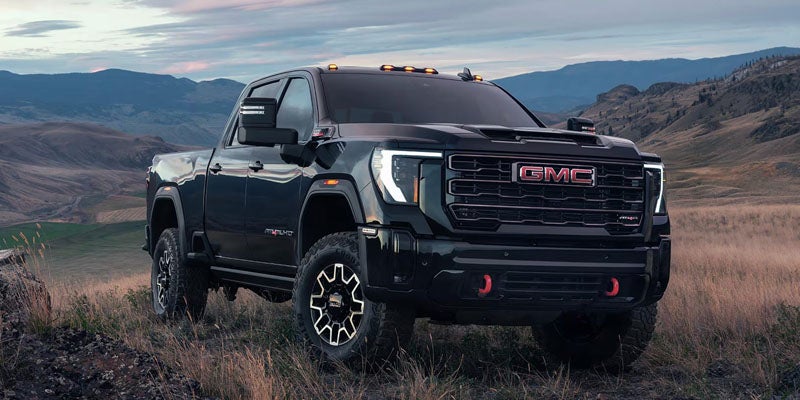
Choosing between the GMC Sierra 2500 HD and Sierra 3500 HD is not about which truck looks tougher. It is about understanding how each truck is engineered to handle weight, stress, and long-term work demands. While both are heavy-duty pickups, they are designed to solve different problems on the job site.
Core Structural Difference Between 2500 HD and 3500 HD
At a glance, the two trucks appear nearly identical. The real difference is found underneath.
Both trucks share:
- Heavy-duty ladder frame construction
- Similar cab and bed options
- Available gasoline and diesel powertrains
The separation comes from rear suspension design and axle load capacity.
The Sierra 2500 HD is engineered to balance heavy towing with daily usability. The Sierra 3500 HD is engineered to carry and control significantly more weight on a consistent basis.
Towing Capacity Versus Payload Explained
Many buyers focus on towing numbers, but payload is often the limiting factor.
Towing refers to the weight pulled behind the truck.
Payload refers to everything placed on the truck including trailer tongue weight, cargo, tools, fuel, and passengers.
Key distinctions:
- Sierra 2500 HD supports heavy trailers but reaches payload limits sooner
- Sierra 3500 HD is designed to manage higher vertical load without suspension compression
- Dual rear wheel configurations on the 3500 HD dramatically increase payload stability
For gooseneck or fifth-wheel trailers, payload capacity is often the deciding factor, not maximum tow rating.
Single Rear Wheel Versus Dual Rear Wheel Function
The dual rear wheel option on the Sierra 3500 HD is not cosmetic.
Mechanical advantages include:
- Wider rear tire contact patch
- Increased lateral stability under load
- Reduced sidewall flex when hauling heavy vertical weight
- Improved control during crosswinds and uneven surfaces
For commercial trailers, construction equipment, and heavy material hauling, these factors directly affect safety and control.
Powertrain Behavior Under Load
Both trucks offer powerful engine options, but how they deliver power matters.
Gasoline engines provide:
- Lower upfront cost
- Strong capability for moderate towing
- Simpler ownership for lighter duty cycles
Diesel engines deliver:
- High torque at low engine speed
- Better thermal management under sustained load
- Improved control on grades and long highway pulls
For operators towing daily or over long distances, diesel torque characteristics reduce drivetrain stress and driver fatigue.
Suspension and Load Control
Suspension tuning separates these trucks more than horsepower.
Sierra 2500 HD suspension:
- Tuned to balance ride comfort and work capability
- Suitable for trailers that are heavy but not extreme
Sierra 3500 HD suspension:
- Stiffer rear spring rates
- Designed to remain level under constant load
- Better long-term durability when operating near capacity
This difference becomes obvious when hauling frequently rather than occasionally.
Which Truck Fits Which Work Profile
The right choice depends on how the truck is used most days.
Sierra 2500 HD fits buyers who:
- Tow heavy equipment occasionally
- Need daily drivability alongside work capability
- Want HD strength without maximum payload requirements
Sierra 3500 HD fits buyers who:
- Haul heavy loads regularly
- Use gooseneck or fifth-wheel trailers
- Require maximum stability and legal payload margin
- Operate commercially or under constant load
Choosing a truck with more capability than required increases cost and ride stiffness. Choosing one with too little capability increases wear and risk.
Long-Term Ownership and Durability Considerations
Heavy-duty trucks are built for longevity, but operating near limits accelerates wear.
The 3500 HD is designed to:
- Carry heavy loads without constant suspension stress
- Reduce brake and drivetrain strain under load
- Maintain handling consistency over time
For buyers operating at the upper end of weight ratings, this difference affects long-term reliability.
Final Work-Focused Perspective
The GMC Sierra 2500 HD and 3500 HD are both serious work trucks, but they serve different roles. The 2500 HD is a versatile heavy-duty solution for demanding jobs with mixed daily use. The 3500 HD is a purpose-built tool for sustained heavy hauling where payload, stability, and control are non-negotiable.
Understanding how weight is carried, not just how much is towed, is the key to choosing the right truck for the work ahead.