



GMC Hummer EV pickup research usually starts with battery range and charging questions, but Louisiana buyers should also evaluate towing impact, charging infrastructure, off road engineering, and how EV truck ownership changes daily driving routines. Moving from a gas powered truck into an electric pickup changes fueling habits, weight distribution, acceleration feel, braking response, and trip planning. The HUMMER EV introduces an entirely different truck architecture through battery powered propulsion, four wheel steering, regenerative braking, and high output electric torque delivery. Buyers considering this GMC truck should understand how those features function during daily ownership before deciding whether the transition fits their driving routines.
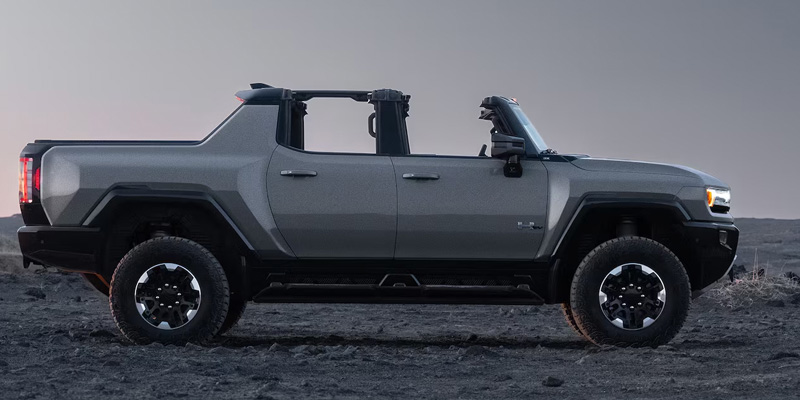
The HUMMER EV Drives Differently Than a Gas Powered Truck
How does the GMC Hummer EV pickup work differently from a gas truck? The largest differences involve power delivery, braking feel, weight distribution, and how the truck stores and uses energy.
Gas powered trucks rely on combustion engines that build power progressively through engine RPM and gear changes. The Hummer EV uses electric drive motors powered by the Ultium battery platform. Electric motors deliver torque immediately, creating instant acceleration without waiting for gear changes or engine buildup.
That changes how the truck responds during:
• Highway merging
• Low speed maneuvering
• Off road crawling
• Acceleration from a stop
• Trailer movement from launch
The battery structure also changes weight placement. Instead of carrying most drivetrain weight at the front of the truck, the battery pack stretches across the lower chassis floor. This lowers the truck’s center of gravity and changes body movement during cornering and uneven terrain.
Regenerative braking creates another major adjustment for first time EV truck owners. During deceleration, the electric motors reverse function and recover energy back into the battery. The truck slows while simultaneously recharging battery power. Drivers transitioning from traditional trucks may notice stronger deceleration response when lifting off the accelerator pedal.
The GMC Hummer EV pickup also introduces features such as Watts to Freedom acceleration mode and four wheel steering layouts that behave differently from traditional heavy duty truck steering systems.
Charging Expectations Change Based on Charger Type
Can you charge the Hummer EV at home? Most owners complete the majority of charging through home charging equipment installed directly at the residence.
Home charging speed depends heavily on charger type and electrical setup. Standard household outlets charge very slowly due to lower voltage output. Level 2 charging equipment increases charging speed substantially by using higher voltage electrical service similar to larger household appliances.
Most EV truck buyers installing home charging equipment evaluate:
• Garage electrical capacity
• Charger installation location
• Daily driving mileage
• Charging overnight routines
• Local electrician availability
Public charging introduces another layer of ownership planning. DC fast chargers operate at much higher voltage levels than residential charging equipment and replenish battery range significantly faster during travel.
Charging speed varies because battery temperature, charger output, and battery percentage all influence charging rates. Batteries usually charge fastest during lower state of charge ranges and slow charging speed as they approach full capacity.
Louisiana buyers should also evaluate evacuation travel routes, highway charging corridors, and local fast charger availability before purchasing an electric truck. Hurricane evacuation planning changes slightly for EV ownership because charging infrastructure availability becomes part of long distance travel preparation.
Battery Range Changes Under Workload and Towing
Why does towing reduce EV range? Towing increases energy demand substantially because the battery must move additional weight while overcoming greater aerodynamic drag.
Range estimates shown during GMC Hummer EV pickup research reflect controlled testing situations. Actual range changes based on speed, terrain, temperature, tire selection, payload weight, trailer resistance, and acceleration habits.
Trailer towing creates two major energy demands:
- Increased rolling resistance from added weight
- Increased aerodynamic drag from trailer surface area
Large enclosed trailers create substantial air resistance at highway speed. The battery works harder to maintain speed, increasing energy consumption more rapidly than unloaded driving.
Buyers researching hummer EV range should understand that:
• Highway driving consumes energy faster than city driving
• Aggressive acceleration increases battery usage
• Larger tires alter energy efficiency
• Cold temperatures reduce battery efficiency
• Towing reduces total driving range substantially
Battery thermal management also plays a major role in EV truck operation. The Hummer EV uses cooling systems that regulate battery temperature during charging, acceleration, towing, and hot weather operation. Louisiana heat increases the importance of thermal regulation because batteries operate most efficiently within controlled temperature ranges.
Trip planning changes slightly compared with gas powered trucks because charging stop duration matters more than quick fuel station visits.
Off Road Engineering Changes How the Truck Moves
What does CrabWalk actually do? CrabWalk allows all four wheels to turn in the same direction at low speed, moving the truck diagonally during tighter off road maneuvers.
Traditional trucks steer only through the front wheels. The Hummer EV adds four wheel steering capability that changes turning radius and maneuverability substantially during trail driving and obstacle navigation.
CrabWalk becomes useful during:
• Tight trail navigation
• Rock obstacles
• Narrow terrain passages
• Off road positioning adjustments
• Low speed maneuvering
Electric propulsion also changes off road torque delivery. Electric motors distribute torque with extremely fast response timing, allowing finer traction management during uneven terrain situations.
The heavier battery structure creates both strengths and tradeoffs. The lower center of gravity supports stability, while the overall vehicle weight becomes substantially higher than many traditional trucks.
The Hummer EV uses underbody shielding and suspension calibration to protect battery components during off road travel. Buyers researching electric truck off road capability should understand that battery protection becomes a central part of EV truck engineering.
What Louisiana Buyers Should Evaluate Before Purchasing
What should first time EV truck buyers evaluate? Buyers should evaluate charging access, towing expectations, travel routines, home electrical readiness, and how frequently the truck operates long distances.
The GMC Hummer EV pickup introduces a very different ownership structure from traditional trucks. Buyers comfortable with overnight charging routines and local driving patterns may adapt quickly. Drivers making constant long distance trips or frequent heavy towing runs should think carefully about charging logistics and route planning.
Louisiana buyers should evaluate:
• Home charger installation feasibility
• Hurricane evacuation travel planning
• Public charging availability
• Daily driving mileage
• Towing frequency
• Off road usage expectations
For buyers visiting Ross Downing GMC Gonzales, experiencing the Hummer EV in person provides a clearer understanding of how regenerative braking, electric acceleration, four wheel steering, and charging routines differ from traditional truck ownership. The transition into EV trucks becomes easier once buyers understand how the technology behaves during ordinary driving instead of viewing it only through specifications.


