



GMC Truck Shopping Gonzales
See which GMC trucks are available now for your work, towing, or daily driving needs in Gonzales
Compare GMC truck trims and features to decide which model fits your priorities before you shop
Contact Ross Downing GMC of Gonzales to review truck pricing, availability, and your next best option
| Sales | ||
| Day | Open | Closed |
| Monday | 8:30AM | 7:30PM |
| Tuesday | 8:30AM | 7:30PM |
| Wednesday | 8:30AM | 7:30PM |
| Thursday | 8:30AM | 7:30PM |
| Friday | 8:30AM | 7:30PM |
| Saturday | 9:00AM | 5:30PM |
| Sunday | Closed | Closed |
Compare GMC Truck Pricing, Inventory, and Feature Differences for Gonzales-Area Work, Towing, and Daily Driving Needs
Truck shopping in Gonzales rarely starts with a single question. Most buyers are weighing several decisions at once. They want to know which GMC truck actually fits the job, how local pricing should be interpreted, whether the inventory nearby includes the right cab and drivetrain setup, and which features will still matter after the first week of ownership. That creates a different kind of shopping process than a simple model search. The stronger decision does not come from choosing the first truck that looks close enough on paper. It comes from comparing truck class, ownership fit, and feature value in the right order. For shoppers balancing work demands, towing responsibilities, and everyday driving, that structure matters because a Canyon, Sierra 1500, and Sierra HD do not solve the same problem in the same way.
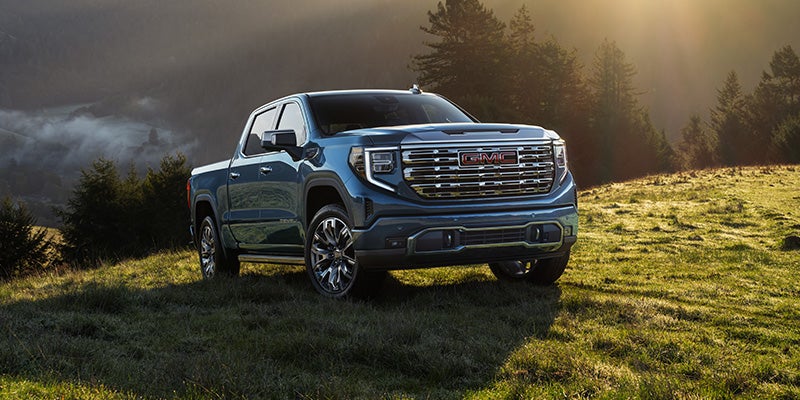
What Gonzales truck shoppers are really comparing
Many local truck pages focus only on capability claims, but comparison-stage shoppers are looking for something more practical. They are usually measuring one local GMC option against another and trying to understand whether the available inventory actually matches their needs. That means dealer comparison behavior is less about brand discovery and more about decision confidence. A buyer who needs a truck for weekday work and weekend towing is not helped by broad language alone. The more useful question is whether the local inventory includes the right truck class, the right configuration, and the right feature mix for the way that truck will be used over time.
This is where the shopping process can begin to split. Some buyers need a truck that will spend most of its life towing equipment, handling heavier payload demands, or supporting routine jobsite use. Others need a truck that can manage those tasks occasionally but still feels comfortable and manageable in daily driving. Those are not small differences. They shape whether a midsize truck, a light-duty full-size truck, or a heavy-duty model is the smarter choice. Comparing local GMC options becomes more useful once the shopper stops asking which truck looks strongest and starts asking which one matches the actual workload without creating unnecessary tradeoffs.
Why price comparisons only work when the trucks are matched correctly
Truck pricing can look inconsistent when two listings appear close at a glance but serve very different purposes. That is why a simple price-versus-price approach often leads shoppers in the wrong direction. A truck's price may reflect its class, drivetrain, trim, cab configuration, bed length, feature content, and any current incentives tied to that specific model. Comparing a well-equipped midsize truck to a differently configured light-duty truck, or treating a heavy-duty model as though it is just a more expensive version of the same thing, does not create a useful decision standard.
The stronger comparison is capability for cost. If most of your driving involves commuting, occasional hauling, and moderate trailer use, paying extra for heavy-duty capability you will rarely call on may not improve ownership value. On the other hand, choosing a truck that is easier on the budget but underbuilt for the work you expect from it can become the more expensive decision over time. Pricing makes the most sense when the truck's role is defined first. Once that happens, it becomes easier to evaluate whether a specific GMC truck is priced in a way that matches what it is built to deliver.
- Compare the same truck class first so midsize, light-duty, and heavy-duty roles are not being mixed together.
- Check the configuration details because drivetrain, cab style, and trim can change the ownership experience as much as the model name.
- Judge price against use so the truck's cost is measured against the work, towing, or daily-driving job it needs to handle.
That approach keeps the comparison grounded and helps a buyer decide with more precision instead of reacting to one number without context.
Choosing between Canyon, Sierra 1500, and Sierra HD
The most important truck decision usually happens before a shopper narrows down trims. It happens when deciding which truck family fits the job. The GMC Canyon is the right place to start when a buyer wants pickup utility with a more manageable size, especially if daily maneuverability and parking ease still matter. It can support meaningful truck use, but it does so in a package that feels easier to live with for shoppers who do not need a full-size footprint every day.
The Sierra 1500 is the broader middle ground. For many buyers, this is where versatility becomes strongest because the truck is large enough for serious towing and work use while still remaining appropriate for regular driving and family movement. It often becomes the best fit for buyers who do not want to outgrow a midsize truck but also do not need to move into heavy-duty territory.
Sierra HD serves a different decision entirely. It is the smarter move once the work requirement is heavy enough that a light-duty truck starts to become a compromise. That can include more frequent towing, greater payload expectations, or a longer-term need for a truck built around heavier demands. The key tradeoff is straightforward. Moving up in capability makes sense only when the added structure, size, and workload support will be used often enough to justify the shift. Otherwise, the better decision may be the truck that handles the job well while staying easier to live with through the rest of the week.
Which feature differences matter after the purchase
Capability may bring a shopper into the GMC truck conversation, but feature differences often determine whether ownership still feels right months later. A truck used mainly for work may prioritize practical equipment, bed access, towing support, and a trim level that keeps the cabin straightforward and durable. A truck that handles both work and long daily mileage may need more attention paid to seating comfort, connectivity, driver-assistance content, and the way the cabin supports hours behind the wheel. Those are not secondary considerations. They shape whether the truck continues to feel like a strong fit once the excitement of the shopping process fades.
This is also where trim comparison becomes more useful than broad feature lists. A shopper who only asks whether a truck has more equipment may miss whether those additions actually improve the way the truck will be used. The stronger question is what the features change. Do they make trailering easier to manage, daily driving less tiring, or longer trips more comfortable? If the answer is yes, the move up in trim may be justified. If not, the simpler configuration may deliver stronger value while still supporting the truck's main role.
- Work-focused shoppers should prioritize features that improve towing confidence, bed utility, and functional access.
- Mixed-use shoppers should weigh interior comfort and technology more heavily because the truck must serve both tasks and routine travel.
- Value-focused buyers should compare which features change ownership in a lasting way rather than which truck simply lists more content.
That kind of feature comparison helps the shopper choose a truck that feels appropriate not just on the lot, but in the everyday situations that follow.
Common questions when comparing GMC trucks in Gonzales
How should I compare GMC truck prices in Gonzales?
Start by comparing trucks with the same capability level, cab configuration, drivetrain, and trim. Price differences make more sense when the trucks are matched by purpose instead of grouped together because they share the same badge.
What is the difference between the GMC Canyon, Sierra 1500, and Sierra HD?
The Canyon is the midsize option for shoppers who want utility with a more manageable footprint. Sierra 1500 is the full-size choice for buyers who need stronger versatility for towing and work. Sierra HD is the better fit when heavy-duty capability is central to the truck's role.
What should I look for when comparing local GMC truck inventory?
Look beyond simple availability. The most useful comparison checks truck class, trim, drivetrain, towing fit, and whether the configuration supports the way the truck will be used week after week.
(Note: This article focuses on providing valuable information and does not mention specific pricing, for more information about financing and car buying, please reach out to our dealership.)