

Ross Downing GMC of Gonzales

Blog / Gonzales GMC Commercial Fleet

GMC Commercial Fleet Incentives for Sierra Businesses

GMC Commercial Fleet Incentives for Sierra Businesses

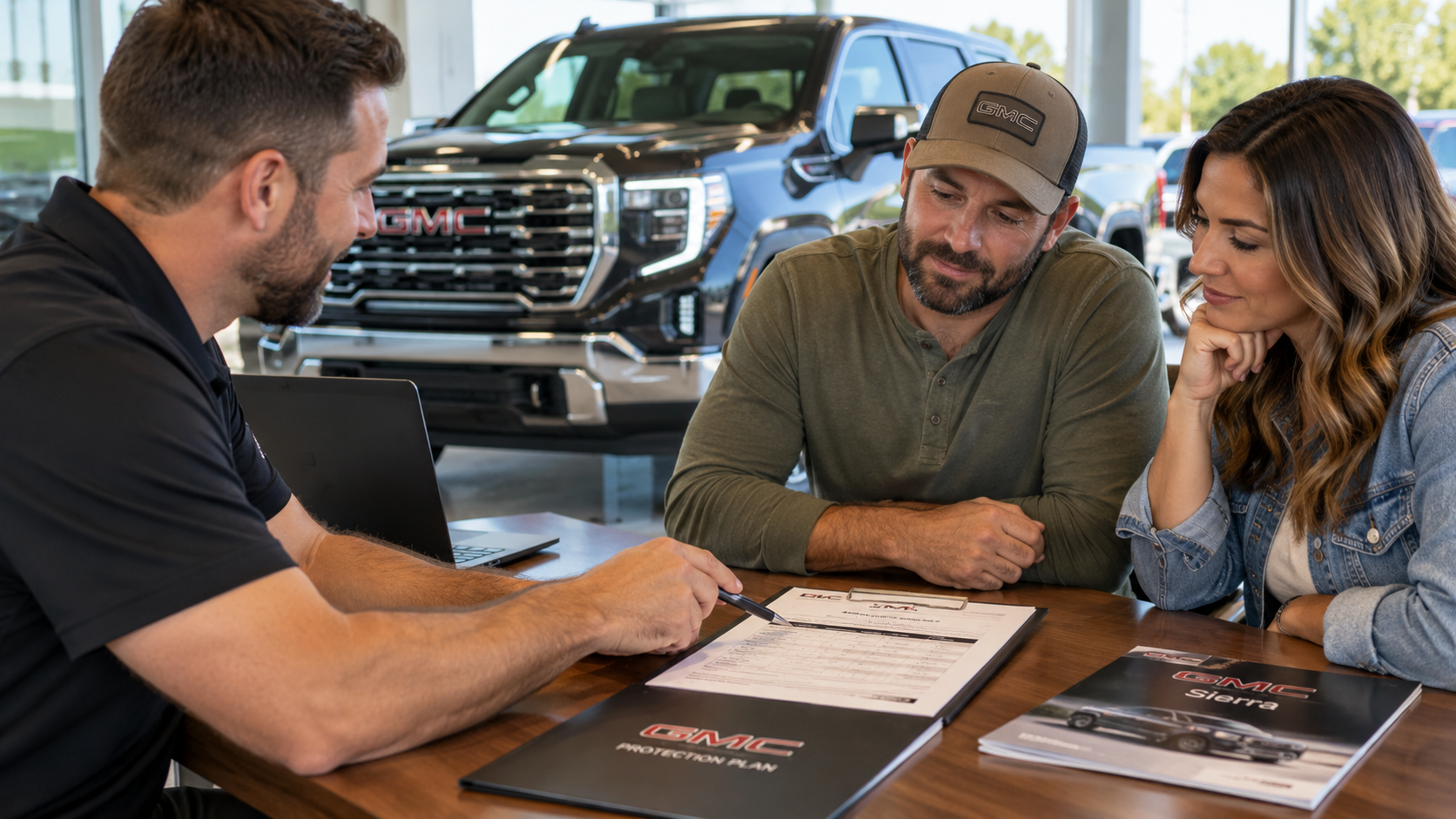
GMC commercial fleet incentives can lower certain vehicle or equipment costs when a qualifying business adds a Sierra. The first step is not choosing an offer. It is defining the work the truck must handle. Towing needs, payload, daily mileage, cab size, and employee use all shape the purchase. In addition, the business should review financing, tax questions, and service needs before signing.

Start With the Work Your Sierra Needs to Do

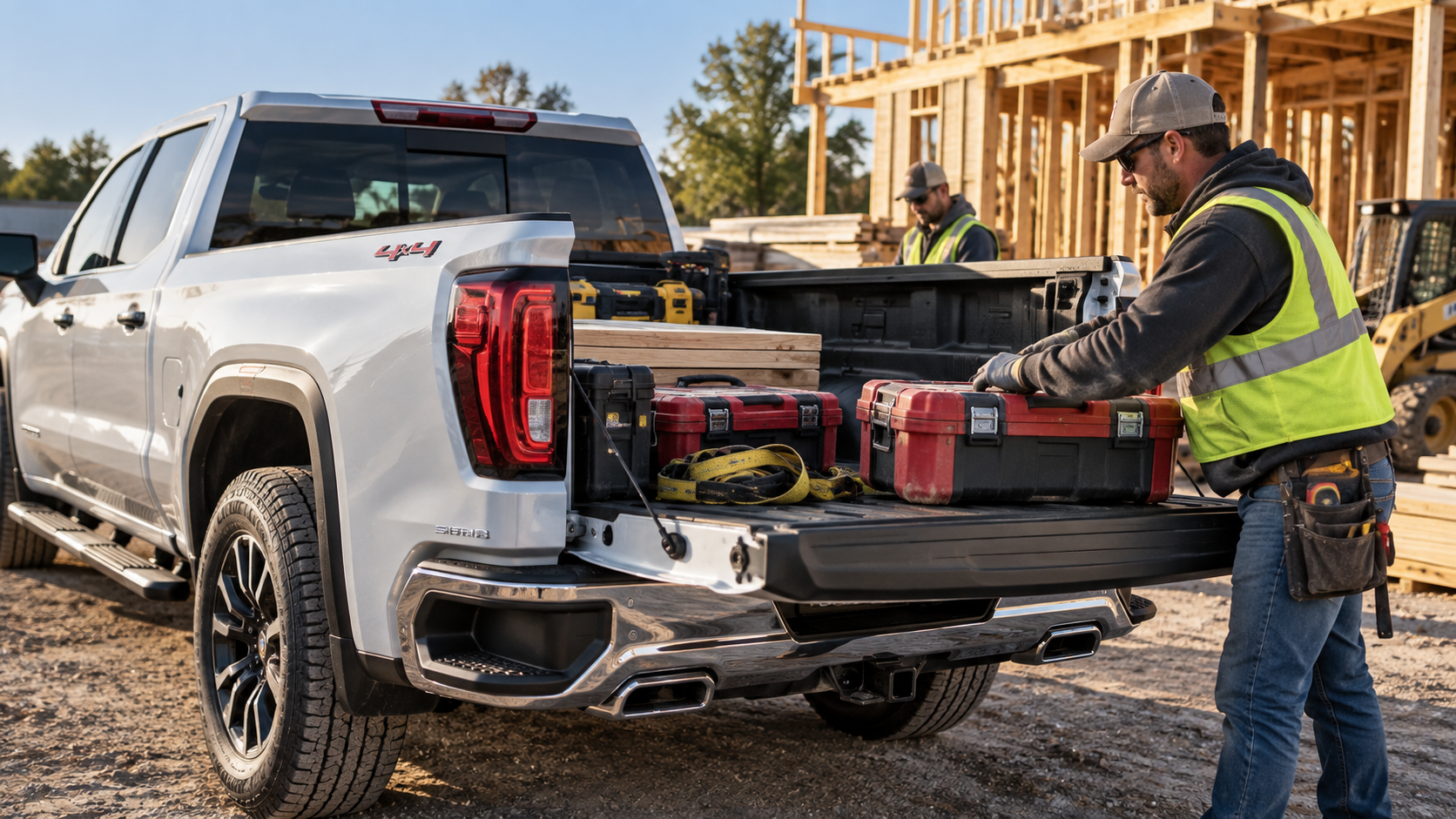
A work truck should match the tasks it will handle each day. That starts with the load, trailer, passengers, tools, and miles involved. A landscaping company may need bed space and towing hardware. A contractor may care more about cab space, tool storage, and jobsite access. A sales or service team may spend more time on highways and customer visits.

Before choosing a Sierra trim, define the core work:

  • List the trailer weights, payload needs, tools, and cargo the truck must carry.
  • Confirm how many employees will ride in the truck and how much cab space they need.
  • Estimate annual mileage, jobsite travel, highway travel, and time spent behind the wheel.

These details create a clear starting point. Therefore, the truck can be matched to actual work instead of trim names alone. In addition, this approach makes later financing and incentive discussions easier because the business already knows what it needs.

Which GMC Sierra Trim Fits a Small Business?

The right Sierra trim depends on the truck's workload, employee use, towing needs, and equipment requirements. GMC offers several Sierra 1500 trims that can serve different business roles. Pro, SLE, Elevation, and SLT each add different cabin, technology, and powertrain content.

Sierra Pro keeps the focus on core truck hardware and straightforward equipment. That can make sense for a business that needs a work focused pickup without many added cabin features. SLE adds more interior technology and comfort content. Therefore, it can fit employees who spend more hours driving between jobs.

Elevation adds a more distinctive exterior look along with added cabin content. That can suit a business truck that also appears at customer appointments or public facing work. SLT adds more standard equipment and a V8 powertrain in many configurations. In addition, its cabin can fit owners or employees who spend long days on the road.

The strongest trim choice comes from the job itself. A business should compare payload, towing, cab size, bed length, drivetrain, and included equipment. Then, it can decide whether added cabin content is worth the added cost.

What Fleet Incentives Can a Small Business Use?

Available incentives depend on fleet eligibility, vehicle qualification, program rules, and the specific purchase or upfit. GM Fleet uses a Fleet Account Number for access to several fleet programs. Therefore, a business should verify eligibility before assuming a listed offer applies.

Business Choice can also support certain work related purchases. Current GM Fleet materials show accessory or upfit allowances on qualifying vehicles. For some Sierra light duty trucks, that money can be applied toward eligible equipment tied to the truck's job.

Before using an offer, verify these items:

  • Confirm whether the business qualifies for a Fleet Account Number and whether the vehicle qualifies for the program.
  • Review the exact allowance amount, eligible accessories, approved upfits, and program dates.
  • Ask whether the offer can be combined with other fleet or retail incentives on the same transaction.

This matters because a work truck may need more than the truck itself. Bed protection, steps, storage, towing hardware, or another approved upfit can add to the total purchase cost. Therefore, an accessory or upfit allowance may support a specific work need.

Compare Commercial Financing and Leasing Paths

A business can fund a Sierra in more than one way. GM Financial offers commercial financing, leasing, and fleet credit options for qualifying customers. Each path changes cash flow, vehicle ownership, and how easily a business can add more trucks later.

Traditional financing spreads the purchase over a set term. At the end, the business owns the truck once the balance is paid. Leasing follows a different structure. The business makes payments for the agreed term and follows the mileage and return terms in the contract.

Fleet credit can support companies that expect to add several vehicles. A qualifying business may use one credit line for multiple fleet purchases or leases. Therefore, the structure can simplify borrowing as the number of vehicles grows.

Before choosing a funding path, review:

  • How much cash the business wants to keep available after the purchase.
  • How many miles the truck is likely to travel each year.
  • Whether the business expects to keep the Sierra for many years or replace it on a set cycle.

The financing choice should match the company's cash plan and vehicle plan. In addition, the business should review fees, mileage terms, interest costs, and contract details before signing.

Review Tax and Ownership Costs Before You Buy

Federal tax rules can change the math for a business vehicle. GMC currently lists qualifying Sierra configurations under Section 179 and bonus depreciation guidance. However, the exact treatment depends on the truck configuration and the business's tax situation.

Bed length and vehicle weight can matter. In addition, business use percentage and placed in service timing can matter. A Sierra 1500 Standard Bed or Long Bed may fall under different Section 179 treatment than a Short Bed configuration. Therefore, a tax professional should review the exact vehicle before the business relies on a deduction.

Before purchase, the business should also review:

  • The exact VIN, bed configuration, and vehicle weight data tied to the truck.
  • The expected business use percentage and the date the truck will enter service.
  • The maintenance, fuel, insurance, registration, and replacement costs that will continue after purchase.

Tax savings should never be assumed from the model name alone. Instead, the business should verify the truck and the rules with a qualified tax professional.

A Sierra can serve as a single company truck or the first vehicle in a growing fleet. Therefore, the purchase should connect the truck, financing structure, available incentives, and future operating costs. Ross Downing GMC of Gonzales can review current Sierra inventory and available commercial programs with local business owners. With the right information in hand, a company can choose a truck that fits the work. It can also keep the purchase within its planned budget.
Posted in:

Recommended Posts

GMC Maintenance Schedule for Hurricane Season Prep

GMC Maintenance Schedule for Hurricane Season Prep

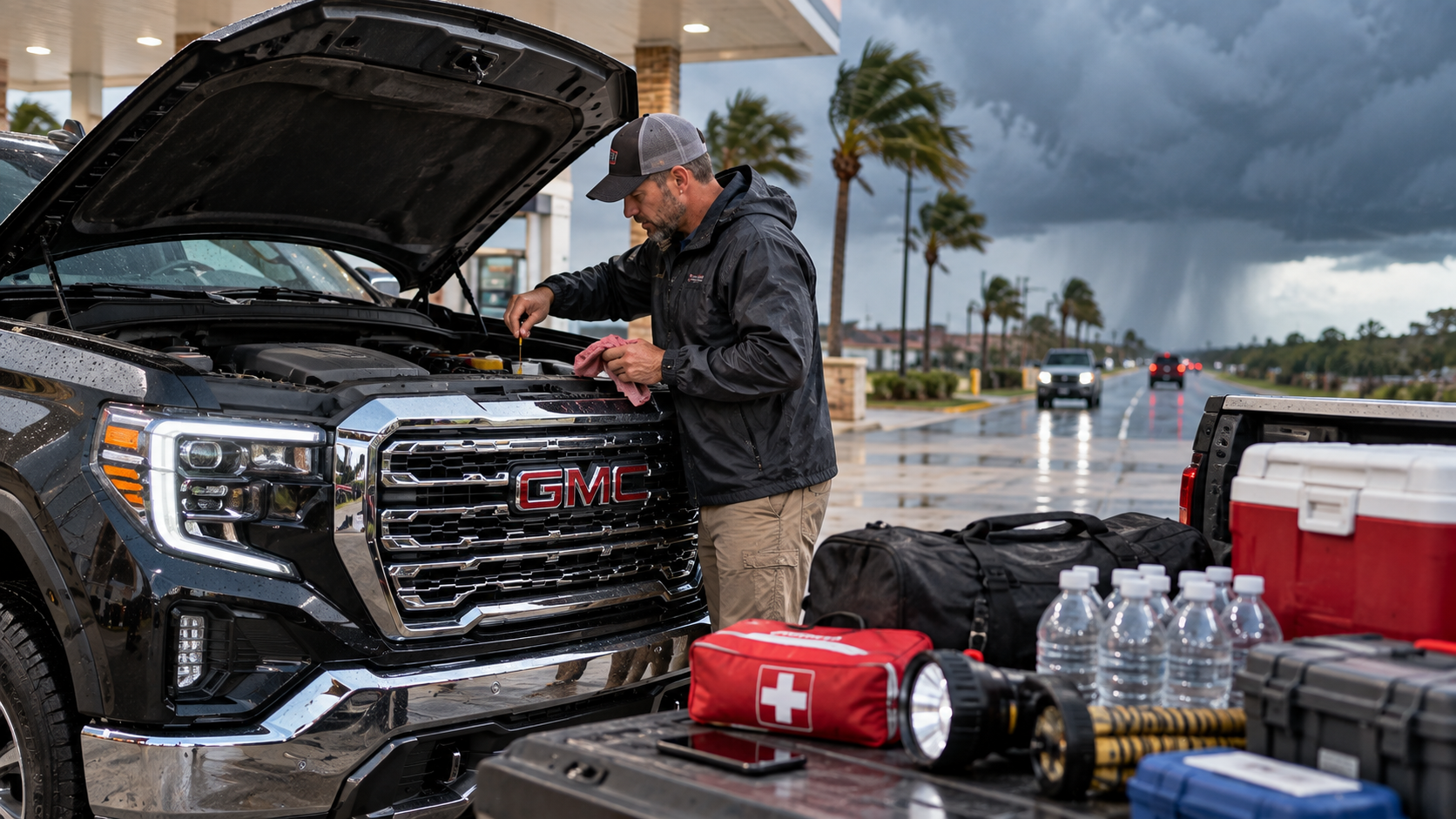
A GMC maintenance schedule can give Louisiana drivers a useful starting point before hurricane travel or evacuation becomes necessary. Storm preparation should begin before rain, traffic, and urgent departure plans arrive. Therefore, checking key service items early can reduce surprises when your truck or SUV needs to leave quickly. Battery health, tire tread, brakes, wipers, fluids, and fuel all deserve attention before severe weather moves closer. Check the Battery Before Storm Travel Your battery deserves an early check because evacuation plans can depend on one clean start. However, a truck may start normally today while still carrying a weak battery. Therefore, a proper test offers more information than a quick visual check alone. Inspect the battery case, terminals, and nearby cables before storm season. Look for corrosion, loose connections, cracks, or signs of leakage. Additionally, ask for a battery test if the battery is older or has shown slow cranking. Heat can also shorten battery life, which matters during Louisiana summers. Before a storm, review these battery and electrical items: Check the battery terminals for corrosion and secure connections. Ask for battery testing if starting has become slower or less consistent. Confirm that charging cables, phone chargers, and portable power banks are ready. A battery check supports more than starting the engine. It also supports lights, charging, and other electrical needs during a long trip. Therefore, completing the check before evacuation traffic begins gives you more time to correct a problem. Inspect Tires, Brakes, and Wipers for Heavy Rain Wet roads place extra attention on traction, stopping, and visibility. Tire pressure alone does not tell the whole story. Additionally, tread depth, uneven wear, sidewall damage, and age should be reviewed before storm travel. Start by checking all four tires when they are cold. Compare the pressure with the specification listed for your GMC. Additionally, inspect tread across the full width of each tire. Uneven wear may point to another service need that deserves attention before a long drive. Brakes deserve the same review. Listen for grinding, squealing, or other unusual sounds during normal stops. However, sound alone does not confirm brake health. A service inspection can check pads, rotors, fluid, and related parts. Wiper blades are just as important during intense rain. Replace blades that streak, skip, chatter, or leave large areas uncleared. In addition, fill the washer reservoir and test the spray pattern before you leave. These checks matter because heavy rain can reduce how much time you have to react. Therefore, good tread, clear glass, and responsive brakes support safer travel. Prepare for a Longer Evacuation Drive A GMC maintenance schedule should also guide the service items that may already be due. An evacuation can add hours of driving in heat and traffic. Therefore, overdue maintenance deserves attention before a storm is close. Check the oil life reading and compare current mileage with the service schedule. Additionally, review coolant, brake fluid, and other listed fluids for your model. Your Owner's Manual gives the correct schedule and specifications for your GMC. Fuel planning also matters. Do not wait until evacuation traffic begins to think about filling the tank. Instead, keep enough fuel available to leave without an immediate stop. Gas stations may become crowded, and some may lose power during severe weather. Before leaving, review these final travel items: Confirm oil life, fluid levels, fuel, tire pressure, and washer fluid. Pack charging cables, water, food, medication, flashlights, and a first aid kit. Save your primary route and an alternate route before cellular service becomes limited. In addition, keep registration, insurance information, and emergency contacts easy to reach. A little preparation can shorten the list of decisions you must make later. Build a GMC Hurricane Kit for the Road A hurricane kit inside your truck or SUV should focus on time spent away from home. The goal is to cover basic needs during traffic, delays, or a longer evacuation route. Water and nonperishable food should be easy to reach. Additionally, keep needed medication in a secure place that stays with you. Flashlights, charging cords, portable battery packs, and a basic first aid kit can support travel when power is limited. In addition, children, older relatives, and pets can each add specific needs. Therefore, pack those supplies before a watch or warning creates a rush. Keep the kit organized so important items are easy to find. Avoid burying medication or charging gear under luggage. Moreover, secure heavier objects so they do not move through the cabin during a sudden stop. Never Treat Floodwater as a Truck Test Can a GMC truck or SUV drive through floodwater? No truck or SUV should be used to test whether a flooded road is safe. Moving water can push a large pickup away, and standing water can hide severe road damage. A taller ride height does not make an unknown flooded road safe. Water can cover washed out pavement, debris, sharp objects, or missing road edges. Therefore, turning around is the safer choice when water covers the roadway. If flooding blocks your planned route, use official flood safety guidance and choose another path. Do not follow another driver into the water as proof that crossing is safe. In addition, never drive around barricades placed across flooded roads. Storm preparation works best before the forecast creates urgency. Review your GMC maintenance schedule, inspect key service items, and pack your supplies early. Then, keep fuel available and know where you will go if evacuation becomes necessary. Ross Downing GMC of Gonzales can also inspect your GMC before hurricane travel. Early preparation gives you more options when the weather changes quickly.

GMC Sierra vs Silverado Comparison for Truck Shoppers

GMC Sierra vs Silverado Comparison for Truck Shoppers

GMC Sierra vs Silverado comparisons start with two trucks that share major GM engineering. However, their trims and equipment take different paths. Both offer strong engine choices, useful trailering hardware, and a wide range of cab and bed setups. However, the details change as you move through each lineup. Therefore, the clearest way to compare them is to look at shared hardware first. Then, compare trims, cabin materials, off road equipment, and cargo features. Start With What the Sierra and Silverado Share The Sierra 1500 and Silverado 1500 share core GM truck engineering. That includes overlapping engine choices and related transmission pairings. So, are they the same truck? No. They start from a similar mechanical base, but each brand packages that hardware differently. In addition, both lineups can offer turbocharged gasoline, V8 gasoline, and Duramax diesel power. Both trucks can be configured for towing, work, commuting, and long highway trips. Moreover, their cab and bed choices overlap in several areas. Before comparing trim names, it helps to confirm the shared pieces: Both trucks can offer a 2.7 liter turbocharged gasoline engine, V8 choices, and a 3.0 liter Duramax diesel. Both lineups include rear wheel drive and four wheel drive configurations across multiple trims. Both trucks offer trailering technology, camera views, and bed focused equipment on selected trims. Still, the trims do not line up perfectly. Therefore, two trucks with the same engine can feel very different inside. Equipment packages, materials, suspension hardware, and exterior details can change the final result. Trim Structure Creates the First Major Difference By contrast, GMC and Chevrolet use different trim ladders. That matters because trim names can make direct comparisons confusing. For this reason, a Sierra Elevation does not have a perfect Silverado twin. Likewise, upper trims can overlap in price while taking different styling and equipment paths. GMC moves from Pro through SLE, Elevation, SLT, AT4, AT4X, Denali, and Denali Ultimate. Chevrolet uses names such as WT, Custom, LT, RST, LTZ, Trail Boss, ZR2, and High Country. What should you compare first? Start with the job you want the truck to handle. Then, compare equipment inside that use case. For GMC shoppers, these trim directions are useful: Pro and SLE focus on straightforward truck equipment with increasing comfort and convenience. Elevation adds a distinct street oriented look with more standard interior and technology content. AT4 and AT4X move toward off road hardware, while Denali trims focus on materials, comfort, and technology. Chevrolet follows a different structure. Therefore, the strongest comparison is not trim name against trim name. It is equipment package against equipment package. Denali and High Country Take Different Approaches Meanwhile, Denali and High Country sit near the top of their lineups. Both add richer cabin materials and more standard features. However, GMC pushes the Denali identity through its own interior finishes, seat configurations, and exterior details. Is Denali simply a different looking High Country? No. The two trims share some GM technology, but their cabin treatments and standard content differ. Sierra Denali uses its own leather treatments and trim details. Denali Ultimate moves further with upgraded front seating and massage functions. In addition, High Country delivers an upscale cabin. However, Chevrolet uses its own materials, trim patterns, and feature packaging. Super Cruise can also appear on selected versions of both trucks. Therefore, it should not be treated as a GMC only feature. The better comparison is to ask what matters inside the cabin. Seat adjustment range, material feel, display layout, audio equipment, and driver assistance features can all shape the final choice. AT4 and AT4X Change the Off Road Comparison Instead, GMC uses AT4 and AT4X to create a distinct off road path within the Sierra lineup. These trims add mechanical hardware that changes how the truck handles rough ground. What does AT4 change beyond appearance? It adds equipment tied directly to trail use. That includes a factory lift, off road tuned shocks, skid plates, and a two speed transfer case. These parts change ground clearance and traction support before cosmetic details enter the decision. Beyond that, AT4X goes further. It adds front and rear electronic locking differentials and Multimatic DSSV dampers. Therefore, it is built around more demanding terrain than a standard street focused trim. Chevrolet follows a parallel path with Trail Boss and ZR2 trims. However, the hardware mix and trim structure are not identical. For that reason, compare suspension parts, locking hardware, tires, and underbody protection before comparing badges. Choose Based on Equipment Instead of the Badge The Sierra and Silverado share enough hardware that brand alone should not decide the truck. Instead, compare the equipment that shapes how you plan to use it. Therefore, start with engine choice and towing needs. Then, compare cabin materials, off road hardware, cargo tools, and technology. In addition, review which features are standard and which require packages. Before choosing, compare these areas: Engine and drivetrain choices that match your towing, commuting, or work needs. Cabin materials, seating, displays, and driver assistance features on the trims you are considering. Cargo features, tailgate design, bed materials, suspension hardware, and off road equipment. In addition, GMC offers Sierra specific options such as the available CarbonPro bed. Chevrolet offers its own related cargo and tailgate features. Therefore, small equipment differences can matter more than the badge on the grille. With that in mind, build a side by side comparison around matching configurations. Use the same engine class, similar cab and bed setups, and similar trim goals. Then, compare price and included equipment. That process gives you a cleaner view of what each truck offers for your needs. Explore current GMC inventory at Ross Downing GMC of Gonzales to compare available Sierra configurations and equipment.

GMC Extended Warranty Options for Sierra Truck Owners

GMC Extended Warranty Options for Sierra Truck Owners

A GMC extended warranty can make sense when you plan to keep your Sierra beyond its factory coverage. The key is knowing what already comes with the truck. In addition, you need to know what an added plan covers. Towing, business use, mileage, and repair costs can all shape that decision. Therefore, a clear review now can prevent paying for duplicate protection later. Start With the Sierra Coverage You Already Have Every new Sierra begins with factory limited warranty coverage. GMC lists bumper to bumper coverage for three years or 36,000 miles. That warranty pays for covered repairs tied to defects in materials or workmanship. In addition, it includes towing to an authorized dealer for covered warranty repairs. Powertrain coverage lasts longer than bumper to bumper coverage on many Sierra trucks. However, GMC notes that exact powertrain terms can vary by vehicle. For this reason, that detail matters before you add a GMC extended warranty. Your first question should be simple: what coverage remains on this specific Sierra today? The answer comes from the warranty booklet, vehicle records, and dealer documentation. Before comparing added plans, verify these items: Confirm the in service date, current mileage, and remaining factory coverage for the Sierra. Additionally, review the exact powertrain term listed for the truck. Some configurations carry different mileage limits. Beyond that, check for separate coverage on emissions parts, corrosion, tires, or other listed components. This review creates a clean starting point. Therefore, it shows where factory protection ends and where added protection could begin. In addition, it reduces the chance of paying for coverage that overlaps an active factory warranty. What a GMC Protection Plan Adds A GMC extended warranty is commonly discussed alongside the GMC Protection Plan. GMC offers Powertrain, Silver, and Platinum plan levels. Each level covers a different set of listed parts. Additionally, terms and deductibles vary by contract. Powertrain coverage centers on major drivetrain parts. In addition, it includes listed engine, transmission, drive axle, and hybrid or electric components. Silver includes those areas, then adds several chassis and electrical groups. Moreover, Platinum adds a wider list that reaches into more electronic and technology related parts. The main coverage groups break down this way: Powertrain focuses on listed engine, transmission, drive axle, and hybrid or electric components. Silver adds listed suspension, climate control, electrical, steering, and brake components. Beyond that, Platinum adds more listed technology, audio, navigation, parking assist, and display components. Which GMC extended warranty level makes sense for a Sierra? Therefore, start with the parts you want protected after factory coverage ends. A driver focused on major drivetrain repairs may look closely at Powertrain. Someone keeping a truck longer may want broader component coverage. In addition, the contract should show covered parts, term, mileage limit, deductible, and exclusions. Towing and Work Use Need Extra Review Sierra trucks are frequently purchased for towing, hauling, jobsite travel, and business tasks. Those uses deserve a closer contract review. However, added coverage does not mean every repair tied to every form of truck use receives payment. Does towing cancel GMC Sierra warranty coverage? Towing by itself does not create one universal answer. Factory warranty terms and service contract terms address different forms of coverage. In addition, GMC Protection Plan contract language references towing equipment requirements. A truck used for towing should have the correct factory or authorized equipment for its setup. Work use requires another check. GMC Protection Plan contract language separates permitted use from certain commercial applications. Optional light duty commercial coverage may be required for eligible business use. Therefore, the contract and registration page should show whether that option was selected. Before adding coverage to a working Sierra, ask: Is the truck equipped with the correct tow package for the trailer and load you plan to pull? Will the truck be used for paid business activity, fleet duty, delivery work, or another commercial purpose? Does the selected contract include any required commercial use option, surcharge, or exclusion? These questions matter because the truck's role can change the contract review. By contrast, weekend towing may present a different contract scenario than daily business work. Compare Cost With the Repairs You Want Covered Is a GMC extended warranty worth adding to your Sierra? The answer rests on the contract price and your plans for the truck. Start with how long you expect to keep it. With that in mind, compare that timeline with factory coverage and the added plan term. Mileage deserves equal attention. As a result, a high annual mileage total may reach a contract limit before the time limit. Another driver may own the truck for years while adding fewer miles. Therefore, the contract ends according to the terms written into that plan. Next, compare the deductible with your repair budget. Therefore, a lower deductible can reduce what you pay during a covered repair. However, the plan price may differ. Still, a higher deductible can shift more of each covered repair cost back to you. Also review the component list closely. Therefore, broader coverage makes more sense when added component groups match what you want protected. If your concern centers only on major drivetrain parts, a narrower plan deserves review. By contrast, broader coverage may deserve attention when electrical and technology repairs concern you. Ask the Right Questions Before You Add Coverage A GMC extended warranty should be reviewed like any other vehicle contract. The details matter more than the plan name alone. Therefore, before signing, read the agreement and ask the finance team to explain unclear language. Start with the coverage start date. In addition, GMC states that Protection Plan terms begin from the contract purchase date and mileage. Contract terms can modify that timing. Therefore, active factory warranty coverage may overlap with part of the plan term. Ask how that overlap works for the plan you are considering. Then confirm the term, mileage limit, deductible, covered parts, exclusions, and cancellation terms. Ask how claims are handled and where covered repairs can be completed. In addition, review towing and work clauses before purchase when either applies to your Sierra. Beyond that, compare the plan against your own repair savings. Some drivers prefer a fixed contract cost. By contrast, others prefer to set money aside for future repairs. Neither path fits every Sierra owner. Ross Downing GMC of Gonzales can also review your truck's current warranty status and service history. Therefore, that information gives you a stronger base for comparing added protection. If you are considering a new GMC Sierra 1500, review the plan alongside your mileage goals and towing needs. Also consider the years you expect to keep the truck. For this reason, a careful comparison makes the GMC extended warranty decision easier to understand before you sign. For maintenance or repair questions, visit the Ross Downing GMC of Gonzales Service Department.